
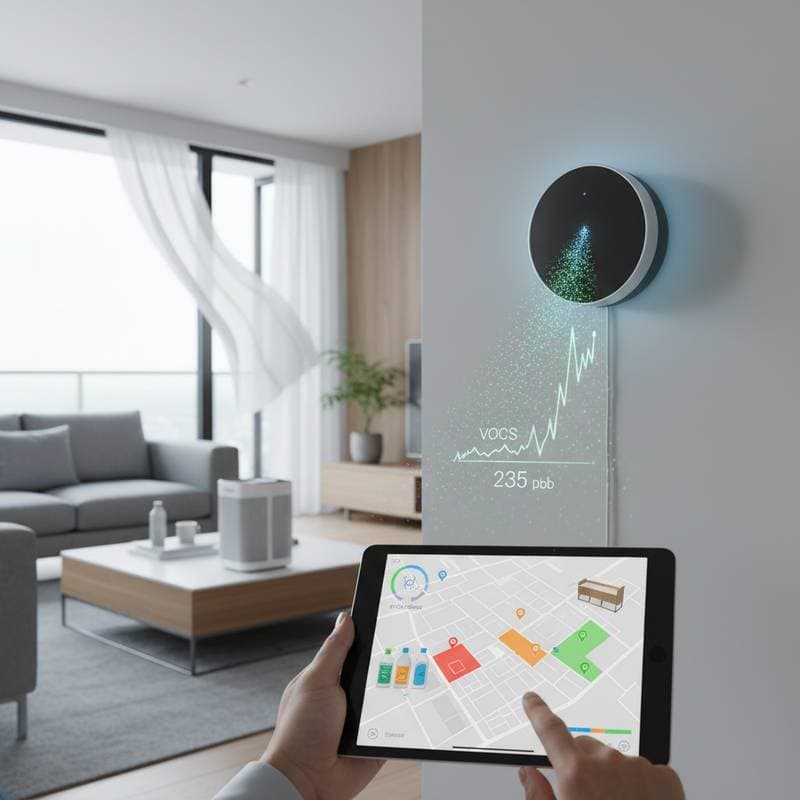
Smart Sensors Uncover Hidden VOCs in Indoor Environments
Volatile organic compounds, or VOCs, permeate the air in typical households without visible signs or distinct odors. These compounds emanate from sources such as newly applied paint, aerosol cleaners, adhesives, furniture coatings, and burning candles. Although exposure levels appear minimal, prolonged contact may lead to symptoms including headaches, drowsiness, and breathing difficulties. Fortunately, advanced smart sensors provide tools to detect and mitigate these contaminants effectively.
The Hidden Impact of VOCs on Daily Life
Daily activities introduce VOCs through various channels. Unpacking a new mattress, operating gas stoves, or using nail polish releases persistent vapors. In modern, airtight residences designed for energy efficiency, these substances tend to concentrate rather than dissipate. While air purification units offer general filtration, they fail to specify airborne contents or origins. Smart VOC sensors address this gap by converting abstract measurements into practical insights.
These devices monitor air quality around the clock, capturing fluctuations triggered by activities like applying household sprays or igniting aromatic items. Integration with smartphones or central home systems simplifies data presentation through intuitive visuals such as color indicators or trend charts. Users gain visibility into precise moments and locations of pollutant surges, facilitating targeted adjustments to routines or airflow management.
The Technology Behind Smart VOC Detection
Most smart VOC sensors employ either metal oxide semiconductor technology or photoionization detection methods to analyze atmospheric elements. Interaction between VOC molecules and the sensor alters electrical properties, generating quantifiable signals. The system then evaluates these against established safety thresholds to deliver immediate alerts.
Devices such as the Awair Element or IKEA Vindstyrka often incorporate monitoring for temperature, humidity, and carbon dioxide alongside VOC levels. This comprehensive tracking reveals environmental interdependencies; elevated moisture, for instance, may exacerbate pollutant retention, whereas stagnant air promotes accumulation. Detection of increasing concentrations prompts specific interventions, such as activating windows or exhaust systems, transforming responses from intuitive to evidence-based.
Identifying Primary VOC Sources in Residences
Understanding emission origins forms the foundation for effective reduction. Common contributors encompass:
- Paints and varnishes: Even formulations marketed as low-odor continue releasing vapors over extended periods.
- Composite wood products: Formaldehyde from glues in particleboard and medium-density fiberboard proves persistent.
- Household cleaners: Solvents in disinfectants, fragrances, and degreasers elevate indoor levels.
- Treated fabrics: Stain-resistant carpets, drapes, and linens release compounds during use.
- Cosmetic products: Fragrances, styling aids, and polishes add to the atmospheric load.
Smart sensors enable empirical verification of these sources. A noticeable elevation following product application or furniture introduction supplies evidence for selecting greener substitutes.
Actionable Strategies to Minimize VOC Exposure
Armed with sensor data, individuals can implement straightforward measures for substantial improvements:
-
Optimize ventilation practices. Allow fresh air circulation for a minimum of ten minutes following tasks involving cleaners, paints, or meal preparation.
-
Select eco-friendly alternatives. Prioritize water-based paints and cleaners certified as low- or zero-VOC.
-
Incorporate greenery judiciously. Houseplants enhance aesthetics but offer limited purification; pair them with mechanical ventilation rather than relying solely on them.
-
Secure storage solutions. Keep paints, solvents, and similar items in external or airtight enclosures to prevent unintended release.
-
Regulate moisture levels. Maintain indoor humidity at 40 to 50 percent to curb accelerated off-gassing.
Sensor-guided adjustments foster continuous refinement. Patterns emerge over time, allowing preemptive measures to prevent escalation of poor air quality.
Selecting an Optimal Smart Sensor
Sensor selection hinges on residential layout and usage patterns. Compact units suffice for apartments, positioned near activity hubs like kitchens or lounges. Expansive properties require multiple placements in frequented areas. Prioritize features including user-friendly displays, app connectivity, and compatibility with automated systems like thermostats or purifiers. Certain models trigger automatic responses, such as fan activation, upon detecting thresholds.
Integrating Sensor Insights into Everyday Routines
Incorporating a sensor establishes a seamless monitoring habit. Users observe recurring trends, such as elevations from fragrance diffusers or improvements via exterior access. These revelations influence decisions, from adopting non-toxic paints to favoring untreated wood over engineered materials.
Beyond mere data collection, smart sensors bridge personal actions and ambient conditions. This dynamic interplay sustains healthier spaces, regardless of dwelling size. Awareness of inhaled air quality equips residents to sustain wellness through deliberate, informed choices.