
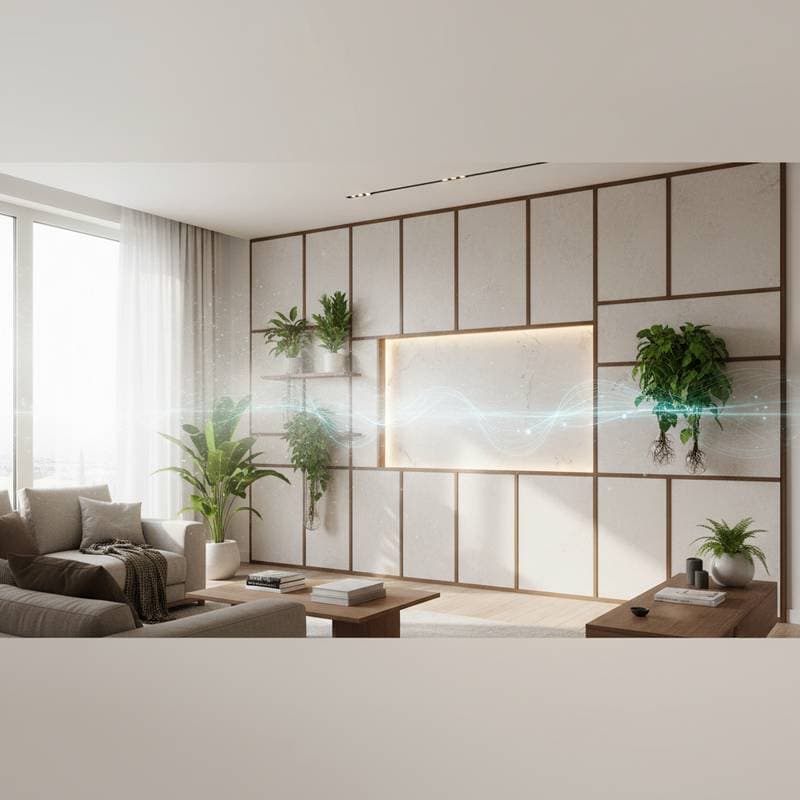
Breathable Walls Boost Oxygen and Indoor Wellness
Breathe easier at home by learning how breathable wall systems support fresh air and balanced humidity. You will see how these walls work and what they mean for comfort and health. Today you will learn how breathable materials and oxygen panels can help you create a more natural indoor climate. Avoid applying these methods to walls that already show mold or moisture damage.
What To Know
Breathable walls let air and water vapor pass through the surface slowly. This exchange supports steady humidity, prevents trapped moisture, and helps indoor air feel fresher. The key is balance. You want movement without drafts or leaks. Always fix structural or water issues before adjusting wall materials.
Tools and Materials
- Natural mineral or clay-based plaster
- Lime paint or mineral paint
- Oxygen panels or breathable wall panels
- Trowel or roller
- Hygrometer for humidity monitoring
- Dust mask and gloves for safety
If you cannot find oxygen panels, use a breathable mineral finish approved for wall interiors. Avoid vinyl or acrylic coatings that seal the surface.
Step By Step
1. Check wall condition
Inspect for cracks, damp patches, or mold. Address these first. Breathable systems cannot correct existing water leaks or structural gaps.
2. Clean and dry the surface
Use a mild soap and water mix to remove dust and grease. Let the wall dry fully. Moisture left behind can block the diffusion process.
3. Apply breathable base coat
Spread a thin layer of clay or lime plaster. Keep it even at about one-eighth inch thick. These natural compounds regulate humidity by absorbing and releasing water vapor.
4. Add oxygen or mineral panels
Mount the panels according to the maker’s instructions. Leave small gaps for airflow if required. Environmental designer Nina Hart, founder of Airwise Interiors, said, "Panels that allow controlled vapor transfer help rooms breathe while holding stable temperatures."
5. Seal with mineral or lime paint
Use a breathable paint finish. Apply two light coats rather than one thick layer. Let each coat dry thoroughly before applying the next.
6. Test humidity
After installation, measure room humidity. Ideal indoor levels stay between 40 and 60 percent. Adjust ventilation or dehumidifiers as needed.
7. Maintain airflow
Keep vents and windows clear. Open windows briefly each day to refresh air without losing too much heat.
8. Observe oxygen panels over time
If you use oxygen panels, watch their color indicators or sensors if included. Replace or refresh them as directed to maintain performance.
Dos and Don’ts
Dos
- Use natural or mineral materials that let vapor move.
- Keep indoor humidity balanced to prevent condensation.
- Test small sections before treating large walls.
- Follow panel directions exactly to maintain warranty and safety.
Don’ts
- Do not cover breathable surfaces with plastic paint or vinyl wallpaper.
- Do not install panels on wet or moldy walls.
- Do not skip drying times between layers.
- Do not drill or puncture panels after installation.
When To Call A Pro
Hire a professional if you suspect hidden leaks, damaged insulation, or unsealed hardwood behind the wall. A building specialist can test wall permeability and moisture levels. They can also confirm that breathable coatings will not weaken structural finishes or void warranties.
Cost and Time Snapshot
Expect material costs between low and moderate ranges, depending on wall size and panel type. Natural plasters and paints are affordable, while oxygen panels add cost but improve performance. A single room project usually takes one to three days of active work plus drying time. Price varies with surface condition, panel brand, and labor rates.
Maintenance or Upkeep
- Check humidity each season.
- Wipe panels gently with a dry cloth to remove dust.
- Recoat mineral paint every few years or when color fades.
- Replace oxygen panels per manufacturer guidance.
- Watch for peeling or damp spots as signs to refresh the system.
Pro Tips for Success
Architectural engineer Leo Mason of Green Build Studio explains that breathable wall systems work best as part of a whole-home strategy. “They help regulate air exchange, but they still need proper insulation, ventilation, and moisture control,” he said. Pair breathable walls with steady airflow and moderate indoor plants for a cleaner, calmer atmosphere.
Living with Your Design
Once installed, breathable walls often feel subtle at first. Over time you may notice fewer odors, more stable humidity, and gentler warmth. The goal is not to see a dramatic change overnight but to create steady comfort that supports wellness. Keep materials natural, watch humidity, and your walls will quietly help you breathe better every day.