
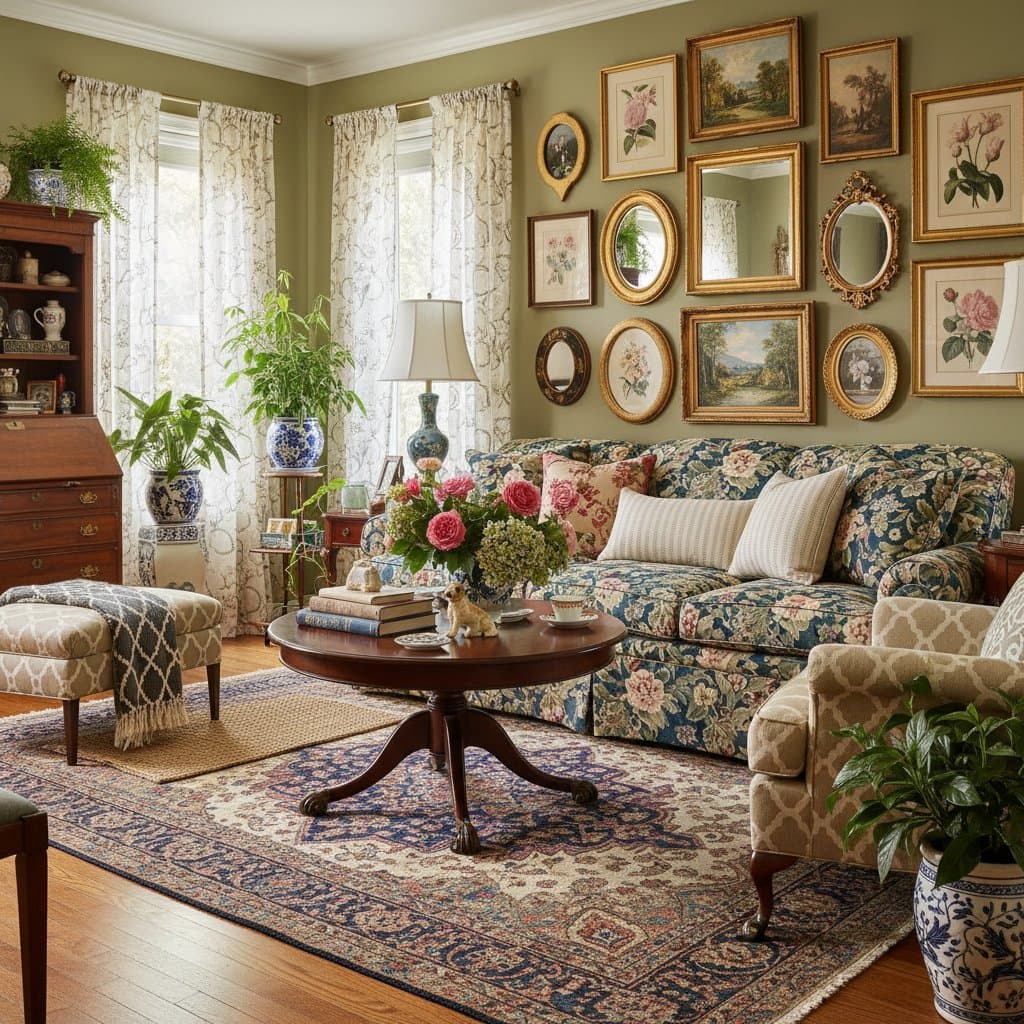
Gen Z and the Rise of Grandmillennial Design
The grandmillennial style has evolved from a simple nod to the past into a vibrant movement among Gen Z. This generation, shaped by digital connectivity, now seeks refuge from impersonal minimalism by embracing elements that evoke comfort and legacy. Items such as lace-edged tablecloths, floral wallpaper, and ornate picture frames appear in urban dwellings and online feeds. The appeal centers on emotional resonance rather than strict guidelines, offering a counterpoint to the rapid pace of modern life.
The Relevance of Grandmillennial Design Today
Young adults entering the housing market use interior design to express identity while prioritizing ease alongside visual appeal. Grandmillennial interiors value subtle flaws, accumulated layers, and emotional ties. The style draws from history yet remains anchored in the now. Minimalism focuses on subtraction, but grandmillennial design emphasizes elements that spark delight, like a patterned quilt evoking family gatherings or a restored wooden trunk serving as both storage and keepsake.
Adaptability defines its charm. Homeowners blend periods, hues, and materials to craft unique atmospheres. Pair a heirloom quilt with sleek metal accents, or position antique candlesticks near abstract prints. Such arrangements convey narratives through gradual acquisition rather than polished arrangement.
Key Elements of the Grandmillennial Aesthetic
Grandmillennial design fuses classic motifs with fresh interpretations. Essential features include:
- Expressive patterns: Chintz fabrics, toile prints, or plaid linens combined with vibrant ikat throws or woven runners.
- Textural depth: Silk pillows alongside woven baskets, beaded fringes on shades paired with polished wood surfaces.
- Timeless forms: Tufted ottomans, curved settees, and turned-leg consoles.
- Artisanal touches: Quilted throws, hand-glazed pottery, and stenciled furniture.
- Bold yet balanced colors: Lavender paired with emerald, ivory accented by mustard, or teal softened by cream.
Interior expert Maria Lopez observes, "Grandmillennial style resonates because it encourages blending beloved items freely, beyond any predefined template."
Gen Z's Fresh Take on Heritage
Many in Gen Z build collections anew, without family heirlooms to draw upon. Their method involves trial and thrift, targeting affordability. Scour flea markets, auctions, and digital platforms for standout pieces. Transform a modest gingham curtain into a room focal point by layering it over neutral walls and contemporary shelves.
Contrast elevates the ordinary. A pleated valence refreshes against streamlined linens. An assortment of varied saucers gains purpose on floating ledges. These pairings highlight resourcefulness and personal flair. Sustainability underpins the choice, as reviving old items reduces waste and infuses spaces with authentic patina.
Merging Vintage with Contemporary
Effective grandmillennial rooms harmonize retro details with current functionality. Overloading patterns risks clutter in tight quarters, yet one embroidered ottoman next to a simple bench achieves equilibrium. Illumination enhances the mood. Opt for frosted globe fixtures or gathered linen shades to diffuse stark fluorescents and introduce subtle elegance.
Natural floors, such as wide-plank pine or sisal mats, anchor elaborate accents. Textured panels or temporary murals add heritage without commitment. Renters succeed with portable additions: washable throws, rod-hung panels, and leaning canvases.
Affordable Entry Points into the Style
- Incorporate fabrics strategically. Exchange basic pillows for ones in damask or botanical motifs. Select two patterns sharing a dominant shade for unity.
- Enhance illumination. Fit a gathered silk shade over an existing base or install a petite beaded fixture for subtle gleam.
- Curate dining displays. Merge antique porcelain with streamlined utensils. Include woven placemats in complementary motifs.
- Showcase groupings. Arrange porcelain, volumes, or vases on exposed racks to highlight rather than conceal.
- Apply color thoughtfully. Shades like Benjamin Moore's Gray Owl or Farrow & Ball's Skimming Stone complement heirloom forms without overwhelming.
Proceed incrementally to source fitting items economically. Focus on gradual refinement over abrupt overhaul.
The Comfort Derived from Nostalgic Design
Amid flux, heritage-inspired interiors provide stability. Grandmillennial elements promote plushness, sensory engagement, and recognition. Spaces emerge as inhabited havens, not showroom replicas. Reclining on a tapestry-upholstered bench with a saucer from a bygone era fosters a sense of continuity.
This bond ensures longevity. Individuals seek residences imbued with significance beyond surface appeal. Simple acts, such as framing a salvaged sampler or opting for ruffled panels over stark shades, humanize environments profoundly.
Incorporating Grandmillennial Touches
Begin with a single classic piece to guide the scheme. A botanical settee might dictate a scheme of sage and rose. A bamboo console could prompt additions in organic weaves. Consider proportions: opt for finer motifs and paler tones in modest areas to preserve openness.
Select bulbs at 2700K for inviting radiance that suits aged finishes. Integrate adjustable switches or clustered fixtures to temper glare. For leased properties, employ tension rods and repositionable decals for adaptability sans residue.
When funds limit options, target fabrics and lights for impact. These yield swift shifts affordably. Delay coatings if necessary; a fringed throw or linen panel alters ambiance immediately.
Sustaining the Grandmillennial Lifestyle
Grandmillennial design thrives in practicality. It accommodates use through resilient covers, concealing weaves, and durable relics outperforming assembly kits. The fusion of eras prevents stagnation, inviting ongoing adjustments and discoveries.
Building collections methodically enhances satisfaction. Additions, from market-sourced sconces to refinished cabinets, weave personal history. Homes evolve into intimate retreats, rooted in solace and textured with narrative.