
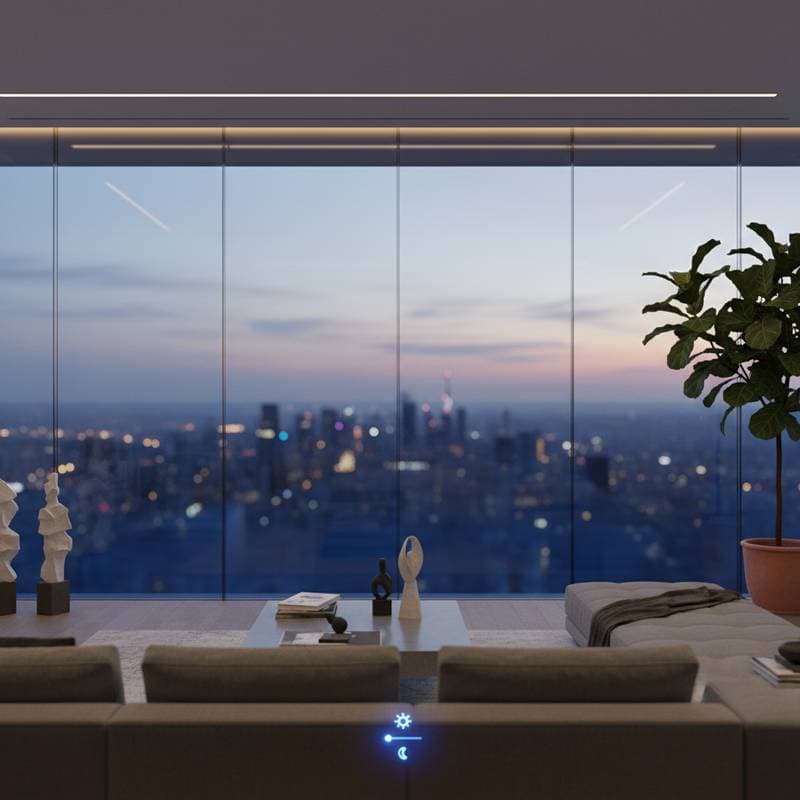
Upgrade to Electrochromic Glass for Effortless Light Control
Morning sunlight overwhelms the living room, turning every task into a squint-filled struggle. Afternoon rays turn kitchens into saunas, demanding constant adjustments to outdated coverings. Traditional blinds and curtains offer relief, yet they obstruct views, accumulate dust, and clash with modern interiors. Electrochromic glass provides a superior solution, tinting windows on demand through a simple electrical charge. This innovation delivers precise light management, energy efficiency, and a seamless aesthetic that integrates into any home.
The Advantages of Electrochromic Glass
Electrochromic glass, commonly known as smart glass, alters its opacity when exposed to a low-voltage current. This adjustment regulates incoming light and heat, allowing residents to customize their environment with precision. In contrast to mechanical blinds, the surface remains flat and unobtrusive, transitioning smoothly from transparent to tinted states.
Homeowners benefit from reduced glare and enhanced privacy without sacrificing natural views. The technology supports sustainability by minimizing energy consumption for heating and cooling. Suitable for urban apartments, suburban residences, or temporary rentals, it simplifies light control and elevates daily comfort.
Challenges with Conventional Window Coverings
Blinds and curtains remain popular due to their availability and low initial cost. However, they introduce several drawbacks. Fabrics discolor over time, cords become knotted, and dust accumulates on slats, requiring frequent maintenance.
Venetian blinds shift noisily in drafts, while heavy drapes create a sense of enclosure in spacious rooms. A Portland resident shared, “I loved my big windows until summer came. The glare was brutal, and my plants started to wilt. I was constantly adjusting the blinds just to stay comfortable.” Such routines interrupt the tranquility of a thoughtfully designed space.
These coverings also impact thermal performance. Unfiltered sunlight elevates indoor heat, straining cooling systems in summer. In colder months, drawn shades prevent passive solar warming, perpetuating an inefficient cycle of adjustments.
Key Features of Electrochromic Glass
Tint and Material Variations
Panels of electrochromic glass offer multiple opacity levels, ranging from fully clear to dense shades like gray or bronze. Companies such as View Inc. and SageGlass enable selective zoning, where sections of a window tint independently. This capability suits expansive picture windows or overhead skylights, allowing tailored light distribution.
Integration and Operation
Systems connect to smart home platforms or smartphone applications for convenient access. Manual overrides via wall panels complement automated sensors that respond to sunlight levels. For those avoiding permanent installations, retrofit films from providers like Halio adhere to existing panes, powered by minimal voltage.
Performance and Sustainability
Tinted states block up to 98 percent of visible light and substantially curb solar heat gain. Consequently, air conditioning demands decrease in warm weather, and temperatures stabilize throughout the year. These efficiencies often recoup initial investments through lower utility expenses.
Upkeep Requirements
Maintenance involves only standard glass cleaning with a mild solution and soft cloth. The absence of moving parts or textiles prevents dust accumulation, ensuring long-term clarity and hygiene.
Cost-Effective Options
Individuals hesitant about full replacements can opt for adhesive smart films. These apply directly to current windows and activate via simple wiring. Although less integrated than factory-installed panels, they provide comparable tinting and seclusion at reduced expense.
Architectural and Aesthetic Benefits
Professionals in architecture and interior design value electrochromic glass for maintaining structural purity. Expansive glazing stays free of hardware, highlighting a building's form. In heritage properties, it introduces advanced functionality discreetly. Minimalist environments gain from its unobtrusive presence, enhancing spatial flow.
Interior designer Maria Torres observes, “What I love is how it changes the quality of light, not just the amount. The tint softens edges and gives surfaces a gentle glow. It turns harsh sunlight into something sculptural.” This nuanced effect proves ideal for open layouts requiring uniform illumination.
Tailoring to Specific Environments
Compact Urban Dwellings
Adhesive films suit lease-bound apartments, applying easily to patio sliders or sleeping areas. They deliver on-demand seclusion while permitting ambient daylight.
Multi-Room Family Residences
Whole-home setups, operable by voice commands or remote access, manage diverse zones. Caregivers adjust settings in playrooms from afar, safeguarding interiors from ultraviolet exposure.
Remote Work Areas
The technology mitigates screen reflections without dimming the entire space. Workstations remain inviting and illuminated, fostering sustained focus.
Private Zones like Restrooms
Switchable variants shift from clear to frosted instantly. They surpass static etched glass, offering versatile opacity on command.
Steps to Implement Electrochromic Glass
Assess windows prone to excessive light or heat, particularly those oriented south or west. Obtain precise measurements and solicit estimates from qualified specialists. Inquire about operational interfaces, anticipated energy reductions, and coverage terms.
Trial the concept with a single pane or detachable film to gauge its impact. Over weeks of use, the enhancements in usability and ambiance become evident.
Complement the installation with organic elements such as timber flooring, soft textiles, and subdued palettes to soften the light's diffusion. For bolder expressions, incorporate sleek surfaces like honed stone or dark accents to accentuate the glass's precision.
Realizing Enhanced Home Comfort
Electrochromic glass redefines interaction with natural light, blending innovation with practicality. It eliminates the hassles of traditional methods, promoting a harmonious living environment. Residents enjoy sustained views, optimal temperatures, and effortless privacy, transforming ordinary spaces into refined retreats.