
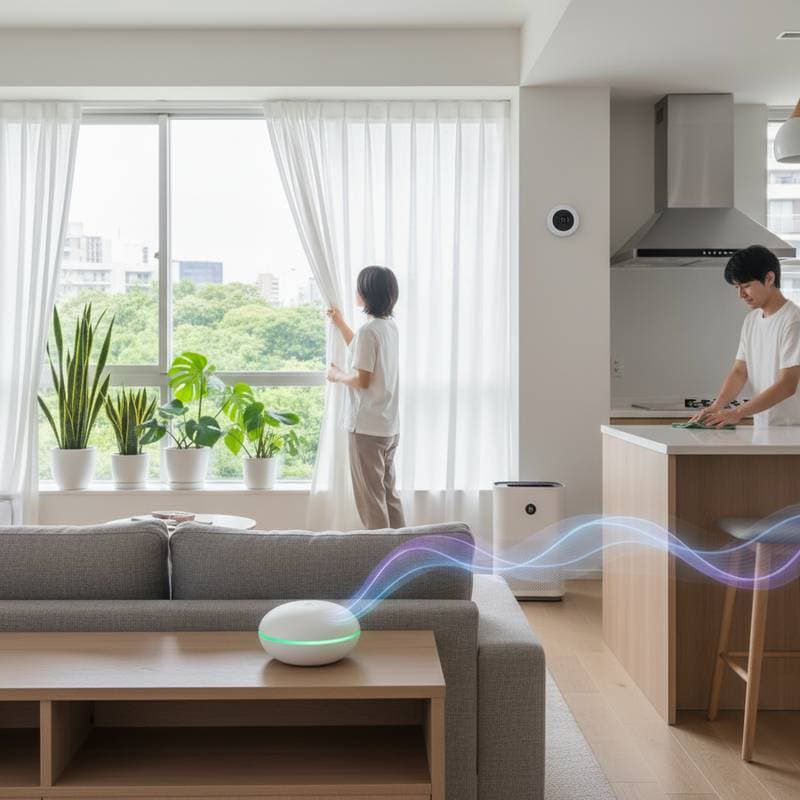
Understanding VOCs and Their Impact on Home Air
Volatile organic compounds, or VOCs, represent a group of chemicals that evaporate easily at room temperature. These substances originate from common household items such as fresh paint, aerosol cleaners, new furniture, and even burning scented candles. Over time, VOCs accumulate indoors, contributing to poor air quality that affects daily well-being.
Exposure to elevated VOC levels often results in symptoms like headaches, eye irritation, and respiratory discomfort. Individuals with asthma or sensitivities may experience worsened conditions. Monitoring these compounds provides an opportunity to address risks proactively and maintain a balanced indoor environment.
How VOC Sensors Function to Detect Pollutants
VOC sensors operate through advanced detection mechanisms that identify gas molecules in the air. Many models employ metal oxide semiconductor technology, where the sensor's electrical resistance alters upon contact with VOCs. This change translates into a readable numerical value, indicating pollution levels in parts per billion or similar units.
Calibration ensures accuracy, typically required every few months depending on usage. Sensors distinguish between various VOC types, though consumer models provide overall readings rather than specific compound identification. Integration with smart home systems allows real-time alerts via apps, enhancing convenience for ongoing monitoring.
According to Mike Harren, an indoor air engineer at SafeSense Labs, “A VOC sensor is not just for emergencies, it’s a feedback tool. It shows how your daily habits influence the air you breathe.” He notes that readings frequently increase after activities like cleaning or cooking, then decrease with proper airing out. Such insights enable targeted adjustments to routines for sustained air purity.
Essential Tools for VOC Monitoring and Air Improvement
Effective VOC management begins with the right equipment. A dedicated VOC sensor or comprehensive air quality monitor with a clear digital display serves as the core tool. An extension cord facilitates placement in various locations without restricting access to power sources.
Supportive items include a microfiber cloth for dusting surfaces and vents, along with mild dish soap diluted in water for gentle cleaning. Maintain a notebook or digital app to record readings over time, revealing patterns in air quality fluctuations. For advanced purification, incorporate a HEPA air purifier to capture airborne particles and gases.
Best Practices and Common Pitfalls in VOC Sensor Use
Recommended Actions
- Review the sensor's specified accuracy range and adhere to its calibration schedule for reliable data.
- Open windows and doors to ventilate spaces during activities that release VOCs, such as painting or using cleaners.
- Clean air vents and replace filters on a monthly basis to promote efficient circulation and reduce stagnation.
- Securely seal or dispose of outdated chemical containers to prevent unintended emissions.
- Log VOC levels before and after interventions like ventilation to quantify improvements and refine strategies.
Actions to Avoid
- Refrain from using fragrances or air fresheners as solutions, since they introduce additional VOCs into the air.
- Keep bleach or ammonia-based products away from the sensor, as their vapors may corrode sensitive components.
- Recognize that even low-VOC labeled paints release some compounds through off-gassing; monitor post-application.
- Address persistent high readings promptly, as they indicate underlying sources requiring investigation.
- Position the sensor away from direct sunlight, heat sources, or drafts, which could distort measurements.
Investment and Effort Overview
Quality VOC sensors for home use range from $80 to $300, with variations based on precision, additional sensors for humidity or particulates, and connectivity options. Higher-end professional units exceed this range for detailed analysis. Initial setup, including unboxing and calibration, requires approximately 30 minutes.
Daily involvement remains minimal, limited to a few minutes for checking and noting readings. If professional assessment appeals, costs depend on the number of rooms evaluated and the extent of testing, often including lab analysis and customized reports. Primary expenses stem from device durability, supplementary testing services, and comprehensive documentation.
Advanced Strategies for Optimal VOC Control
Strategic placement enhances the effectiveness of VOC monitoring. Rotate the sensor weekly across rooms like kitchens, bathrooms, and living areas to create a comprehensive air quality map. Employing two sensors—one in primary activity zones and another in sleeping quarters—offers insights into exposure variations throughout the day.
Consider environmental factors such as humidity, which influences VOC dispersion; aim for levels between 30 and 50 percent using dehumidifiers if necessary. Pair VOC data with carbon dioxide measurements, as rising CO2 levels signal inadequate fresh air exchange that exacerbates pollutant buildup. Systematic record-keeping in a spreadsheet or app tracks long-term trends, pinpointing seasonal or activity-related spikes.
Incorporate lifestyle adjustments for lasting results. Store household chemicals in well-ventilated garages or cabinets. Opt for natural cleaning alternatives like vinegar solutions to minimize new introductions. Regular maintenance of appliances, such as dryer vents, prevents hidden emission points.
Implementing Changes for Lasting Air Quality Gains
Prioritizing indoor air quality yields benefits beyond immediate comfort, supporting sustained energy, concentration, and health. Begin by baseline testing with your VOC sensor to establish current conditions. Respond to findings through consistent actions: enhance ventilation during high-emission tasks, maintain cleanliness to limit sources, and utilize filtration systems for capture.
Over several weeks, these efforts compound, leading to noticeable reductions in symptoms and a revitalized home atmosphere. Persistent monitoring ensures adaptations to changing needs, such as seasonal shifts or renovations. This proactive approach transforms awareness into tangible improvements in daily living.