
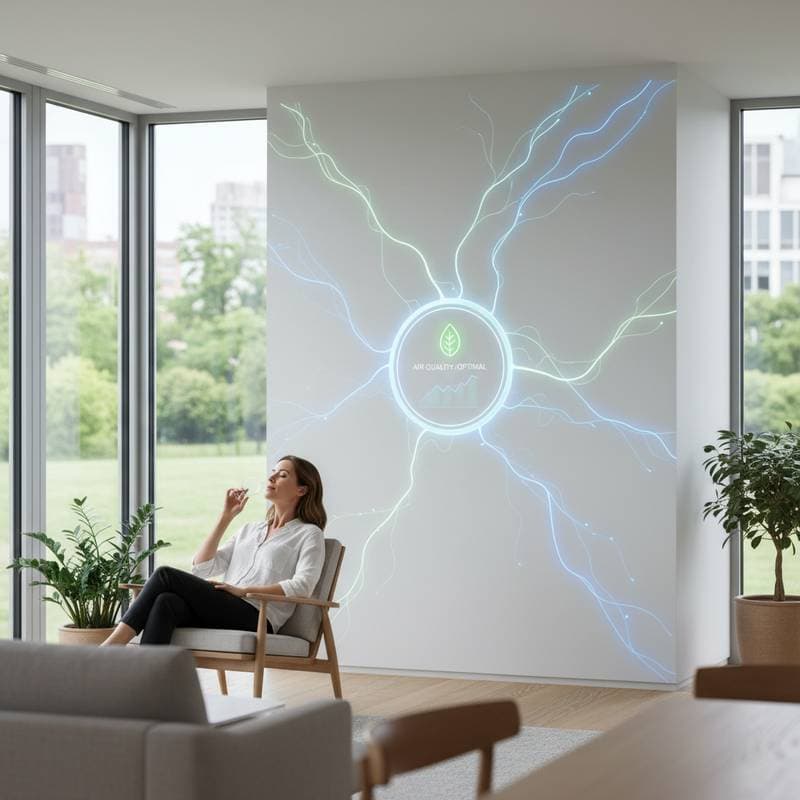
Introduction to Smart Air-Quality Paint
Indoor air quality often receives less attention than outdoor pollution, yet it poses significant risks to daily health. Volatile organic compounds, or VOCs, from paints, cleaners, and furniture can accumulate in enclosed spaces, leading to respiratory issues and long-term ailments. A new category of paint addresses this challenge by integrating detection technology directly into wall surfaces, offering a seamless way to monitor and mitigate these invisible threats.
This innovation represents a fusion of material science and smart home principles. Walls coated with this paint become active participants in maintaining a healthy environment, responding to air changes without requiring separate devices. Homeowners gain peace of mind through proactive protection that blends into their decor.
The Hidden Dangers of Indoor Air Toxins
VOCs evaporate at room temperature and originate from common household items such as new carpets, adhesives, and personal care products. Prolonged exposure contributes to headaches, eye irritation, and more severe conditions like asthma exacerbation or liver damage. Regulatory bodies highlight that indoor concentrations of these compounds can exceed outdoor levels by factors of two to five.
Traditional detection methods involve standalone air purifiers or handheld monitors, which demand maintenance and visible placement. These solutions often overlook continuous surveillance in hard-to-reach areas. The specialized paint overcomes such limitations by providing wall-wide coverage, ensuring comprehensive monitoring across living spaces.
How the Technology Functions
At the core of this paint lies a network of microscopic sensors embedded within the formula. These sensors react to specific VOC molecules, triggering a visible color shift or digital signal when thresholds exceed safe limits. For instance, exposure to high benzene levels might cause subtle pigmentation changes detectable by the naked eye or connected devices.
Integration with home automation systems enhances functionality. The paint pairs with companion apps that receive real-time notifications via Bluetooth or Wi-Fi connectivity points. Users receive alerts on their smartphones, detailing pollutant types and concentrations, allowing for swift ventilation or source removal.
Development draws from nanotechnology, where sensor particles remain stable through multiple coats and drying cycles. Durability testing confirms the paint withstands humidity and light exposure without degrading performance. This reliability ensures long-term efficacy in diverse room conditions.
Key Benefits for Health and Home
Adopting this paint yields immediate health advantages by reducing exposure to airborne toxins. Families with children or elderly members benefit most, as early detection prevents buildup that could trigger allergies or chronic fatigue. Clinical studies suggest that minimizing VOCs correlates with improved sleep quality and cognitive function.
Aesthetically, the product maintains a premium finish comparable to standard paints, available in matte, gloss, or textured varieties. It supports sustainability goals through low-VOC base formulas and recyclable components. Homeowners report enhanced property value, as smart features appeal to eco-conscious buyers.
From a practical standpoint, installation mirrors conventional painting processes, requiring no specialized tools. Coverage extends to bedrooms, kitchens, and offices, creating a unified defense against pollutants. Over time, this approach lowers reliance on chemical air fresheners, promoting a more natural indoor atmosphere.
- Proactive Alerts: Receive notifications before symptoms appear, enabling preventive actions.
- Cost Efficiency: Eliminates need for multiple gadgets, with one-time application providing ongoing monitoring.
- Customizable Coverage: Apply selectively to high-risk areas like nurseries or workshops.
- Eco-Friendly Profile: Uses non-toxic binders that support green building certifications.
Steps to Integrate Air-Quality Paint into Your Home
Begin by assessing current air quality using affordable test kits available at hardware stores. Identify rooms with potential VOC sources, such as freshly renovated spaces or areas with heavy furniture use. This evaluation guides application priorities.
Select a paint variant suited to your needs, considering factors like room size and desired finish. Professional painters recommend surface preparation, including cleaning and priming, to optimize adhesion. Apply two to three coats for full sensor activation, allowing 24 hours between layers for proper curing.
Post-application, download the associated app and pair it with nearby smart hubs. Calibrate sensitivity levels based on household occupancy and ventilation habits. Regular maintenance involves occasional touch-ups, similar to any wall surface, to preserve integrity.
- Conduct an air quality audit to pinpoint problem zones.
- Choose and purchase the appropriate paint formula.
- Prepare surfaces and apply coats evenly.
- Set up digital monitoring for alerts and data tracking.
- Monitor performance and adjust as living patterns evolve.
Embracing Healthier Indoor Environments
This paint innovation shifts the paradigm of home design toward proactive wellness. By embedding protection into structural elements, it fosters environments where air purity supports vitality and comfort. Individuals who implement such technologies often experience tangible improvements in daily well-being.
Looking forward, advancements may expand detection to other pollutants like mold spores or carbon monoxide. Early adoption positions homeowners at the forefront of intelligent living. Ultimately, these walls serve as silent allies, ensuring that every breath contributes to a thriving lifestyle.