
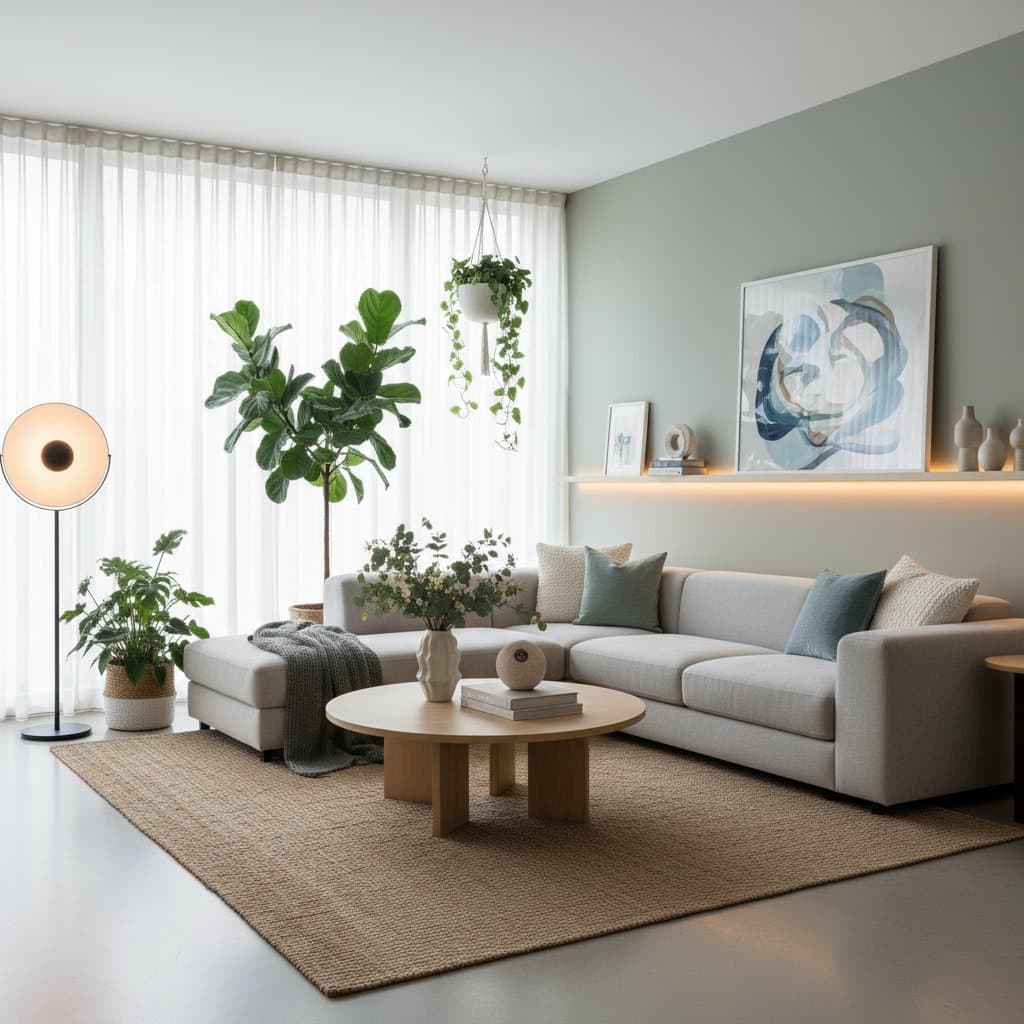
Boost Your Home's Mental Health with Neuroaesthetics
Your home influences mood through visual and sensory cues. Neuroaesthetics examines these effects to guide design decisions that promote calm and focus. Intentional choices in light, color, and layout help reduce daily tension.
Cluttered or poorly lit rooms increase stress and reduce motivation. The following guidance shows how to apply straightforward adjustments that support mental restoration. These recommendations aid wellness but do not substitute for professional therapy.
Core Principles
Neuroaesthetics explores links between design elements and brain responses. Subtle shifts in lighting, color balance, and natural textures lower physiological stress markers. Safety considerations remain essential. Skip scented items when household members have allergies or sensitivities.
Required Supplies
- Mild cleaner and microfiber cloths
- Paint swatches or digital color samples
- Indoor plants or cut branches
- Soft, warm light bulbs rated near 2700K
- Storage bins or baskets
- Natural fabrics such as cotton or linen
- Framed prints or photos that evoke calm
Use existing household items before purchasing replacements.
Implementation Steps
Clear Visual Noise
Remove excess objects from tables and shelves until roughly two-thirds of each surface remains empty. The brain processes fewer competing stimuli and enters a relaxed state more readily. Store or discard items that lack daily use.
Balance Light Sources
Open curtains during daylight hours to maximize natural illumination. In low-light areas, install warm bulbs around 2700K and position lamps at seated eye level. Lighting designer Susan Lee notes that layered, gentle light supports circadian rhythms and eases eye strain.
Incorporate Natural Textures
Introduce plants, wood, or stone elements that signal safety to the brain. Low-maintenance options include pothos, snake plants, or dried branches. When live plants prove impractical, nature photography or wood-grain patterns produce similar benefits.
Select Calming Colors
Apply cool blues and greens in rest zones or warm neutrals in shared spaces. Avoid high-saturation hues near sleeping or reading areas. Swap textiles such as pillows or curtains to test new tones without repainting walls.
Improve Circulation and Sight Lines
Position furniture to allow clear pathways and open views across each room. This arrangement reduces subconscious alertness. Keep doorways unobstructed by large pieces so occupants experience immediate spatial ease.
Add Gentle Sensory Details
Layer rugs, woven baskets, and knit throws for tactile variety. Introduce soft background audio such as instrumental music or recorded nature sounds. Neuroscientist Dr. Maya Torres explains that measured sensory input maintains grounding without causing overload.
Display Meaningful Objects
Place a limited number of personally significant items, such as travel photographs or handmade ceramics, within easy view. These elements reinforce feelings of security. Restrict selections to pieces that continue to hold emotional resonance.
Define Activity Zones
Separate work areas from relaxation zones through rugs or distinct lighting. Clear boundaries help the brain transition between concentration and rest modes, limiting mental fatigue.
Maintain Air and Acoustic Quality
Ventilate rooms daily and employ fans or purifiers when needed. Heavy curtains and rugs dampen external noise. Consistent attention to these factors sustains overall sensory balance.
Recommended Practices
- Prioritize natural light and materials in every room.
- Test paint colors on small patches before full application.
- Retain only personal items that genuinely uplift mood.
- Preserve empty space on surfaces to sustain visual calm.
- Wipe surfaces weekly to prevent dust accumulation.
Practices to Avoid
- Overfill rooms with furniture or decorative objects.
- Combine multiple bright colors within a single sight line.
- Introduce strong artificial fragrances.
- Overlook sound absorption needs.
- Leave lighting unchanged throughout the day.
Situations Requiring Specialists
Engage a designer or contractor for structural modifications, electrical work, or extensive lighting systems. Persistent moisture, mold, or air-quality concerns warrant consultation with certified indoor-environment professionals.
Budget and Timeline Overview
Decluttering, rearranging, and adding plants typically cost nothing or less than fifty dollars. Lighting upgrades or textile additions range from fifty to several hundred dollars. Allocate one weekend for layout changes and additional hours for color or illumination refinements.
Ongoing Care
Dust surfaces weekly. Water and rotate plants toward available light. Replace bulbs as output dims. Review furniture placement seasonally. Inspect for new clutter monthly and repeat clearing steps when needed.
Begin With One Adjustment
Neuroaesthetic design centers on functional support rather than visual trends. A single cleared surface or softer bulb alters how the brain interprets the room. Consistent application across rooms builds cumulative calm.