
Why Young Designers Are Reviving Traditional Interiors
You can make a home feel warm and personal again with grandmillennial style. The look blends traditional comfort with fresh energy. Vintage patterns and heirloom pieces gain new life through careful editing.
Many modern interiors feel sterile or over-edited. Young designers address this issue with purpose and restraint. This style works best when each element receives thoughtful placement.
Core Elements of the Style
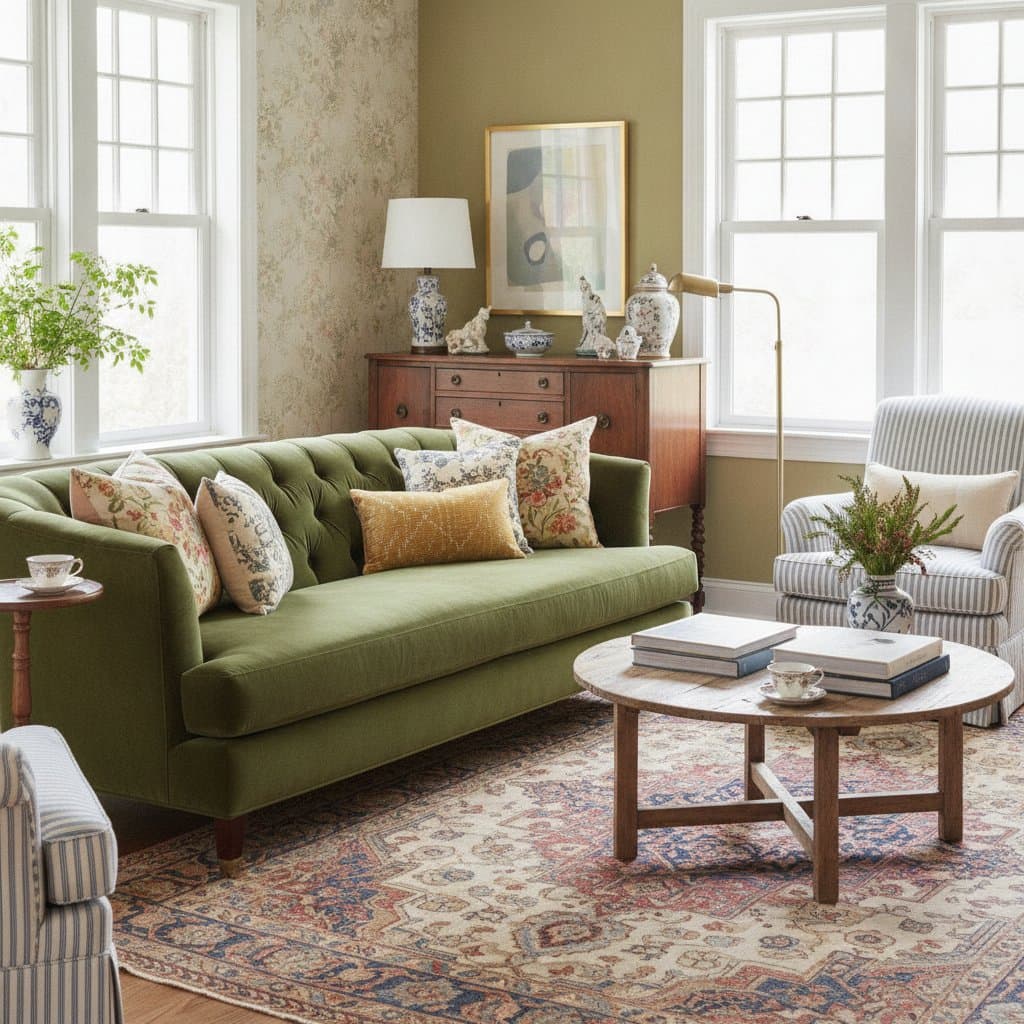
Grandmillennial style mixes classic decor such as floral fabrics, needlepoint, pleated lampshades, and antique furniture with modern art and streamlined shapes. It remains nostalgic without becoming fussy. Intention guides every choice so each piece carries a story or practical use.
Safety matters when restoring vintage furniture. Use lead-safe paint and proper ventilation when refinishing old pieces.
Reasons for the Recent Shift
After years of minimal interiors and neutral palettes, many young designers began craving texture, pattern, and history. The clean, spare look of white walls and black fixtures started to feel cold. Grandmillennial design offered a way to reconnect with something familiar.
This style feels comforting because it celebrates memory. It reminds people of grandparents' homes, yet through a modern lens. Designer Avery Moss of Moss Home Studio notes that younger clients want coziness and character in spaces that feel collected rather than staged.
The revival also aligns with growing interest in sustainability. Buying vintage furniture or reupholstering a classic chair keeps materials out of landfills. It respects craftsmanship that outlasts mass-produced pieces.
Practical Steps to Apply the Style
Begin with items already in your home. Walk through your space and note vintage or traditional pieces that could remain. A wooden sideboard, porcelain lamp, or embroidered linens can anchor the look.
Choose a cohesive palette of two or three main colors. Grandmillennial rooms often use soft blues, greens, or blush tones balanced with cream or white. Consistency prevents the mix of old and new from feeling chaotic.
Layer textiles with intention. Add patterned curtains, throw pillows, and upholstered chairs. Mix scales of pattern, such as large florals with small checks. Designer Leah Barrett of Studio Barrett advises keeping one color thread to tie patterns together.
Balance pattern with solids. Pair a bold wallpaper wall with simple furniture. Place a floral sofa beside solid drapes. This approach prevents visual overload.
Swap modern fixtures for lamps with pleated or fabric shades. Look for ceramic or brass bases at thrift stores. Rewire if needed for safety. Hang family portraits, landscape paintings, or small framed needlework alongside modern prints in matching frames.
Introduce one or two antique furniture pieces per room. A carved side table or vintage chest adds weight and authenticity. Display collections in small groups rather than scattering items. Three porcelain vases on a mantel create more impact than ten spread throughout the space.
Add fresh flowers or greenery in simple arrangements. These elements soften the room and connect traditional pieces.
Key Guidelines
Mix old and new pieces to avoid a costume-like feel. Focus on craftsmanship over brand names. Reuse, refinish, or reupholster family furniture. Add a few modern lines for contrast. Keep lighting warm and layered.
Avoid crowding every surface with collectibles. Skip synthetic materials that only mimic antiques. Respect proportion so heavy drapes do not overwhelm small rooms. Perform safety checks on old wiring or paint. Choose pieces you genuinely enjoy rather than forcing nostalgia.
When Professional Help Helps
Call a professional for refinishing antique wood, restoring vintage upholstery, or repairing electrical lighting. Lead paint, mold, or damaged wiring can pose health risks. Proper restoration also preserves the value of heirloom furniture.
Sourcing and Upkeep
Find authentic items through family attics, estate sales, local thrift shops, or online resale markets. Check structural integrity before purchase. Wiggle chair legs and inspect surfaces for woodworm or peeling veneer.
Maintain the look with weekly dusting of antiques, monthly rotation of cushions, and seasonal polishing of brass or silver. Wash drapes twice a year and reseal wood furniture when dryness appears.
Keeping the Look Fresh
Younger designers use cleaner lines and more negative space than traditional versions of the style. A floral sofa might sit next to a minimalist coffee table. Airy color choices such as light blue or sage green replace heavier tones. Natural fabrics like linen or cotton replace synthetics whenever possible.
Pair ornate trims with modern silhouettes. Mix inherited china with simple dinnerware. Leave at least one surface clear in every room. Add playful touches such as a bright throw pillow to relax formal prints.
Bringing the Style Home
Grandmillennial design thrives on memory when edited thoughtfully. Start with one room and collect pieces over time. The charm builds gradually as you learn which textures and details make the space feel like home.