
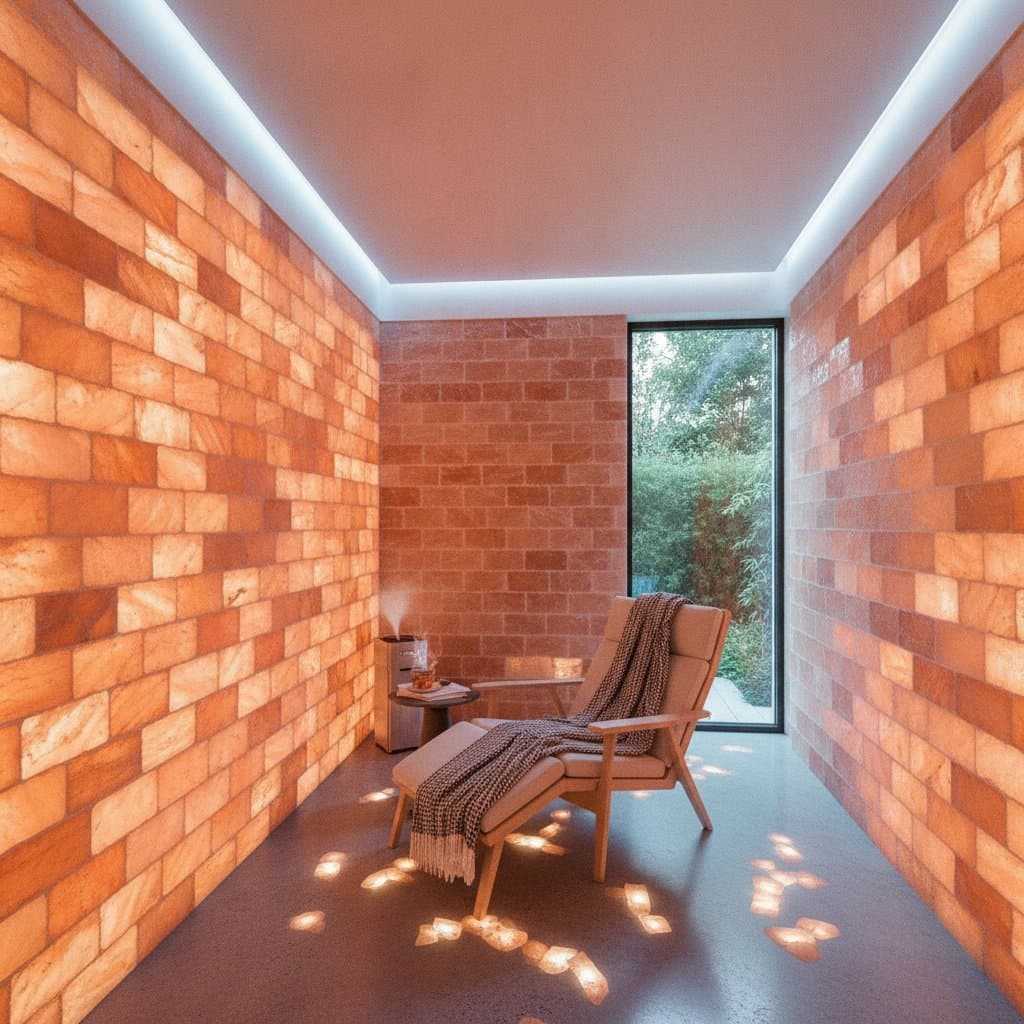
Home Salt Rooms for Respiratory Wellness
Experience the calm of a spa and the clarity of mountain air in your own home. A salt room can help you breathe easier, rest deeper, and create a soothing space for daily wellness. Many people seek ways to ease congestion, allergies, or stress without medication.
A home salt room offers one simple, natural option. This guide explains how to plan, build, and maintain a salt room at home that fits your space, budget, and health goals. Skip this project if you have an active respiratory infection or a medical condition that limits exposure to dry air. Always check with your doctor before starting halotherapy at home.
How Salt Supports Easier Breathing
Halotherapy works through simple physics. Salt particles attract water and can thin mucus when inhaled. This process helps clear nasal passages and may reduce irritation from dust or pollen.
Dry salt therapy can support natural airway clearance by drawing moisture from inflamed tissue. The effect is temporary but can make breathing feel easier for people with mild congestion or seasonal allergies. The air in salt rooms also carries negative ions, which some studies associate with improved mood and relaxation.
Many users report better sleep and reduced stress after regular sessions. The key is consistency rather than intensity. Short, frequent sessions are safer and more effective than long ones.
Tools and Materials
- Food-grade or pharmaceutical-grade salt. Avoid table salt with additives.
- Halogenerator for fine salt dispersion.
- Dehumidifier to control air moisture.
- Ventilation fan or small air exchanger.
- Hygrometer and thermometer to monitor room conditions.
- Non-porous wall panels such as sealed wood, acrylic, or ceramic tile.
- Soft lighting or salt lamps.
- Chair or recliner for comfort.
- Protective mask and gloves for handling salt during installation.
Optional items include Himalayan salt bricks for design, a sound machine for relaxation, and washable floor mats for easy cleaning.
Installation Steps
Select a small, enclosed space such as a spare room or large closet. Seal all surfaces to prevent moisture damage and salt buildup. Install the dehumidifier and ventilation system first to maintain low humidity levels.
Mount the halogenerator according to manufacturer instructions and position seating away from direct airflow. Add soft lighting and test all equipment before adding salt. Apply loose salt to the floor only after the room passes a humidity check.
Dos and Do Nots
Dos
- Keep humidity low to prevent salt from clumping.
- Use only pure, additive-free salt for safety.
- Wipe surfaces after each use to remove fine salt dust.
- Replace loose floor salt regularly.
- Consult your doctor before starting sessions if you have chronic respiratory issues.
Do Nots
- Do not use table salt with anti-caking agents.
- Do not run the halogenerator longer than recommended. Overexposure can dry out nasal passages.
- Do not let moisture enter electrical parts or outlets.
- Do not skip ventilation. Stagnant air holds too much salt and can irritate eyes.
- Do not use on unsealed wood or metal surfaces.
Safe Session Practices
Each session should last between 15 and 30 minutes. Shorter sessions are fine for children or beginners. Sit still, breathe naturally, and avoid touching your face. The air may feel dry but should not sting or burn.
Drink water afterward. Salt exposure can dry the throat. Do not eat or drink in the room during sessions to avoid contamination. If you have asthma, chronic sinusitis, or skin conditions, talk with your doctor before using halotherapy regularly.
Health Considerations
Halotherapy is not a cure for disease. It can support comfort and relaxation but should not replace prescribed treatments. The dry salt environment may not suit people with certain lung conditions or those sensitive to dust.
Always start slow and observe how your body responds. Children can use salt rooms with supervision but should stay for shorter periods. Pregnant individuals should check with their healthcare provider first.
If you notice dizziness, coughing, or tightness in the chest, stop immediately and ventilate the room. These reactions usually mean the air is too dense with salt or too dry. Adjusting the halogenerator or humidity usually resolves the issue.
Cost and Time Expectations
A basic DIY salt room can cost between 800 and 2500 dollars, depending on size and equipment. Small halogenerators start around a few hundred dollars, while professional-grade units can exceed 1000 dollars. Himalayan salt bricks for walls add visual appeal but also increase cost.
Installation time ranges from one to three days, mostly for prep, sealing, and adjustment. The main cost drivers are room size, salt type, and equipment quality.
Sustainable Practices
You can design your salt room to be eco-friendly. Use recycled wall panels or low-energy LED lighting. Reuse salt from the floor as long as it stays dry and clean.
When disposing of old salt, dissolve it in water and pour it down the drain rather than throwing it away dry. This prevents dust from spreading into the air. Regular upkeep keeps the space effective and pleasant for ongoing respiratory support.