
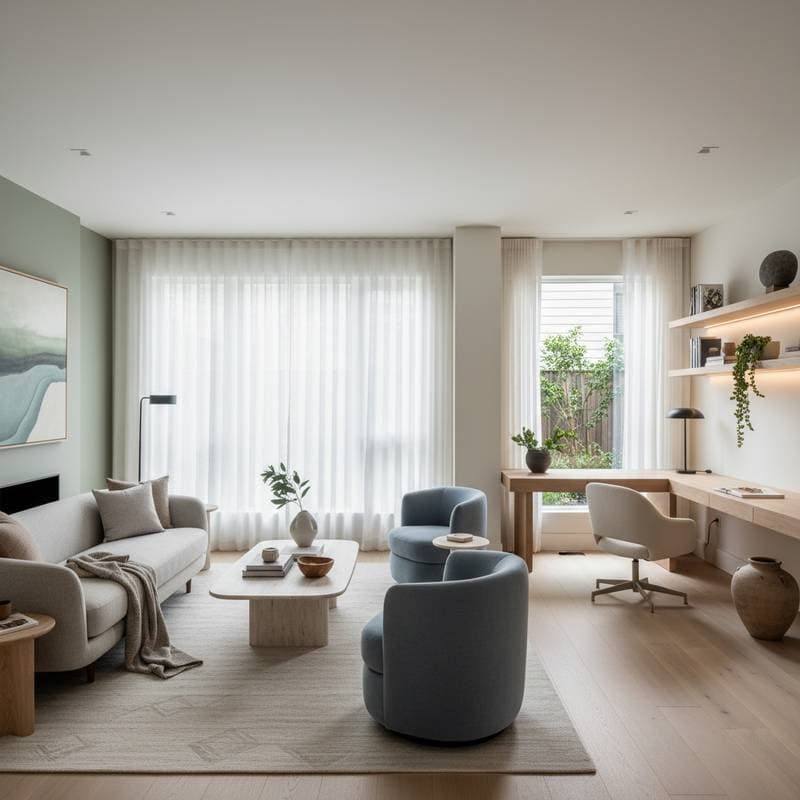
Creating Calm Through Neuroaesthetic Design
A well-designed home can calm the mind, lift the mood, and ease daily routines. When spaces feel cluttered or chaotic, they drain focus and energy without notice. Neuroaesthetic design applies research on how the brain processes sensory input to support mental health through intentional choices in color, light, texture, and layout.
These adjustments work on any budget. Renters and homeowners alike can start with small changes that deliver measurable reductions in stress.
The Science of Balanced Spaces
Neuroaesthetic principles rest on the brain search for safety and comfort cues upon entering a room. Balanced environments lower cortisol levels while gentle variation in patterns prevents both boredom and overstimulation. Cognitive neuroscientist Dr. Anjan Chatterjee notes that responses to beauty signal reward and safety at a biological level.
Open layouts encourage better posture and freer movement. Clear pathways reduce physical tension and allow the nervous system to settle. Even modest furniture shifts that improve sightlines to doors enhance feelings of security.
Core Design Principles
Apply repetition of color and shape to establish rhythm without monotony. Introduce natural scents by opening windows regularly. Test paint samples in daylight to confirm true tones under actual conditions. Position main seating so occupants can see the door, reinforcing a sense of safety. Select materials that clean easily to maintain visual order over time.
Avoid overcrowding walls with art or photographs. Maintain consistent color temperatures across all light sources. Skip strong chemical cleaners on natural surfaces. Prioritize physical comfort over appearance in every seating choice. Prevent blocked natural light from dark curtains or oversized furniture.
Room-Specific Applications
Living Room
Flexible lighting supports shifts between social time and quiet rest. Combine seating at varied heights to accommodate different postures. A soft rug underfoot signals comfort to the body.
Bedroom
Keep electronics out of view to signal rest. Limit the palette to two or three muted tones. Install blackout curtains when external light interferes with sleep. A simple lavender or cedar diffuser strengthens the transition to bedtime.
Kitchen
Organize tools into clear zones so the mind does not search unnecessarily. Warm or natural light improves the appeal of food preparation. One herb plant adds freshness and life to the workspace.
Bathroom
Replace harsh overhead fixtures with diffused lighting. Store toiletries in baskets to reduce visual noise. Introduce one tactile element such as a wooden stool or thick cotton towel.
Workspace
Keep the desk surface largely clear to sustain attention. Use vertical storage to preserve floor space. Display one inspiring nature print or muted abstract piece. Avoid reds or flickering lights that elevate alertness beyond productive levels.
Testing Personal Responses
Spend several minutes in each room and observe physical reactions. Tense shoulders or shallow breathing indicate overstimulation. Dullness or sleepiness suggests insufficient sensory input. Adjust color, texture, or lighting until balance emerges.
Track changes in a brief journal. Note body sensations before and after each modification. Patterns appear quickly and reveal individual preferences for soothing environments.
Strengthening Emotional Connection
Objects with personal meaning trigger oxytocin release and deepen belonging. Display a handmade quilt, family photograph, or well-loved book to reinforce continuity. These elements transform functional spaces into sources of emotional support.
Sustaining the Results
Dust surfaces weekly to preserve intended textures and colors. Rotate plants every few weeks for even growth. Replace bulbs at matching brightness levels. Reassess layouts every few months to prevent clutter return. Monitor for restlessness or distraction and refine color or lighting accordingly.
Work in daylight when selecting colors. Prepare sample boards to preview texture combinations. Maintain consistent color temperature throughout connected rooms. Position mirrors opposite windows to extend light reach. When sharing a home, include all occupants in decisions about scent and sound to support collective comfort.