
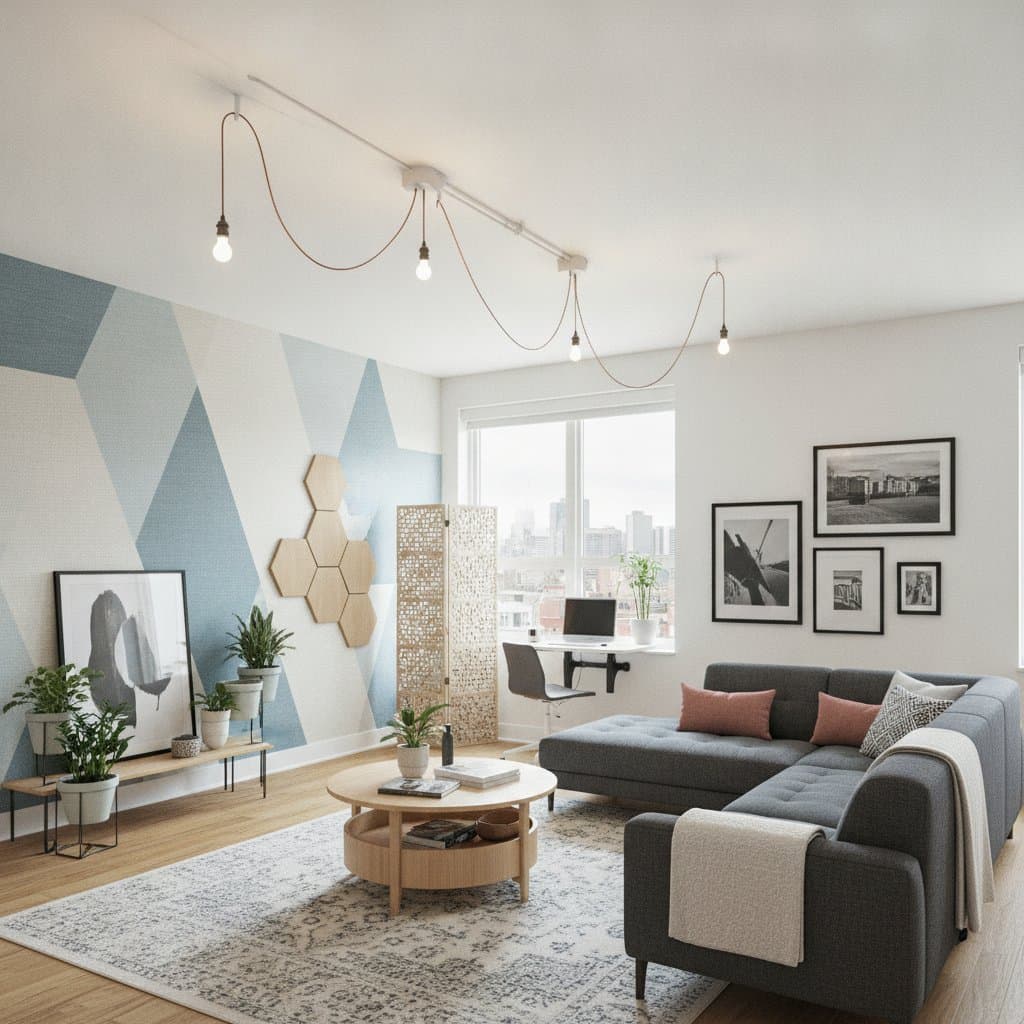
Why Removable Designs Are Booming for Renters
Renters have long struggled to personalize their homes without violating lease terms. Limited options once meant neutral accessories and bare walls that reinforced a sense of impermanence. New removable solutions now allow bold self expression while preserving security deposits and landlord approval.
Personalization Without Lasting Changes
The core challenge remains how to claim a space as your own when ownership is absent. Removable designs solve this through reversible materials that perform like permanent fixtures. Advanced adhesives and modular systems enable emotional investment in a home without financial risk.
Renters reject generic environments. Manufacturers respond with products that meet professional standards through reusable components and trace free installation. These options deliver both practicality and a sense of control.
Engineered Performance in Temporary Products
Earlier versions of removable items often appeared fragile. Current offerings withstand daily use in demanding areas. Peel and stick vinyl tiles resist moisture in kitchens and baths. Fabric panels reposition multiple times without losing adhesion. Plug in sconces replicate the output of hardwired fixtures for both ambient and task lighting.
Longer rental periods and frequent moves drive demand for intentional spaces. The industry supplies products that accommodate mobility while supporting individual style.
Core Drivers Behind the Trend
Renters prioritize flexibility, cost control, and visual appeal. Removable designs address each need directly.
- Creative expression through color, texture, and layout choices that reflect personal identity.
- Financial sense because updates avoid permanent costs tied to short leases.
- Sustainability via reusable materials that cut waste across multiple homes.
- Lifestyle adaptation for work zones and flexible room divisions.
Leading Product Categories
Peel and Stick Wall Treatments
Wallpaper panels from established brands stay secure for years yet release cleanly. Accent walls behind beds or seating require six to eight panels for a standard surface. Costs range from 150 to 300 euros. Neutral textures add depth while bold patterns shift room energy.
Modular Storage Systems
Tension based units from brands such as String or Elfa create sturdy shelves without wall penetration. One Berlin renter spanned a hallway with a two meter library that dismantled in minutes for the next move.
Plug In Lighting Solutions
Sconces and pendant cords with fabric leads produce a built in appearance. Models in soft neutrals integrate with existing walls. A single bedside unit can alter the entire atmosphere of a bedroom.
Kitchen Surface Improvements
Adhesive backsplashes and vinyl films update counters and walls. One Paris renter applied matte black film to laminate surfaces for under 80 euros. The material handles heat and water during regular cooking.
Small Scale Fixtures
Adhesive hooks and bars organize items when arranged with intention. They supply structure that appears planned rather than temporary.
Technology and Material Advances
Digital printing supports custom patterns and realistic surfaces. Configurators allow preview before purchase. Limited artist collaborations turn wallpaper into collectible pieces printed on biodegradable stock with low emission inks.
Practical Selection Criteria
Function must accompany appearance. Waterproof ratings matter for bath tiles. Weight limits guide hook choices. Begin with a single test area before scaling to an entire room.
Cost Considerations
Most upgrades stay affordable. A backsplash runs 60 to 120 euros. Plug in sconces often total under 100 euros. Quality results remain accessible without ownership.
Real World Applications
Residents across cities report meaningful shifts. A Copenhagen renter added fabric panels in magnetic frames to warm a white interior. A London tenant mounted a pegboard for kitchen tools and plants. A Madrid resident layered rugs to define separate living zones in one studio.
Designer and Architect Views
Professionals incorporate these solutions into standard practice. Test installations clarify preferences before any permanent work. This approach reduces later waste and refines decisions early.
Environmental Benefits
Quality removable products support multiple uses across homes. Reuse lowers overall renovation waste and aligns with responsible consumption.
Getting Started
Select one high impact zone such as an entry or headboard wall. Combine materials with portable furnishings for cohesion.
Follow these steps for reliable results:
- Clean all surfaces before application.
- Measure carefully, especially with repeating patterns.
- Smooth materials with a soft tool to eliminate air pockets.
- Retain original backing for future relocation.
- Blend new elements with existing furniture to maintain a settled appearance.
Daily Impact of Adapted Spaces
A home that mirrors personal routines improves mood even under lease constraints. Walls, lighting, and layout work together to support daily life. Adaptable design proves that thoughtful choices create belonging without ownership.