
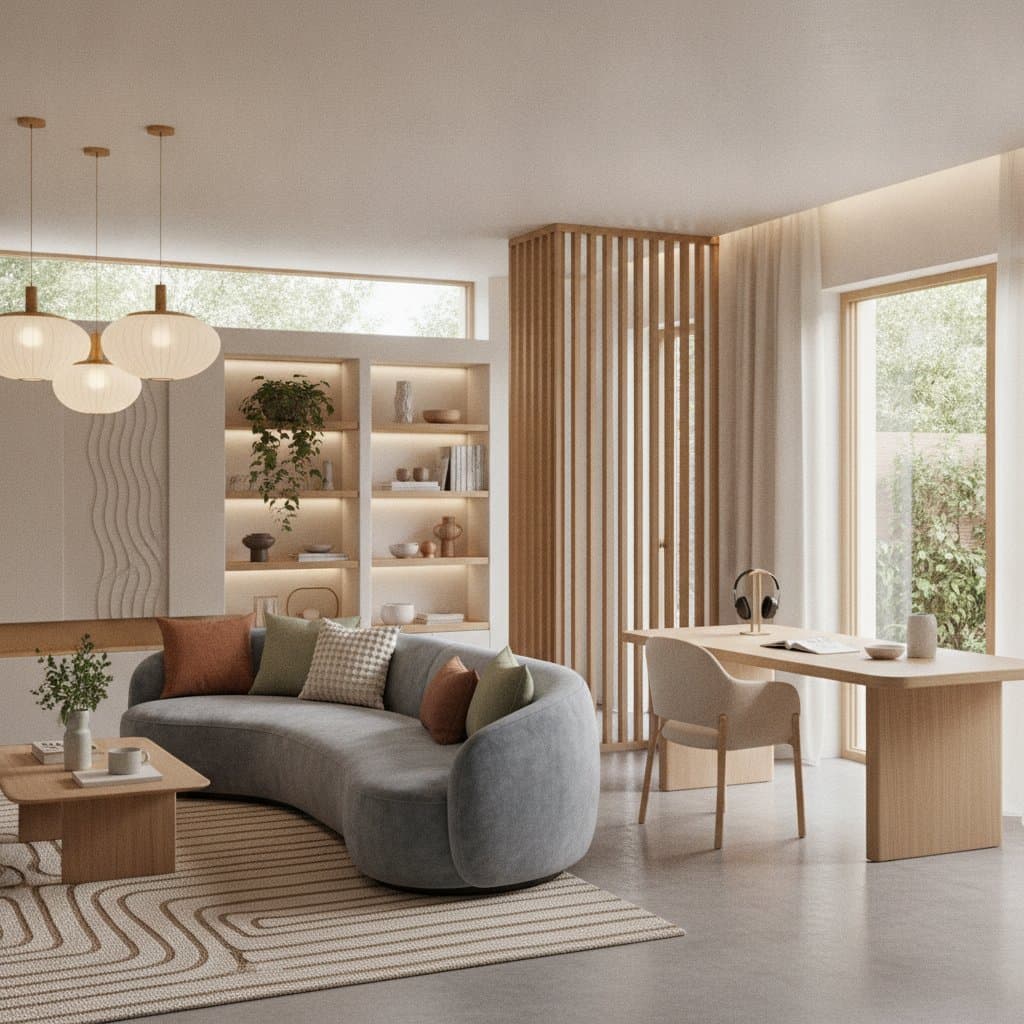
Neurodivergent-Friendly Design Sets a New Standard
Rooms can calm the senses, sharpen focus, and support every brain when design choices address real sensory needs.
Many homes and workplaces still create overload through bright lights, constant noise, and visual clutter.
Thoughtful adjustments turn these spaces into environments that reduce stress and improve daily function.
No universal layout works for every person. Design decisions must reflect individual sensory profiles and the activities that take place in each room.
Core Principles
Neurodivergent-friendly design centers on sensory balance, clear sight lines, and user control. It supports people with autism, ADHD, or sensory processing differences by lowering overload while preserving interest.
Test every material and light source in the actual space before final installation. Skip strong scents and harsh cleaning products that trigger reactions.
Recommended Materials
- Dimmable lamps or fixtures with adjustable brightness
- Neutral wall colors paired with natural textures
- Closed storage bins labeled clearly
- Rugs and curtains that absorb sound
- Weighted blankets or textured cushions for designated calm areas
- Low-odor, non-toxic cleaners
- Optional white-noise device for consistent background sound
Implementation Steps
Assess individual sensory needs
List soothing and stressful stimuli for the primary user. Record reactions to sound, light, and texture. Use this list as the decision framework for every change.
Reduce visual clutter
Clear surfaces and store loose items in closed containers. Select furniture with simple profiles. A restful visual field lets the brain process information without extra effort.
Layer lighting effectively
Replace sole overhead fixtures with multiple lamps. Choose warm-white bulbs rated below 3000 Kelvin in rest areas. Add focused task lighting for work surfaces. Eliminate flickering sources that distract sensitive eyes.
Introduce varied textures
Combine soft cotton throws with woven rugs and velvet cushions. These elements provide grounding input for users who seek tactile feedback. Keep scratchy or cold surfaces away from seating and work zones.
Manage acoustics
Hang heavy curtains and lay thick rugs to absorb sound. A bookshelf filled with soft objects reduces echo. Introduce steady background sound only when complete silence increases discomfort.
Define functional zones
Mark separate areas for concentration, rest, and movement with rugs or subtle color shifts. A low-lit corner with a supportive chair becomes a reliable self-regulation spot.
Provide movement options
Reserve open floor space or add a rocking chair and balance cushion. These tools help regulate attention. Place them near activity areas but outside main walkways.
Enable user adjustments
Install dimmers, adjustable curtains, and accessible thermostats. Personal control over light, temperature, and sound lowers anxiety and sustains concentration.
Handle scent with restraint
Limit scent to faint, natural sources such as a drop of essential oil on cotton when it proves calming. Avoid plug-in devices and strong chemical products.
Recommended Practices
- Test samples under actual room lighting before purchase.
- Select durable, washable fabrics.
- Label storage with images or short words.
- Include the end user in all major choices.
- Favor lasting comfort over current trends.
Avoid mixing multiple patterns or intense colors in a single view. Address echo and hum, which produce fatigue. Never rely on strong chemical cleaners or candles. Recognize that stark minimalism can feel sterile rather than calm. Secure tall furniture and cords near movement areas.
When Professional Help Is Useful
Consult an interior designer or occupational therapist when conflicting sensory requirements exist or when the space must serve both neurodivergent and neurotypical users. Professionals can map acoustics, select appropriate lighting temperatures, and plan ergonomic layouts. Engage experts before electrical work, ceiling installations, or built-in cabinetry.
Budget and Timeline
Basic updates range from a few hundred dollars. Full-room redesigns may reach several thousand. Lighting controls, acoustic treatments, and new furniture drive most costs. A single-room refresh often finishes in one weekend. Projects involving paint, wiring, or flooring require several weeks. Reusing existing pieces and shopping secondhand keeps expenses manageable.
Ongoing Care
Vacuum rugs and curtains weekly. Clean tactile surfaces with mild soap. Replace flickering bulbs immediately. Check fabric care labels quarterly. Review the overall layout twice a year and adjust as routines or sensitivities change.
Insights from Specialists
Interior designer Leah McConnell notes that predictability and choice form the foundation of successful spaces. Layered lighting and sound management deliver the greatest daily benefit. Occupational therapist David Ramos observes that consistent labeling and clear pathways reduce cognitive load and prevent sensory fatigue.
Practical Next Actions
Begin with one high-use room such as a living area or bedroom. Keep modifications reversible. Track results and refine over time. A sensory-friendly space improves with use rather than remaining fixed.
When sharing a home, establish clear agreements on volume, quiet periods, and scent use. These boundaries protect comfort for everyone.
Prioritize texture and lighting over decorative objects. These elements influence sensory experience more than any other feature. Natural materials and daylight further support regulation; even one plant can ease visual strain.