
Why Ozone-Generating Purifiers Pose Daily Lung Health Risks
Clean air should never come at the cost of your health. Yet many consumers unknowingly rely on purifiers that release ozone or ionized particles into their homes. The promise of fresh air is tempting, but the trade-off is rarely worth it. Ionization-free purifiers, which use mechanical or advanced filtration rather than chemical reactions, deliver cleaner and safer results without hidden risks.
The goal is simple. Air must support health, not compromise it. Understanding the difference between ionization-free and ozone-generating purifiers helps you make a choice that truly benefits your home and the people who live in it.
The Real Cost of Marketed Fresh Air
Ozone is often marketed as nature cleanser. After all, it is the molecule responsible for that sharp scent after a thunderstorm. In reality, ozone at ground level is a pollutant. It can irritate the lungs, trigger asthma, and degrade materials in your home. When an air purifier intentionally produces ozone, even in small amounts, it does more harm than good.
Ionizing purifiers may not produce ozone intentionally, but many models still generate trace amounts as a byproduct. The process of charging particles to make them stick to surfaces or filters can release ozone into the air. While manufacturers claim these levels are safe, cumulative exposure in a closed room can become problematic.
Ionization-free purifiers rely on physical filtration instead. They trap particles rather than altering them. Nothing is added to the air or chemically transformed. The result is clean air that feels crisp because it is actually free of pollutants.
How Ionization-Free Purifiers Work
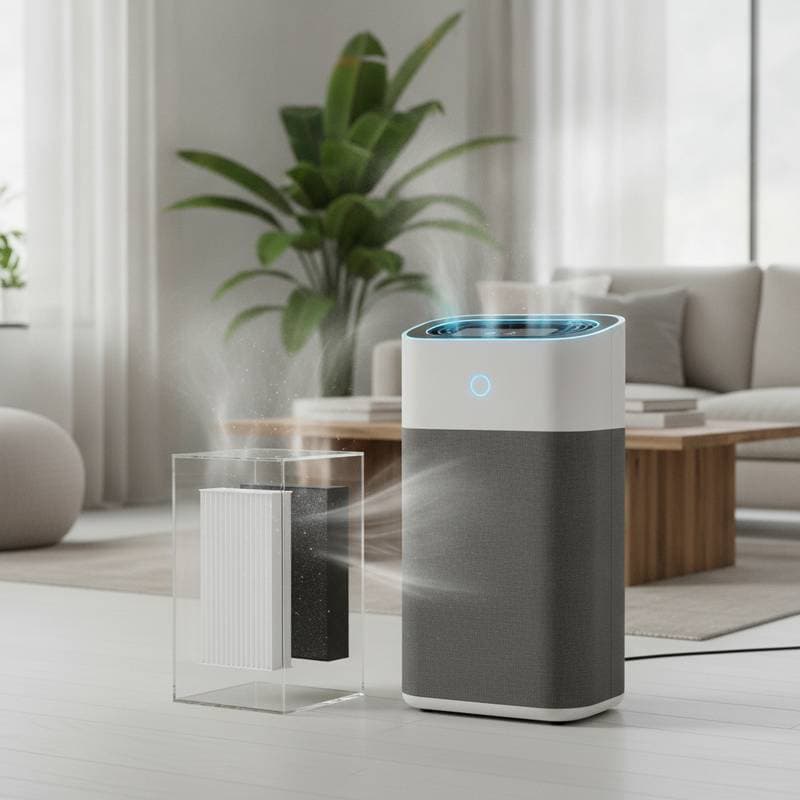
At their core, ionization-free purifiers use simple and proven technology: mechanical filtration. The most common designs include HEPA filters, activated carbon layers, and sometimes UV or photocatalytic components for targeted sterilization.
HEPA filters capture particles as small as 0.3 microns with high efficiency. Dust, pollen, pet dander, and even some bacteria get trapped in the dense fiber weave. Activated carbon goes after gases and odors by absorbing volatile organic compounds from paint, cleaning products, and cooking. Together these systems physically remove contaminants without adding anything harmful back into the environment.
This kind of purification is passive but powerful. It mirrors how natural processes like rain or gravity clean the air outdoors. Nothing artificial is introduced, and there is no chemical reaction that could create secondary pollutants.
The Problem with Ozone Purifiers
Many ozone-based purifiers claim to neutralize odors and kill microorganisms. The idea sounds scientific, yet the execution is risky. Ozone reacts with organic materials, including those in your lungs. Even at low concentrations it can cause coughing, throat irritation, and chest discomfort. Prolonged exposure can worsen chronic respiratory issues.
Inside a home, ozone does not stay confined to the purifier chamber. It interacts with fabrics, plastics, and furniture finishes and breaks them down over time. That clean smell some users report is actually a chemical reaction taking place on household surfaces.
In small spaces or homes with limited ventilation, ozone levels can build up quickly. Opening windows helps, but that defeats the purpose of running a purifier in the first place. The risk is especially high in bedrooms, nurseries, or apartments where airflow is restricted.
Real-World Experience With Cleaner Air
When an old ionizing purifier in the living room was replaced with a sealed HEPA model, the difference was immediate. The previous unit left a faint sharp odor that was mistaken for freshness. Within a week of switching, that scent disappeared and was replaced by neutral, genuinely clean air. Dust settled more slowly, and seasonal allergies eased noticeably.
Indoor ozone levels were later measured using a home air quality monitor. The ionizing purifier had slightly elevated readings, while the new model registered zero. That simple change made the air not only feel better but also safer to breathe every day.
Key Functional Differences
- Particle Removal vs. Chemical Reaction: Ionization-free purifiers trap pollutants. Ozone and ionizing models transform them, creating new compounds that can irritate lungs or damage surfaces.
- Maintenance and Longevity: Mechanical filters require replacement, typically every few months depending on usage, which ensures consistent performance. Ozone models may degrade internal components faster because of the gas corrosive nature.
- Safety Profile: Ionization-free systems are safe for continuous use in occupied spaces. Ozone purifiers often carry warnings to run only in unoccupied rooms, a clear sign they are not meant for daily living environments.
- Energy and Noise Levels: Modern HEPA purifiers operate quietly and efficiently. Ionizing models can emit faint clicking or buzzing sounds as they charge particles. Ozone generators may need higher power settings to maintain concentration, increasing energy use.
Health Considerations That Matter
Respiratory specialists consistently recommend avoiding exposure to ozone, especially for children, older adults, and anyone with asthma or allergies. Even short exposures can cause inflammation of the airway lining. By contrast, ionization-free purifiers support respiratory health by removing irritants and allergens rather than producing new ones.
For households with pets or smokers, these filters handle the toughest odors and fine particles without masking them. The air feels lighter because it is genuinely filtered, not chemically altered.
Design and Aesthetic Benefits
Beyond performance, ionization-free purifiers often integrate better into modern interiors. Sleek models feature compact forms and replaceable outer shells in neutral colors. They look intentional, not industrial.
Because they do not emit ozone, they can safely sit near upholstered furniture, curtains, or art without risk of fading or degradation. You can place them close to where you actually live, not tucked away in a corner.
In smaller apartments, portability matters. Lightweight HEPA units can move easily from bedroom to kitchen, adapting to daily life without fuss. Ozone systems, by contrast, often require isolation or dedicated spaces.
Environmental and Sustainability Context
Choosing an ionization-free purifier also supports sustainable living. Ozone and ionizing models may claim low filter waste, but they often shorten the lifespan of materials in your home. Furniture, fabrics, and even electronics can degrade faster under constant ozone exposure.
HEPA and carbon filters are replaceable, and many manufacturers now offer recyclable or biodegradable versions. By maintaining these filters on schedule, you extend the purifier lifespan and reduce the need for frequent replacements.
Some models even include washable pre-filters that capture large debris like hair or lint, cutting down on disposable waste. Combining these layers with energy-efficient fans creates a system that quietly supports both your health and the environment.
Cost and Value Over Time
At first glance, ionization-free purifiers may seem more expensive because of filter replacements. Yet over time they save money by preventing damage to household materials and reducing health-related costs. A well-maintained HEPA filter ensures consistent performance, while ozone units often lose efficiency as components corrode.
The true value lies in reliability. You know exactly what your purifier is doing: capturing pollutants, not creating new ones. That predictability is worth far more than the illusion of active cleaning that ozone generators promote.
Smart Features Without the Risks
Modern ionization-free purifiers now include smart sensors, app connectivity, and auto-adjusting fans. These upgrades make maintenance easier while preserving the core principle of safe filtration. Some even display real-time air quality data, so you can see when to change filters or when to boost ventilation naturally by opening a window.
These features bring peace of mind, especially for families who want to monitor air quality for children or elderly relatives. You can set schedules, track performance, and even compare pollutant levels after cooking or cleaning. The information empowers better daily habits, all without exposing anyone to reactive gases.
When to Use Ionization-Free Purifiers
Ideal situations include homes with pets or allergy sufferers, apartments with limited ventilation, bedrooms or nurseries where people spend long hours, workspaces where concentration and comfort matter, and older homes with lingering odors or dust circulation. In each of these settings, consistent and quiet filtration improves comfort and health without introducing any new variables. You can run the purifier day and night, knowing the air remains safe.
Common Misconceptions
Ozone purifiers destroy all bacteria and viruses. Ozone can inactivate some microorganisms, but only at concentrations far higher than what is safe for humans. At realistic household levels, the effect is negligible.
Ionizers make air smell fresh, so they must work. That fresh scent is ozone reacting with organic compounds, not a sign of cleanliness. True clean air has little to no odor.
HEPA filters are expensive to maintain. Replacement filters vary in price, but most last several months. When balanced against reduced allergy medication or fewer respiratory issues, they are cost-effective.
Selecting Your Purifier
Switching to an ionization-free purifier is a simple upgrade with lasting benefits. The absence of sharp odors, the steady hum of a quiet fan, and the visible reduction in dust all signal a healthier environment. It is an improvement you can feel and measure.
Over time these changes influence how you interact with your home. You open windows more often because the air feels worth circulating. You clean less frequently because dust no longer settles as fast. You breathe differently, with confidence instead of caution.
If you are replacing an old purifier, consider starting with a mid-range HEPA model equipped with activated carbon. Look for certifications from independent testing bodies and check that the unit is verified ozone-free. Once installed, schedule filter changes on your calendar just as you would any other home maintenance task.