
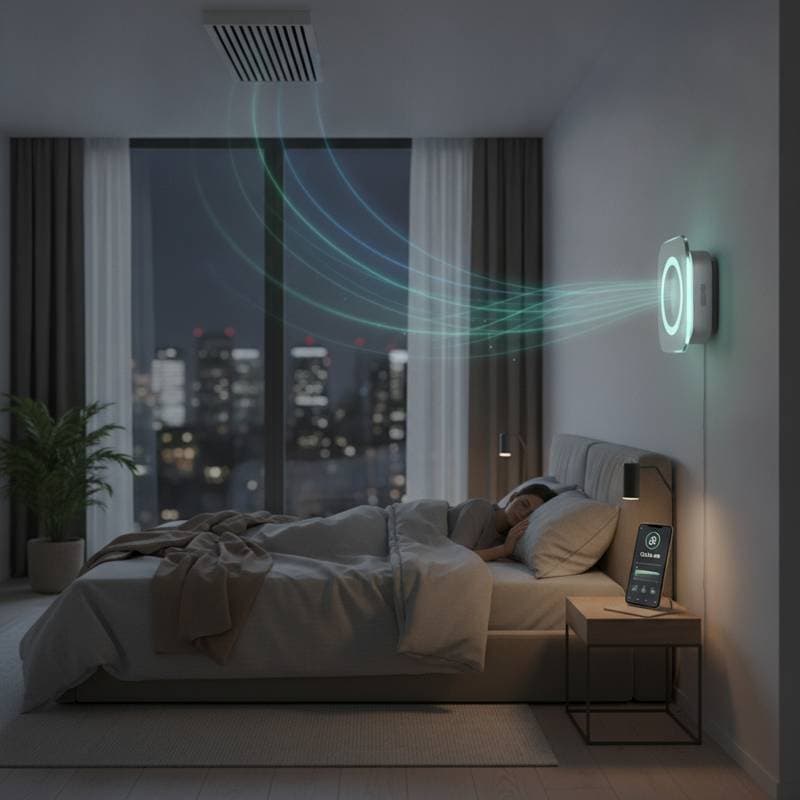
Smart VOC Sensors Trigger Automatic Home Ventilation
A home should be a place where you breathe easily, relax deeply, and feel safe. Yet many people unknowingly live with unseen pollutants that affect comfort and health. Volatile organic compounds, or VOCs, are among the most common culprits.
These invisible gases release from paints, cleaning products, furniture, and even everyday activities like cooking or burning candles. The solution is not to stop living normally but to design smarter homes that respond instantly when air quality dips. Smart VOC sensors paired with automatic ventilation systems make that possible.
Why VOCs Matter More Than You Think
VOCs are emitted by hundreds of household materials. Freshly painted walls, a new rug, or a scented candle can all emit VOCs into indoor air. In small amounts, these compounds are harmless, but when they build up in closed spaces, they can trigger headaches, fatigue, or irritation.
Modern homes are built to be airtight for energy efficiency, which means less natural airflow. While that helps with heating and cooling costs, it also traps pollutants inside. VOC sensors make a measurable difference by addressing this issue directly.
How Smart VOC Sensors Work
A VOC sensor detects the concentration of volatile organic compounds in the air. When levels rise beyond a healthy threshold, the sensor signals the home ventilation system to increase airflow automatically. The process happens in real time, without the homeowner needing to open windows or guess when the air feels stale.
These sensors often use metal oxide semiconductor technology or photoionization detection. The sensor measures how much the electrical resistance of a special film changes as it reacts with airborne molecules. Some advanced models combine VOC detection with temperature, humidity, and carbon dioxide monitoring for a more complete picture of indoor conditions.
Everyday Scenarios That Prove Their Worth
The benefit of a smart ventilation system lies in how quietly it improves daily life. Imagine cooking dinner for friends. As onions sizzle and oil heats, the VOC sensor notices the increase in airborne compounds. Without any manual action, the ventilation fan ramps up and clears the air before odors linger.
Picture a small home office where hours pass while printing documents and using adhesive labels. The ventilation system adjusts automatically and keeps the space fresh even on busy days. For families with children or pets, these sensors can make a noticeable difference in comfort, especially in rooms that tend to trap smells or moisture.
Integrating Sensors into Home Ventilation Systems
There are several ways to connect VOC sensors with ventilation. In a new build, the sensor can be wired directly into a whole house ventilation unit such as a heat recovery ventilator or energy recovery ventilator. In existing homes, standalone smart sensors can communicate wirelessly with compatible exhaust fans or smart home hubs.
Installation tips:
- Placement matters. Install sensors where VOCs are likely to accumulate, such as kitchens, bathrooms, or near workspaces that use paints or adhesives.
- Avoid direct drafts. Keep sensors away from open windows or vents that could skew readings.
- Regular calibration. Some devices self calibrate, but periodic checks ensure accurate readings.
- Smart integration. Connect the sensor to your home automation system for coordinated control with thermostats and lighting.
An HVAC technician can easily retrofit many existing systems. Even renters can benefit from plug in air quality monitors that signal portable purifiers or window fans when needed.
The Technology Behind the Scenes
Most VOC sensors measure parts per billion of various compounds and then translate that data into an indoor air quality score. The sensor sends this information to the ventilation controller or a mobile app. Some systems display real time graphs so you can see patterns over days or weeks.
When linked to a smart home platform, the system can create if then automations. For instance, if VOC level exceeds 300 parts per billion, turn on bathroom fan. This type of control ensures that ventilation runs only when needed and saves energy compared to systems that operate on a timer.
Balancing Fresh Air and Efficiency
Automatic ventilation triggered by VOC sensors supports sustainability as well as comfort. Running a fan continuously wastes power, but cycling it on demand conserves energy. The system reacts only when air quality actually requires it.
Some advanced models modulate fan speed rather than simply turning it on or off. This means air exchanges happen gradually and maintain a steady indoor environment instead of creating sharp temperature swings. The result is a home that feels fresher without the sensation of drafts or noise associated with constant ventilation.
Real World Applications
Compact Urban Apartment
Location: City center, high rise building
Square footage: 540 square feet
Approach: DIY integration using smart VOC sensor and window fan
Budget range: Low to moderate
Before: The resident, a graphic designer working from home, struggled with lingering odors from cleaning products and art materials. Opening windows helped but let in street noise and dust.
After: A compact VOC sensor connected via Wi Fi to a window mounted ventilation fan transformed the experience. When the sensor detects elevated VOCs, the fan runs for a preset duration, then shuts off automatically. The designer notes that the apartment now feels lighter and that headaches from paint fumes have vanished.
Family Home Renovation
Location: Suburban home with attached garage
Square footage: 1,800 square feet
Design team: Local HVAC contractor with smart home integration
Budget range: Moderate
Before: The family complained of musty smells near the garage entry and inconsistent air freshness throughout the day.
After: The contractor installed VOC sensors in the kitchen, garage, and living area, connecting them to an energy recovery ventilator. The system now adjusts airflow automatically based on readings. The homeowner explains that the air feels cleaner and that the house breathes with the family.
Design Details That Make the Difference
- Sensor finish. Many models come in matte white or brushed aluminum and blend into walls like a thermostat.
- Display options. Some show live readings with colored lights, while others rely on app notifications.
- Maintenance. Filters in the ventilation system should be replaced every few months to maintain efficiency.
- Smart home compatibility. Works well with platforms like Google Home or Apple HomeKit for voice control.
- Budget friendly alternative. Portable units with built in fans can serve small apartments or single rooms without professional installation.
Understanding What the Numbers Mean
VOC sensors usually display results in parts per billion. Healthy indoor air typically measures below 250 parts per billion. When readings climb above 500 parts per billion, it may signal the need for ventilation. High spikes often follow activities like painting, cleaning, or cooking.
Many devices also calculate a composite air quality index that considers humidity, temperature, and carbon dioxide levels. This broader perspective helps fine tune ventilation and even influences how efficiently a home maintains comfort.
Why Automatic Response Matters
Manual ventilation depends on human awareness. You might forget to run the fan after cleaning or cooking, or you might underestimate how long the air needs to clear. Automatic systems remove that uncertainty. They react faster and more consistently, which prevents pollutants from building up.
This is especially valuable for families with young children, elderly members, or anyone sensitive to allergens or chemical odors.
Cost Considerations and Long Term Value
A standalone VOC sensor suitable for a single room can start at a modest price, while advanced systems integrated with HVAC controls may cost more. The key is to match the solution to your living situation. A renter might prefer a portable sensor and smart plug combination, while a homeowner planning a remodel can include full ventilation integration.
The long term value lies not only in healthier air but also in lower energy bills. Because systems operate only when needed, they use less electricity than constant ventilation setups. They also extend the life of filters and reduce wear on fans.
Maintenance and Reliability
Like any electronic device, VOC sensors benefit from regular care. Wipe them gently with a soft cloth, avoid exposure to moisture, and check for firmware updates through the manufacturer app. Some models recalibrate automatically, while others may require a reset after a few months. Ventilation filters should be inspected regularly to maintain airflow efficiency.
Practical Steps for Implementation
You do not need to overhaul your entire HVAC system to start improving indoor air quality. Here are three realistic ways to adopt VOC monitoring.
- Entry level. A plug in air quality monitor with color coded lights alerts you when to open a window.
- Mid range. A smart sensor linked to a portable fan or purifier. It turns on automatically when VOCs rise.
- Full integration. Whole home ventilation connected to multiple sensors that communicate through your smart home network.
Each step builds on the previous one, so you can expand over time as your budget and needs evolve.
Long Term Benefits of Responsive Ventilation
The real success of any home improvement lies in how it fits your life. A smart VOC sensor is not just a gadget. It is a quiet partner that helps you maintain a space where you can breathe, think, and live comfortably. Whether you rent a studio apartment or own a large family home, clean air should never be a luxury.
Small changes add up quickly. A single sensor can teach you about your home habits and help you make smarter choices about ventilation, cleaning products, and even furniture materials. When you see how the system responds, you build awareness and confidence in managing your indoor environment.
The best part is that this technology works invisibly. You will not hear it, and you rarely need to adjust it. Yet every breath feels easier. Smart design is not just about what looks good. It is about what feels right day after day.