
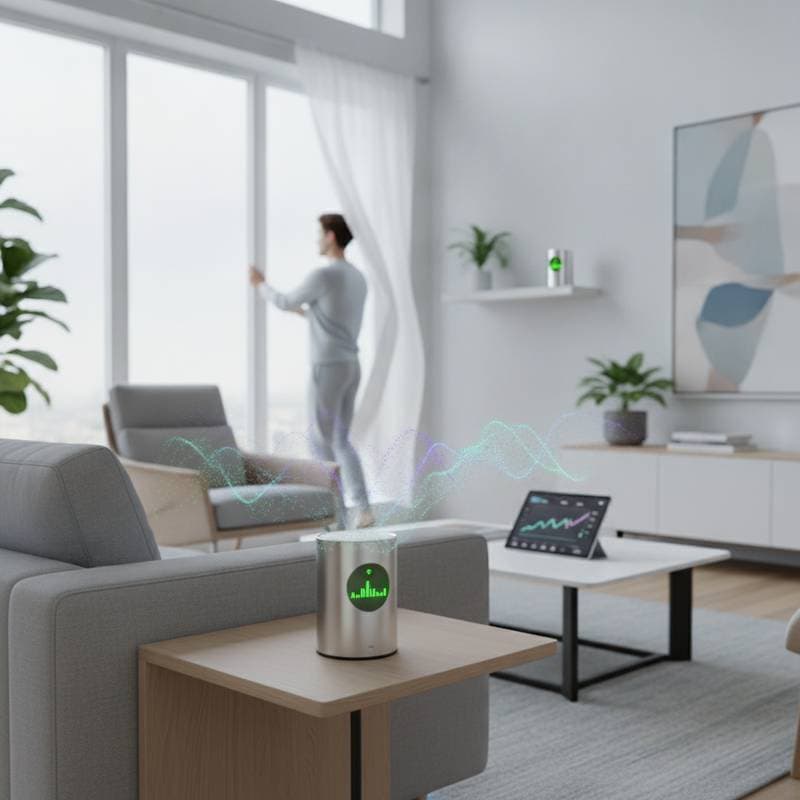
Monitoring Indoor Air with VOC Sensors
You can now track what is in your indoor air with the same ease you check the weather. The rise of affordable VOC sensors means you can spot invisible pollutants before they affect your health. Many homes still trap airborne chemicals from paint, furniture, and cleaning products without any visible sign.
Today you will learn how VOC sensors work, what they detect, and how to use them to keep your air cleaner. Sensors help you monitor air quality, yet they do not replace proper ventilation or safe product choices.
Understanding VOCs and Their Sources
Volatile Organic Compounds, or VOCs, are gases that come from everyday products such as paints, adhesives, and air fresheners. In high levels they can irritate eyes, throat, and lungs. VOC sensors detect these gases and report their concentration in real time. Always place sensors away from vents or direct sunlight, which can distort readings.
Common sources include paints, sealants, varnishes, cleaning sprays, scented candles, and even permanent markers. Short-term exposure can cause eye or throat irritation. Long-term exposure may worsen allergies or asthma. Modern homes are better sealed for energy efficiency, so trapped gases can build up without enough air exchange.
Selecting the Right Tools
- VOC sensor or monitor with digital display or smart app
- Power source such as wall plug or batteries depending on model
- Cleaning cloth for sensor vents
- Notebook or phone app to log readings and note changes
- Optional small fan or air purifier for response testing
Step-by-Step Setup and Use
-
Pick the Right Sensor. Choose a model labeled for total VOCs or specific gases such as formaldehyde. Look for one that lists detection range in parts per billion or parts per million. Avoid devices that do not specify measurement units.
-
Unpack and Calibrate. Let the sensor sit in a clean, open area for at least 20 minutes before turning it on. This stabilizes its baseline reading. Check the manual for any calibration button or process.
-
Place the Sensor Correctly. Set the sensor at breathing height, about three to five feet above the floor. Keep it a few feet from windows, doors, or vents. Avoid placing it near cooking areas or candles during setup.
-
Record Initial Readings. Turn on the sensor and note the first readings. Record the average after an hour. This is your baseline level for that room.
-
Test Air Changes. Open a window or run an exhaust fan for ten minutes. Watch how readings drop. Then close windows and use an air freshener or clean a surface to see how readings rise.
-
Identify Sources. If one room shows consistently higher levels, check for new furniture, adhesives, or stored chemicals. Move items outdoors or improve ventilation if levels stay high.
-
Track Over Time. Log readings at the same time each day for a week. This helps you see patterns linked to cleaning, cooking, or weather. Many smart sensors create automatic graphs through connected apps.
-
Adjust Ventilation and Habits. Use your data to guide action. If levels rise during cleaning, switch to low-VOC products. If numbers increase overnight, add a small fan or crack a window slightly.
-
Clean and Maintain. Wipe dust off the sensor vents once a month. Replace filters or batteries as directed.
Dos and Don’ts
Dos
- Compare readings between rooms to locate problem areas.
- Ventilate after painting, gluing, or using strong cleaners.
- Research safe product labels that mention low-VOC or no added formaldehyde.
- Keep records of readings before and after changes to verify improvement.
Don’ts
- Do not assume zero VOCs means perfect air. Sensors may not track all pollutants.
- Do not block sensor vents or tape them to walls.
- Do not spray air fresheners near the sensor.
- Do not ignore persistent high readings.
When to Consult a Professional
If your sensor shows consistently high readings even after ventilating and removing possible sources, consult an indoor air quality specialist. Professionals use calibrated instruments to identify specific compounds and sources. Call a pro if you suspect structural issues such as mold behind walls, chemical leaks from flooring adhesives, or malfunctioning HVAC systems.
Cost and Maintenance Overview
Basic VOC sensors start around a modest price range and can reach several hundred for advanced models with smart connectivity. Setup takes less than an hour. Ongoing checking adds just a few minutes daily or weekly.
- Monthly: Dust the vents with a soft cloth.
- Quarterly: Recheck calibration if your model allows it.
- Annually: Replace filters or batteries if required.
- Repeat sooner if readings become erratic or unresponsive.
How VOC Sensors Detect Gases
A VOC sensor uses a sensitive element that reacts when gas molecules contact it. The reaction changes the electrical resistance in the sensor, which the device converts to a concentration reading. Most consumer models use metal oxide semiconductors. Some higher-end devices use photoionization, which measures how easily gases absorb ultraviolet light.
These sensors do not measure one single gas. They detect a collective response to many volatile compounds, which makes them useful for trend tracking rather than exact chemical identification. The readings reflect how active or dense the overall gas mix is at a given moment.
Placing Multiple Sensors for Coverage
If your home has more than one main living space, using several sensors gives a clearer picture. Start with one in the bedroom and another in the living area. Large open homes might need one near the kitchen too. Connect them through a shared app if possible so you can see patterns across zones.
Interpreting Readings and Taking Action
VOC readings can fluctuate hour by hour. Morning cooking, evening cleaning, or temperature changes can each shift numbers. A steady baseline with short spikes is normal. Continuous high readings suggest a source that keeps releasing gas.
Once you have identified trends, use simple corrections. Increase ventilation by opening windows or running fans. Use activated carbon filters to absorb many organic compounds. Choose low-VOC materials with third-party certifications. Keep humidity around 40 to 50 percent. Store chemicals properly in a garage or shed.
Connecting Sensors to Smart Systems
Modern smart home systems often include VOC monitoring as part of air quality modules. Connected devices can trigger air purifiers or fans automatically when levels rise. If you connect your sensor to a voice assistant or home app, review privacy settings to control data sharing. Check that alerts are set to realistic thresholds.
Avoiding Common Placement Errors
Many users misread short spikes as serious danger. A single spray of cleaner or burst of cooking smoke can trigger a temporary rise. Wait at least ten minutes before reacting. Another common mistake is leaving the sensor too close to a window where outdoor air may skew readings. Always place it in a typical breathing zone that reflects how you actually live in the space.
Sustaining Better Indoor Air Quality
Consistent monitoring combined with targeted ventilation and product choices leads to measurable improvements in daily air quality. Small, repeated adjustments based on sensor data deliver lasting benefits for household health.