
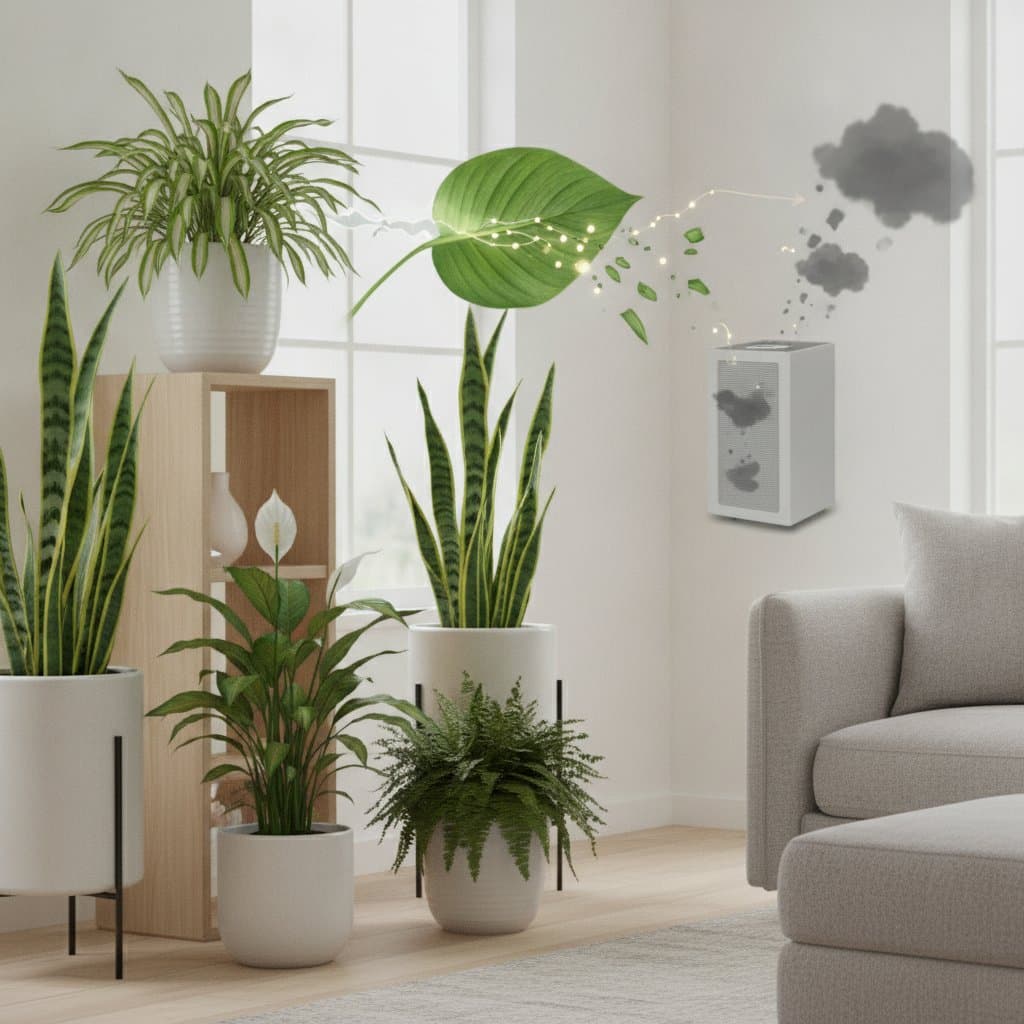
VOC-Eating Plants That Clean Air Better Than Filters
We all want to breathe easier at home. Yet the air inside can often be more polluted than the air outside. Volatile organic compounds, or VOCs, are invisible gases that off-gas from furniture, paints, cleaners, and even scented candles. These compounds can irritate the lungs, trigger headaches, and lower overall air quality.
Air purifiers help, yet they do not always remove the full range of toxins. Some houseplants naturally absorb VOCs through their leaves and roots. They filter the air in ways even high-end machines struggle to match. Bringing these plants into your home offers a low-cost, beautiful, and sustainable way to improve indoor air.
The Best VOC-Eating Plants for Everyday Homes
Every home and budget can benefit from cleaner air. The following plants are accessible, resilient, and proven to remove a variety of common indoor pollutants. Each one brings its own personality, care level, and purification specialty.
1. Spider Plant (Chlorophytum comosum)
The spider plant is the classic beginner choice for good reason. It thrives in bright, indirect light and forgives occasional neglect. This plant excels at removing formaldehyde and xylene. Both chemicals are frequently released from flooring, adhesives, and cleaning products. The long, arching leaves send out baby offshoots that can be easily propagated.
Care tip: Keep the soil slightly moist. Trim any brown tips to encourage fresh growth. A 6-inch pot is ideal for small spaces. Hanging baskets allow leaves to cascade beautifully in larger rooms.
2. Peace Lily (Spathiphyllum wallisii)
Peace lilies are lush, flowering plants that bring elegance and serious purification power. They are known to absorb benzene, trichloroethylene, and formaldehyde. The glossy green leaves and white blooms also raise humidity levels. This helps soothe dry indoor air.
Care tip: Peace lilies prefer low to medium light and evenly moist soil. Avoid direct sunlight, which can scorch the leaves. One medium plant per 100 square feet provides noticeable benefits in a standard living room.
3. Snake Plant (Sansevieria trifasciata)
Also known as mother-in-law tongue, the snake plant is almost indestructible. It tolerates low light, irregular watering, and temperature fluctuations. It removes formaldehyde, xylene, and nitrogen oxides. This makes it ideal for bedrooms and offices. Because it releases oxygen at night, it improves sleep quality.
Care tip: Use a well-draining potting mix and let the soil dry between waterings. A tall, narrow pot suits its upright shape and saves floor space.
4. Boston Fern (Nephrolepis exaltata)
This feathery plant is one of the best natural humidifiers. It excels at removing formaldehyde and xylene. It prefers high humidity, making it perfect for bathrooms or kitchens. When placed near a shower or sink, it thrives with minimal fuss.
Care tip: Mist regularly and keep the soil consistently damp. Re-pot once a year in a rich, peat-based mix to maintain nutrient balance.
5. English Ivy (Hedera helix)
English ivy is a hard-working climber that absorbs benzene, toluene, and formaldehyde. It adapts to hanging baskets or trailing shelves and grows quickly in moderate light. This makes it a flexible choice for renters who want greenery without major investment.
Care tip: Allow the top inch of soil to dry out before watering again. Trim long vines to encourage fuller growth and prevent tangling.
6. Rubber Plant (Ficus elastica)
The rubber plant broad, glossy leaves absorb toxins efficiently while adding a sculptural touch to interiors. It handles formaldehyde particularly well. This makes it useful in spaces with new furniture or carpeting. Its height, often reaching over 3 feet indoors, gives visual presence in corners or next to windows.
Care tip: Provide bright, indirect light and water when the top two inches of soil are dry. Wipe leaves regularly to remove dust. This allows maximum surface area for VOC absorption.
7. Aloe Vera (Aloe barbadensis miller)
Aloe vera is not only a healing plant for skin but also a quiet air purifier. It removes formaldehyde and benzene while thriving on neglect. Its compact form suits desks, kitchen windows, and small apartments.
Care tip: Use cactus soil, water deeply but infrequently, and ensure plenty of light. Overwatering is the only real danger.
8. Golden Pothos (Epipremnum aureum)
Known as devil ivy, this vine grows quickly even in low light. It removes formaldehyde, xylene, and toluene. It spreads gracefully across shelves or hanging planters. It is a favorite for renters because it grows easily from cuttings.
Care tip: Let the soil dry slightly between waterings. In bright conditions, the leaves become more variegated, adding visual texture.
Creating a Natural Air Purification System
The secret to effective air purification with plants is scale and diversity. One or two plants look lovely. Multiple species working together clean more efficiently. Research suggests having a medium-sized plant every 100 square feet for noticeable results. In a small apartment, that might mean three to five pots spread across different rooms.
Placement matters. Keep plants near pollution sources when possible. A peace lily near the printer, a snake plant by the bed, or a pothos in the kitchen all target specific areas. Use a mix of floor plants, hanging planters, and tabletop varieties to create vertical layers that maximize surface area and airflow.
Soil health plays an important role too. The microorganisms around plant roots help break down VOCs. Use organic potting soil and avoid chemical fertilizers that compromise microbial life. Occasionally adding compost tea or worm castings boosts the soil vitality and keeps the ecosystem balanced.
Lighting also influences purification. Even low-light species need some natural or artificial light to perform photosynthesis. If your home lacks sunlight, consider using full-spectrum LED grow bulbs. They consume little energy and help plants stay active year-round.
Budget-Friendly Ways to Build Your Green Filter
You do not need to spend heavily to create an effective plant-based purification system. Many of the best VOC eaters are inexpensive and easy to propagate. A single spider plant can produce dozens of baby plants that root in water within a few weeks. English ivy cuttings grow just as easily.
Check local plant swaps, community markets, or online neighborhood groups for free or low-cost cuttings. Thrift stores often carry used pots that can be cleaned and repurposed. For soil, blend equal parts compost, coco coir, and perlite for a nutrient-rich, breathable mix at a fraction of store prices.
If you are short on floor space, use wall-mounted planters or DIY shelves near windows. Even a vertical garden of three small pots can make a measurable difference in air quality.
Living with Your Green Air Cleaners
Once you have set up your indoor purification garden, the benefits go beyond cleaner air. Plants invite calm and mindfulness. They encourage you to slow down, notice growth, and care for your environment. Many homeowners describe feeling an almost immediate shift in mood and focus once greenery enters the room.
Sustaining Your Indoor Ecosystem
Clean air should never feel like a luxury. With a few thoughtful choices, anyone can create a home that supports health, beauty, and sustainability. Start small with one or two of the hardiest plants. Then expand as your confidence grows. Combine species that suit your lifestyle and match your aesthetic.
Each plant becomes part of your story. Together they create a living system that quietly protects and nourishes you. In time, you will notice fresher air, calmer energy, and a stronger connection to your surroundings.