
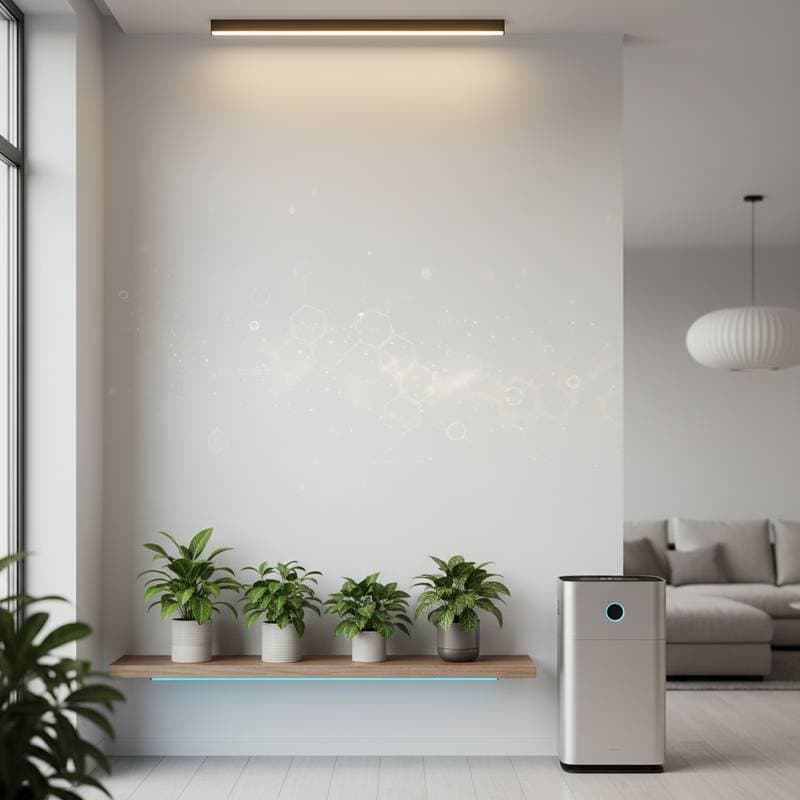
Breathe Pure Air: The Natural Purification Power of Photocatalytic Paint
Fresh indoor air begins with innovative solutions right on your walls. Photocatalytic paint harnesses light and mineral reactions to diminish common pollutants and odors, leading to reduced accumulation of harmful particles. This approach promotes a healthier living environment without relying on mechanical filters alone.
This comprehensive guide details the science behind the technology, step-by-step application instructions, and strategies to sustain its effectiveness over time. Whether you seek to combat volatile organic compounds from furniture or cooking fumes, understanding this paint empowers you to make informed choices for your space.
Before starting any project, assess your walls for issues like dampness or poor sealing. Address these concerns first, as excess moisture can hinder the photocatalytic process that cleans the air.
Essential Tools and Materials
Gather these items to ensure a smooth application process:
- Photocatalytic interior paint formulated for air purification
- High-quality roller with an extension pole and matching tray
- Painter's tape for clean edges
- Durable drop cloths to protect floors and furniture
- Mild detergent, sponge, and bucket for surface preparation
- Wooden stir stick for thorough paint mixing
- Nitrile gloves and safety glasses for personal protection
- Angled soft brush for precise trimming around edges and corners
If photocatalytic paint proves difficult to source locally, consider a mineral-based base coat enhanced with titanium dioxide additives. While this option delivers partial pollutant reduction, it falls short of the complete purification capabilities of dedicated formulas.
Step-by-Step Application Guide
Preparation Phase
Begin by clearing the room of furniture and covering remaining items with drop cloths. Clean walls thoroughly using a mild detergent solution and a soft sponge to remove dust, grease, or residue. Rinse with clean water and allow surfaces to dry completely, typically overnight. This step ensures the paint adheres properly and the photocatalytic reaction functions optimally.
Apply painter's tape along baseboards, ceilings, and fixtures to achieve crisp lines. Test the paint on a small, inconspicuous area to confirm compatibility with your wall material, such as drywall or plaster.
Painting Process
Stir the paint thoroughly to distribute the titanium dioxide particles evenly. Pour a manageable amount into the tray and load the roller evenly, avoiding drips. Start with broad, vertical strokes from top to bottom, then roll horizontally to fill in gaps for uniform coverage.
Apply the first thin coat, focusing on even distribution rather than thickness. Allow it to dry according to manufacturer guidelines, usually 2 to 4 hours. Follow with a second thin coat using the same technique, which enhances both aesthetics and purification efficiency.
Use the angled brush for edges, corners, and areas the roller cannot reach. Work in well-ventilated spaces and maintain consistent room temperature between 50 and 80 degrees Fahrenheit to promote proper drying.
Curing and Activation
After the final coat, permit the paint to cure for 24 to 48 hours before reintroducing furniture. The photocatalytic effect activates upon exposure to light, so position supplemental lamps if natural light is limited. Full performance builds over the first week as the surface settles.
Key Dos and Don'ts for Optimal Results
Recommended Practices
- Apply paint only to clean, dry surfaces in areas with adequate lighting to support the reaction.
- Opt for two thin coats over a single heavy layer to maximize contact with air and light.
- Ventilate the space during application and drying to disperse fumes and accelerate the process.
- Clean walls periodically with mild soap and water to remove surface dust without compromising the mineral layer.
- Consult product labels to verify suitability for specific wall types, including textured or previously painted surfaces.
Practices to Avoid
- Refrain from covering the painted surface with wallpaper, vinyl, or heavy drapes, as these obstruct light and halt purification.
- Steer clear of harsh acidic cleaners, which erode the titanium dioxide structure essential for catalysis.
- Avoid installation in completely dark or windowless rooms unless artificial UV or visible light sources are provided continuously.
- Do not blend photocatalytic paint with conventional formulas unless explicitly approved by the manufacturer to prevent reaction interference.
- Recognize that this paint complements, but does not substitute for, high-quality air filtration systems in high-pollution environments.
Cost and Time Considerations
Photocatalytic paint typically costs 40 to 80 dollars per gallon, varying by brand, quality, and coverage area. A standard 12 by 12-foot room requires approximately two gallons for dual coats, accounting for waste and touch-ups. Additional supplies such as rollers, tape, and protective gear contribute another 20 to 50 dollars.
Allocate 4 to 6 hours for preparation and painting a medium-sized room, plus 1 to 2 days for drying and curing. Factors influencing total time include wall surface area, existing condition, and ambient humidity levels. Natural light availability affects long-term efficacy but not initial application duration.
Budget-conscious shoppers may find value in bulk purchases or eco-friendly brands that offer similar performance at lower prices. Compare coverage rates, as some formulas purify more effectively per square foot.
The Science Behind the Purification
Materials chemist Dr. Lena Fischer from AirPure Labs describes titanium dioxide as a powerful photocatalyst. Exposure to light, whether natural sunlight or artificial sources, energizes the mineral to initiate oxidation. This process converts volatile pollutants, including formaldehyde from new furnishings and nitrogen oxides from traffic infiltration, into harmless byproducts like carbon dioxide and water vapor.
Unlike absorbent materials that saturate over time, this paint facilitates a self-renewing cycle. As long as light reaches the surface and air circulates freely, the reaction persists indefinitely. Studies indicate reductions in indoor volatile organic compounds by up to 50 percent in treated spaces, enhancing overall comfort and respiratory health.
The technology draws from environmental engineering principles, originally developed to clean outdoor structures like buildings in polluted cities. Adapting it for interiors provides accessible air quality improvement without complex installations.
Understanding Limitations
Photocatalytic paint enhances air quality gradually and excels against gaseous pollutants rather than instantaneous heavy contamination. Integrate it into a holistic strategy that incorporates mechanical ventilation, routine dusting, and selection of low-emission products to address diverse indoor challenges.
Frequent sources of combustion, such as gas appliances, candles, or incense, demand supplementary exhaust systems to handle particulate matter and smoke. This paint targets chemical vapors effectively but offers limited action against physical allergens like pollen, dust mites, or pet dander, which require filtration or allergen-proof barriers.
In high-humidity areas like bathrooms, ensure proper sealing to prevent mold interference with the catalyst. Regular maintenance preserves efficacy, but repainting every 5 to 7 years restores full potential as surface wear occurs.
Sustain Cleaner Air in Your Home
Once installed, photocatalytic paint operates seamlessly without daily intervention. Residents often report subtler improvements, such as diminished cooking smells or reduced chemical scents from cleaners, fostering a fresher ambiance. Its longevity mirrors that of premium latex paints, resisting fading and chipping under normal conditions.
Pair it with energy-efficient LED lighting that emits in the visible spectrum to boost activation, or smart ventilation systems that cycle fresh air periodically. These combinations amplify benefits, creating a low-effort ecosystem for sustained indoor purity. Embrace this technology to elevate your living spaces toward healthier, more vibrant daily experiences.