
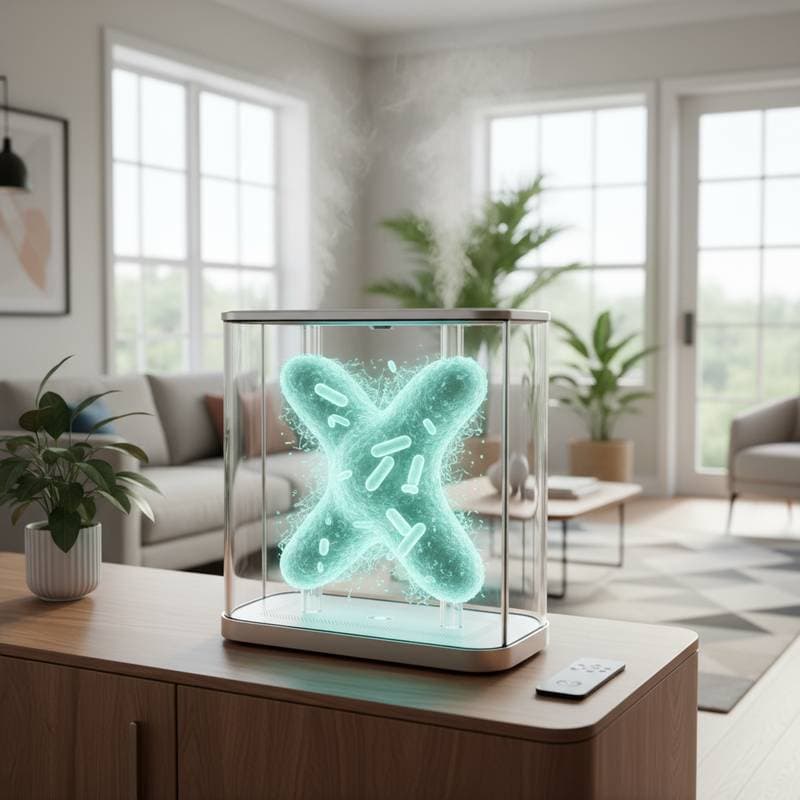
Probiotic Filters Revolutionize Indoor Air Purity
Homeowners now have access to an innovative solution for air purification: filters populated with living beneficial bacteria. This approach eliminates the need for chemical treatments or cumbersome equipment, resulting in air that feels fresher and supports overall health.
Traditional air filters excel at capturing visible dust yet often overlook microscopic biological contaminants like mold spores and bacteria. Probiotic filters address this gap by actively combating these threats through biological means.
This guide explains the mechanics of probiotic filters, outlines essential maintenance practices, and identifies scenarios requiring expert intervention. Note that these filters complement, rather than substitute, proper ventilation and dust management strategies within a comprehensive air quality regimen.
Essential Knowledge on Probiotic Air Filters
Probiotic air filters incorporate live beneficial bacteria designed to neutralize harmful microbes and break down organic pollutants in indoor environments. By emulating the microbial balance found in natural outdoor settings, these filters foster a healthier indoor ecosystem.
Bacteria within the filter require consistent environmental conditions to function effectively. Maintain temperatures between 65 and 75 degrees Fahrenheit and humidity levels at 40 to 60 percent to ensure bacterial viability. Steer clear of harsh chemical cleaners in proximity, as they may disrupt the microbial colony and diminish filtration performance.
Required Tools and Materials
Prepare the following items for successful installation and upkeep:
- A probiotic air filter or compatible insert suited to your HVAC system or portable purifier
- Vacuum cleaner equipped with a hose attachment for gentle debris removal
- Soft brush or microfiber cloth for surface cleaning
- Mild, pH-neutral soap diluted in water for housing maintenance
- Disposable gloves to handle potentially contaminated components
When selecting a probiotic filter, prioritize products that specify the bacterial strains employed and their suitability for your application, such as central HVAC integration or standalone units.
Installation Guide: Step by Step
1. Power Down the System
Before any manipulation, deactivate your HVAC unit or air purifier. This precaution minimizes the risk of dispersing dust, allergens, or microbial particles into the living space during the process.
2. Extract the Existing Filter
Locate and carefully slide out the current filter from its slot. Don gloves if the filter appears moist, soiled, or discolored to avoid direct contact. Seal the used filter in a plastic bag and dispose of it according to local guidelines.
3. Clean the Filter Housing
Use a cloth dampened with mild soapy water to wipe the interior surfaces of the filter compartment. Rinse thoroughly and allow complete drying before proceeding. Refrain from using antimicrobial agents or abrasive materials, which could introduce residues toxic to the probiotic bacteria.
4. Position the Probiotic Filter
Examine the filter frame for directional airflow indicators, typically arrow markings. Orient the filter so the bacteria-infused side faces the incoming air stream, optimizing microbial exposure and activation.
5. Reactivate the System
Restore power to the unit and operate it continuously for a minimum of 30 minutes. This initial run disperses the beneficial bacteria throughout the air pathway, initiating the purification cycle.
6. Monitor Initial Performance
In the first few days, a subtle earthy aroma may emerge as the bacteria establish themselves. This odor typically dissipates quickly. Should a persistent musty smell develop, verify humidity settings and enhance ventilation to prevent imbalance.
7. Regulate Environmental Conditions
Sustain humidity between 40 and 50 percent using a dehumidifier if necessary, and position the system away from heat sources exceeding 80 degrees Fahrenheit. Consistent conditions promote long-term bacterial health and filtration efficacy.
8. Schedule Replacements or Recharges
Adhere to the manufacturer's timeline for filter renewal, which varies from three to six months based on usage and environmental factors. For rechargeable models, apply a fresh bacterial culture spray as instructed to rejuvenate the colony.
Best Practices and Common Pitfalls
Recommended Actions
- Vacuum surrounding vents and grilles prior to new filter installation to minimize initial contaminant overload.
- Assess humidity levels weekly with a hygrometer to maintain an ideal range for bacterial proliferation.
- Integrate probiotic filtration with routine household dusting and vacuuming to lessen the overall burden on the system.
Actions to Avoid
- Refrain from applying disinfectants, bleach, or aerosol sprays in the vicinity of the filter, as these can eradicate beneficial microbes.
- Prevent prolonged exposure to direct sunlight, which may degrade bacterial viability through heat and UV radiation.
- Do not combine probiotic filters with activated carbon types without explicit manufacturer endorsement, to avoid chemical interactions.
Dr. Lena Ortiz, a microbiologist at ClearAir Labs, emphasizes, "The key benefit of probiotic filters is bio-stabilization. Good bacteria occupy the same space as harmful ones, leaving no room for growth." Her research demonstrates that environments with stable humidity and minimal chemical exposure extend the operational life of these systems beyond that of conventional passive filters.
Indicators for Professional Assistance
Seek expert help if signs of excess moisture, mold proliferation, or irregular airflow appear in your HVAC setup. Such issues may compromise the probiotic filter's capacity and facilitate contaminant dissemination. Professionals can conduct thorough duct sanitization, repair seals, and validate system compatibility prior to probiotic integration. Additionally, review your warranty terms, as non-approved filters might invalidate coverage.
Investment and Effort Overview
Probiotic filter inserts generally match the price point of premium HEPA alternatives, ranging from $50 to $150 depending on dimensions and bacterial composition. Basic installation requires under one hour, encompassing preparation and testing phases. Expenses may increase for custom adaptations by a technician or ongoing refill purchases for rechargeable variants.
Primary factors influencing costs encompass filter dimensions, renewal intervals, and the choice between portable devices or central system components.
Ongoing Maintenance Protocols
- Conduct monthly visual inspections for accumulated dust or discoloration on the filter surface.
- Renew or recharge the filter every three to six months, or immediately if reduced airflow is evident.
- Clean adjacent vents and surfaces weekly with a soft, dry cloth to prevent secondary buildup.
- Employ a digital hygrometer to track humidity and temperature fluctuations regularly.
- Accelerate cleaning routines if unusual odors or residues emerge, signaling potential microbial stress.
Achieving Lasting Air Quality Benefits
Probiotic filters provide a sustainable method for indoor air equilibrium, actively competing with and converting pollutants through natural microbial processes. Preserve moderate dryness, eliminate chemical interventions, and allow the bacteria to perform their subtle purification role. Consistent attention yields enduring improvements in air freshness, resident comfort, and health safeguards throughout the seasons.