
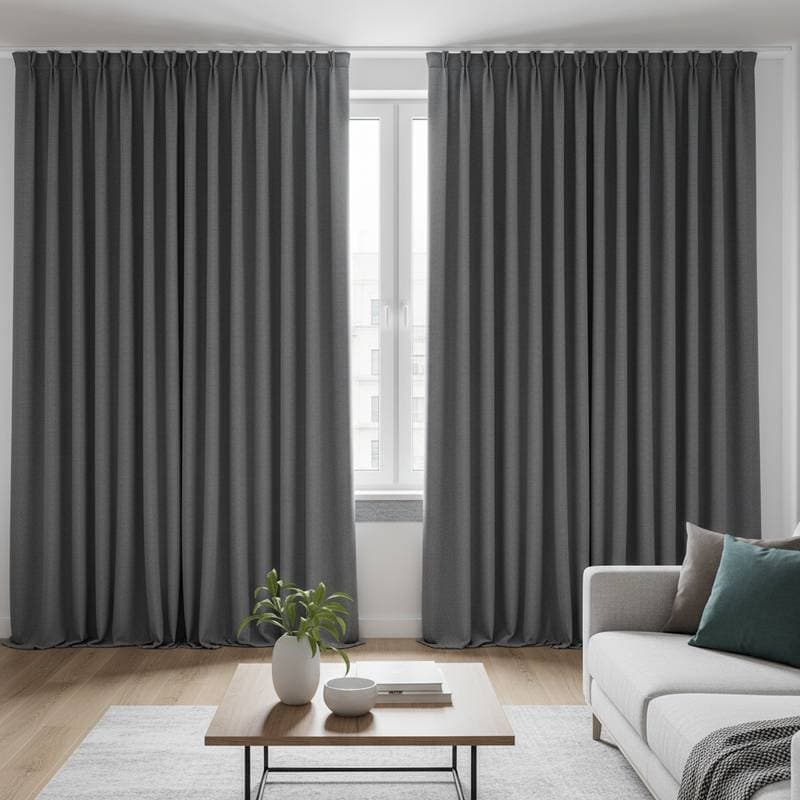
Silencing Urban Noise: The Power of Soundproof Window Treatments
Urban living often brings relentless noise from traffic, construction, and daily commotions. Such disturbances disrupt concentration, hinder relaxation, and affect sleep quality. Soundproof window treatments offer a practical solution to mitigate these issues without the expense and disruption of window replacement.
These treatments work by absorbing sound waves, reducing vibrations, and sealing gaps where noise enters. Property owners and renters alike benefit from this approach, as it provides noticeable improvements in acoustic comfort. This article outlines selection criteria, installation techniques, and maintenance strategies to help achieve a quieter living space.
Core Principles of Sound Absorption in Window Treatments
Effective soundproofing relies on three key mechanisms: absorption, damping, and sealing. Absorption occurs when dense materials capture sound waves, preventing them from reflecting into the room. Damping involves layering fabrics to minimize vibrations transmitted through the window frame.
Sealing addresses air leaks around window edges, as sound travels easily through small openings. Acoustics consultant James Patel of SoundSafe Design emphasizes the importance of comprehensive coverage. He notes, "Even a small air gap can cut your results in half. The goal is to make the fabric act like a soft wall."
Pairing window treatments with interior elements like area rugs and cushioned furniture further reduces internal echoes. This holistic strategy not only blocks external noise but also contains sounds from within the home, creating a balanced acoustic environment.
Essential Tools and Materials for Installation
Proper preparation ensures a successful outcome. Gather these items before starting:
- Measuring tape for accurate sizing
- Sturdy curtain rod or track designed to support heavy fabrics
- Drill with appropriate bits and wall anchors for secure mounting in drywall
- Heavy-duty hooks or brackets to handle added weight
- Thick curtains specifically labeled as acoustic or thermal for optimal performance
- Layering components, including blackout liners or foam-backed drapes
- Optional enhancements: adhesive weather stripping, custom soundproof window inserts, or double-roller shade systems
Select materials based on window dimensions and room conditions. For instance, in high-humidity areas, choose moisture-resistant fabrics to prevent mold growth. Budget-conscious options start with basic thermal curtains, while premium acoustic panels provide superior noise reduction.
Step-by-Step Installation Guide
Measuring and Mounting the Hardware
Begin by measuring the window frame. Extend measurements four to six inches beyond each side and from the top of the frame to the floor for full coverage. This wider span captures more sound and enhances visual appeal.
Install the curtain rod or track at ceiling height if possible. Position it higher than the window frame to create an illusion of greater room height. Use a level to ensure even alignment, then secure with anchors in drywall for stability under heavy loads.
Hanging and Layering the Fabrics
Thread the rod through the curtain headers or use rings for smooth operation. Hang the primary acoustic layer first, ensuring it reaches the floor without gaps. Add a secondary layer, such as a blackout liner, behind or in front for enhanced damping.
For double-rod setups, install a sheer panel on the inner rod for light control during the day. Reserve the outer rod for the thick acoustic drape, which closes fully at night. Apply weather stripping along the window frame edges to seal against drafts and sound leaks.
Incorporating Advanced Options
Consider soundproof window inserts for rooms with severe noise issues. These acrylic or glass panels fit snugly inside the frame and attach with compression seals. Installation takes about 30 minutes per window and removes easily for cleaning.
Double-roller shades combine convenience with effectiveness. One roller holds a light-filtering shade, while the other deploys an acoustic layer. Program motorized versions for automated adjustments based on time of day or noise levels.
Dos and Don’ts for Optimal Results
Recommended Practices
- Layer multiple fabrics to maximize sound absorption and create air pockets for damping.
- Mount hardware wider and higher than the window to cover surrounding wall areas.
- Integrate acoustic curtains with weather stripping around frames for comprehensive sealing.
- Regularly clean fabrics using gentle methods to preserve their density and effectiveness.
- Select darker, thicker colors that complement decor while providing greater mass for noise reduction.
Common Pitfalls to Avoid
- Refrain from expecting complete sound elimination, especially from intense sources like heavy machinery.
- Avoid relying on lightweight sheer curtains, which offer minimal acoustic benefits.
- Do not install hardware into unsupported drywall without proper anchors to prevent sagging.
- Steer clear of high-heat washing or ironing for dense curtains, as this damages fiber structure.
- Ensure seals allow for adequate ventilation, particularly in humid climates to avoid condensation buildup.
Cost Breakdown and Time Investment
Investing in soundproof treatments proves cost-effective compared to full window replacements, which can exceed thousands per unit. Basic thermal curtains range from 40 to 100 dollars per window, providing entry-level noise reduction.
Acoustic-specific curtains cost between 100 and 400 dollars per window, depending on size and material quality. Soundproof inserts add 200 to 500 dollars but deliver measurable decibel drops. Hardware and sealing materials contribute an additional 20 to 50 dollars.
Time commitments vary by complexity. A straightforward curtain hanging requires about one hour per window. Comprehensive setups with layering and inserts demand two to three hours. Custom sizing or professional assistance may extend timelines but ensures precision.
Factors influencing costs include fabric weight, made-to-measure options, and supplementary features like motorized tracks. Long-term savings arise from improved energy efficiency, as thermal layers also insulate against temperature extremes.
Styling Soundproof Treatments for Aesthetic Appeal
Functionality need not compromise design. Opt for fabrics that align with your interior scheme, prioritizing density without sacrificing texture or color harmony. Deep hues and woven patterns conceal dust accumulation and lend sophistication to the space.
Floor-length drapes offer a polished, custom appearance while maximizing coverage. Position rods near the ceiling to elongate the room visually. For contemporary interiors, heavy linen or canvas in neutral tones with clean pleats works well.
Traditional spaces benefit from velvet or wool blends that add warmth and depth. Coordinate tiebacks and finials with existing hardware for seamless integration. Double-rod configurations provide versatility: open sheers for natural light, close acoustics for privacy and quiet.
Experiment with patterns sparingly to avoid overwhelming the room. Vertical stripes elongate windows, while subtle geometrics add interest without distracting from acoustic goals. Regular dusting maintains the crisp look of these investment pieces.
Evaluating and Testing Your Setup
Assess performance immediately after installation. Open the curtains and note ambient noise levels near the window. Close them and listen for reductions in bass rumbles from vehicles or high-pitched sirens.
Download a sound meter application for objective measurements. Record decibel levels with treatments open and closed, aiming for a 10 to 20 decibel decrease, which equates to a significant perceived quieting. Test during peak noise hours for realistic results.
If initial outcomes fall short, inspect for gaps or loose fittings. Adjust layering or add weights to hems for better tautness. Periodic retesting ensures ongoing effectiveness, especially after seasonal changes affect window seals.
Advanced Techniques for Enhanced Quiet
Elevate results by integrating treatments with broader room acoustics. Place absorptive panels on adjacent walls or use cork underlays beneath rugs. For bedrooms, combine curtains with white noise machines to mask residual sounds.
In home offices, position desks away from windows and add desk screens for directional sound control. Maintain fabric integrity through professional dry cleaning annually. Explore sustainable options like recycled polyester acoustics that match performance with eco-friendly credentials.
Achieving Lasting Peace in Your Home
Implementing soundproof window treatments transforms noisy urban spaces into restful havens. Focus on precise measurements, quality materials, and strategic layering to yield tangible benefits. Begin with the most trafficked room to experience immediate improvements, then scale to others as needed.
This approach safeguards well-being without structural alterations. Enjoy enhanced focus, deeper sleep, and a more inviting atmosphere that supports daily life.