
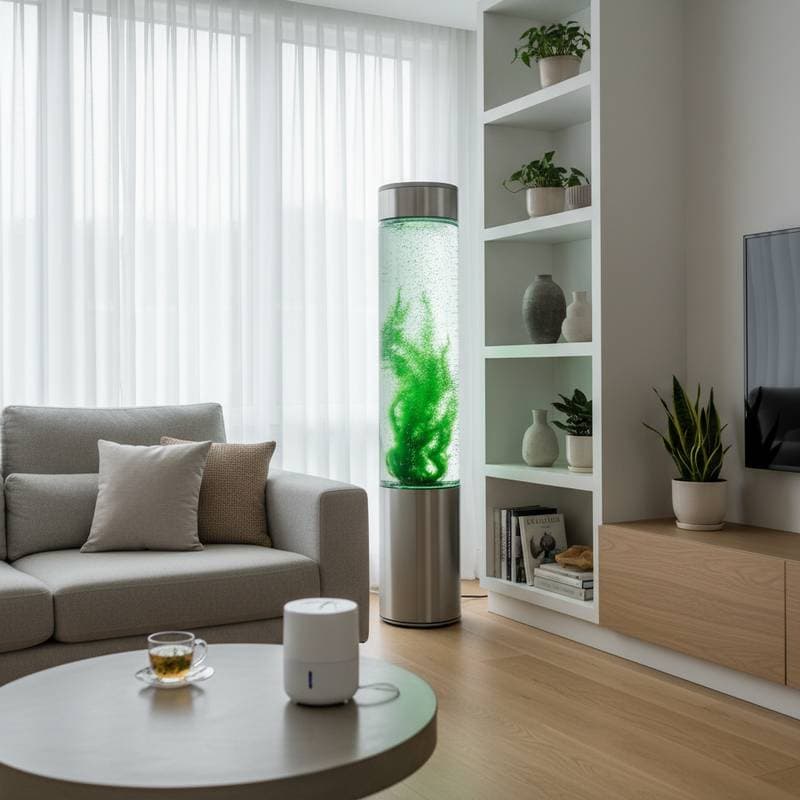
Understanding Algae Purifiers
Algae purifiers consist of sealed chambers containing water, essential nutrients, and microalgae. As room air circulates through the unit, the algae capture carbon dioxide and various pollutants, releasing fresh oxygen in exchange. This mechanism parallels the natural air-cleansing role of plants in outdoor environments. However, consistent light exposure remains crucial; insufficient illumination causes the algae to reduce activity. Position the purifier near a window with indirect sunlight or supplement with a compact LED grow light to sustain performance.
Essential Tools and Materials
Assembling and maintaining an algae purifier requires minimal equipment. Gather these items for effective use:
- Algae purifier unit featuring a transparent water chamber
- Filtered or dechlorinated water to fill the chamber
- Gentle cleaning brush or bottle brush for interior surfaces
- Soft cloth dedicated to exterior glass wiping
- Compact LED grow light for spaces with limited natural illumination
- Basic household thermometer to monitor ambient room temperature
Step-by-Step Setup Guide
1. Select and Position the Unit
Choose a flat, stable surface for the purifier, ideally close to a source of indirect natural light. Steer clear of direct sunlight, as it may cause excessive heat buildup within the chamber and stress the algae.
2. Fill with Water and Nutrients
Pour filtered water into the chamber up to the designated fill line. Incorporate the provided nutrient packet or a precisely measured dose formulated for aquatic plants. Adhere strictly to the manufacturer's recommended ratios to avoid imbalances that could harm the algae culture.
3. Activate Circulation System
Connect the unit to power and engage the integrated air pump or fan. This action suspends the algae in the water column and promotes uniform contact with incoming air. Verify that air bubbles distribute evenly throughout the chamber for optimal efficiency.
4. Optimize Lighting Conditions
In low-light rooms, install a small LED grow light positioned above or beside the unit. Operate it on a timer for approximately 12 hours daily to simulate natural day cycles. Excessive light may cause rapid algae proliferation leading to cloudy water, while inadequate exposure results in pale algae and diminished growth.
5. Observe Algae Health Indicators
Vibrant green coloration signals healthy algae activity. Darkening water or an unpleasant odor suggests accumulation of waste products. In such cases, siphon off a portion of the water and replace it with fresh filtered water until clarity returns.
6. Perform Routine Cleaning
Disconnect the power source every two to four weeks and drain the chamber completely. Rinse all interior surfaces with warm water and a mild dish soap solution. Use a soft brush to dislodge any residue on the glass walls, taking care to avoid abrasive materials or harsh chemical cleaners.
7. Initiate Fresh Growth Cycle
Refill the cleaned chamber with fresh water and the appropriate nutrient dose, then resume air circulation. The algae typically rebound and resume normal function within 24 hours under stable conditions.
8. Handle Waste Responsibly
Direct used water from the chamber toward garden soil or a compost pile, where the residual nutrients can benefit plant growth. This practice minimizes environmental impact and repurposes the byproduct effectively.
9. Inspect Components Regularly
Examine all hoses, seals, and lids for signs of wear or leaks. Secure any loose connections promptly to maintain airtight integrity and prevent water spills or reduced air flow.
Best Practices and Common Pitfalls
Recommended Actions
- Maintain the purifier in environments with moderate light and stable temperatures between 68 and 77 degrees Fahrenheit.
- Rely exclusively on clean, chlorine-free water sources.
- Ensure regular stirring or circulation to distribute nutrients evenly.
- Refresh only a portion of the water at a time to preserve the delicate algal balance.
Actions to Avoid
- Position the unit away from heating vents, air conditioners, or radiators that could introduce dryness or extreme temperatures.
- Refrain from using untreated tap water containing chlorine or heavy metals.
- Never introduce soaps, vinegars, or other substances directly into the chamber.
- Keep air pumps and tubing unobstructed to sustain consistent operation.
Dr. Lila Santos, an environmental biologist at GreenAir Labs, notes, “Algae purifiers function optimally when managed as miniature ecosystems. Consistent stability ensures their ongoing efficiency.”
Professional Assistance Indicators
Seek help from a qualified technician or the manufacturer if issues persist, such as mold growth, persistent leaks, or electrical malfunctions. Avoid disassembling units integrated with home ventilation systems or custom air lines. Professional intervention proves essential for recovering from complete algal die-off or persistently opaque water despite diligent care.
Investment and Effort Overview
Algae purifiers vary from affordable desktop versions to substantial floor-standing models, with prices comparable to basic air filters or mid-tier household appliances. Ongoing expenses for nutrient replenishments and occasional filter changes remain modest. Initial setup requires under one hour, while routine weekly inspections demand just a few minutes. Factors influencing total cost include unit dimensions, construction materials, and the sophistication of integrated lighting.
Ongoing Maintenance Schedule
Establish a straightforward routine to sustain optimal air quality and system health.
- Weekly Checks: Verify water levels, observe bubble patterns, and assess algal color.
- Monthly Refresh: Exchange approximately one-third of the water volume and supplement nutrients as needed.
- Quarterly Deep Clean: Thoroughly wash glass surfaces and inspect tubing for buildup.
- Immediate Interventions: Address cloudy water, algal clumping, or airflow disruptions without delay.
Advanced Strategies for Optimal Performance
- Select units equipped with programmable timers for lights and pumps if frequent absences occur.
- Combine the purifier with conventional dust filters to enhance overall particle removal.
- Secure the setup against access by pets or young children to protect tubing and lids.
- Prioritize indirect natural light sources to minimize electricity consumption and promote sustainability.
Dr. Santos adds that algae purifiers extend beyond mere filtration. They foster awareness of air quality as a dynamic, biological phenomenon.
Embracing Biological Air Purification at Home
Integrating an algae purifier introduces a fusion of scientific innovation and aesthetic appeal into daily life. The unit provides tangible feedback on air conditions through rippling water, shifting light, and evolving green hues. This living element cultivates a deeper appreciation for natural processes while delivering measurable improvements in indoor air freshness and vitality.