
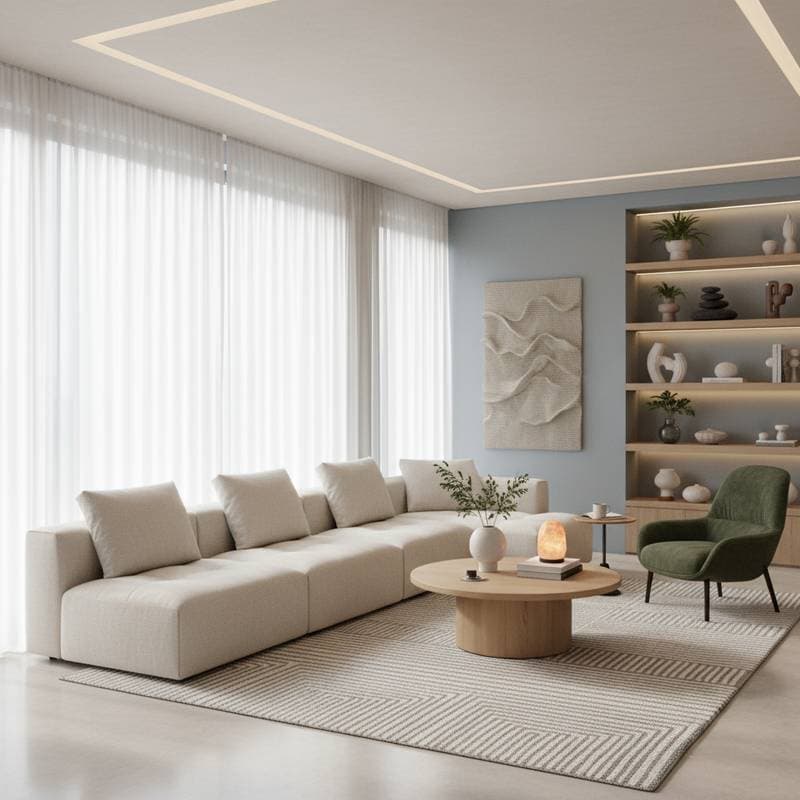
Understanding Neuroaesthetics and Home Mental Health
Your home environment shapes your mental state throughout the day. When spaces promote tranquility, concentration, and ease, the body responds in kind. Neuroaesthetics provides the scientific foundation for this connection, revealing how intentional design can subtly enhance psychological well-being.
Clutter or glaring lights often trigger unease, prompting the brain to enter a stress response. This article outlines strategies using color, shape, illumination, and arrangement to create restorative home settings. Address any foundational problems, such as structural flaws or moisture issues, before applying these design principles, as no aesthetic adjustment compensates for hazards.
Key Principles of Neuroaesthetics
Neuroaesthetics examines the brain's and body's reactions to visual and sensory stimuli. It bridges psychology and design to demonstrate how environments affect mood, attention, and vitality. The core concept holds that surroundings transmit cues interpreted by the brain as secure or threatening; balanced cues lead to improved emotional states.
Select materials free from harsh chemicals or overpowering aromas to prevent sensory irritation. Focus on elements that evoke harmony, allowing the mind to unwind without distraction.
Essential Tools and Materials
Prepare with these items to implement changes effectively:
- Notebook or smartphone camera to document room observations
- Sources of natural daylight or warm white LED bulbs
- Neutral-toned paints or adhesive wall coverings for temporary updates
- Indoor plants or fresh foliage arrangements
- Organizational containers like woven baskets
- Gentle cleaning solutions paired with soft cloths
- Select personal artifacts that evoke positive emotions
Step-by-Step Guide to Mindful Home Design
1. Assess Your Current Space
Enter each room and record your initial emotional response. Does the area inspire serenity or agitation? Rely on intuition at this stage to capture how the brain instinctively processes the environment before delving into specifics.
This practice highlights subconscious interpretations, guiding targeted improvements.
2. Eliminate Visual Clutter
Excess items heighten cognitive strain. Begin with a single area, like a bedside table or kitchen surface. Clear it completely, then reintroduce only essentials for daily use.
Such streamlined arrangements convey stability, signaling safety to the nervous system and easing mental effort.
3. Optimize Lighting Layers
Illumination regulates hormones tied to alertness and relaxation. Incorporate multiple layers: ambient fixtures for general illumination, focused task lights for activities, and accent pieces for ambiance.
Opt for bulbs in the warm white spectrum, around 2700K, to mimic natural twilight. Reserve cooler tones for productive zones and exclude blue-heavy lights from relaxation areas to preserve sleep cycles.
4. Harmonize Color Schemes
Abrupt color shifts can strain the eyes and elevate tension. As noted by psychologist Dr. Ellen Berman, specialist in sensory interiors, subtle gradients facilitate fluid visual navigation, thereby lowering physiological stress.
Select soft palettes inspired by nature, such as earthy beiges, gentle greens, or muted blues. Ensure cohesion between walls, flooring, and upholstery for a unified, soothing effect.
5. Integrate Biophilic Elements
Exposure to organic materials like foliage, timber grains, and fibrous weaves counters anxiety by evoking natural habitats. Position even modest additions, such as a potted succulent or carved wooden vessel, in visible spots.
For low-maintenance options, incorporate faux greenery, preserved botanicals, or stone accents that mimic outdoor textures without upkeep demands.
6. Facilitate Spatial Flow
The brain prefers intuitive navigation. Position furniture to allow unobstructed passage, avoiding obstacles that disrupt movement. Maintain clear views from entrances to foster openness.
These adjustments minimize physical awkwardness and reduce underlying mental tension, promoting a sense of control.
7. Curate Intentional Decor
Incorporate objects that symbolize connection rather than accumulation. A crafted ceramic piece, cherished photograph, or travel-sourced fabric can ignite feelings of security and joy.
Restrict displayed items to those generating authentic sentiment, preventing the space from feeling overwhelming.
8. Manage Acoustic Elements
Reverberations or persistent sounds accelerate pulse rates. Introduce sound-absorbing features like drapery, area rugs, or upholstered seating to dampen echoes.
For external disturbances, employ subtle audio aids such as ambient playlists or noise-masking devices during downtime to restore auditory calm.
9. Enhance Air Quality and Scent
Ventilation dissipates cognitive haze. Ventilate rooms for a minimum of ten minutes each day to circulate fresh air. When introducing fragrances, choose essential oils like lavender for relaxation or citrus for invigoration.
Steer clear of artificial diffusers that create lingering intensity, as they may disrupt sensory equilibrium.
Recommended Practices and Pitfalls
Recommended Practices
- Balance daylight with supplemental sources to align with daily rhythms.
- Ensure circulation paths remain free for effortless navigation.
- Select tactile surfaces like breathable fabrics or non-reflective coatings.
- Incorporate vegetation to provide ocular respite.
- Maintain hygiene in frequently contacted zones for sustained vitality.
Pitfalls to Avoid
-
Refrain from crowding storage areas with unnecessary ornaments.
-
Do not dominate spaces with singular vivid hues.
-
Overlook auditory and olfactory factors, which impact psyche as profoundly as sight.
-
Block incoming sunlight with dense window treatments.
-
Apply abrasive cleaning agents near living or dining surfaces.
Professional Assistance Indicators
Engage certified experts for electrical modifications, structural alterations, or extensive resurfacing. Consult designers versed in environmental psychology for challenges like heightened sensitivities, ongoing anxiety, or environment-linked insomnia.
Such specialists tailor solutions to individual needs, amplifying the benefits of neuroaesthetic principles.
Investment and Timeline Overview
Basic interventions, including organization, sanitation, and repositioning, require minimal outlay and fit within a single weekend. Cosmetic updates like recoloring or fixture replacements involve modest budgets, scalable by material choices. Layering textiles or botanicals proves economical through reuse of household goods.
Larger projects, such as full-room overhauls, demand professional input but yield lasting psychological gains.
Ongoing Care Strategies
Evaluate arrangements seasonally to adapt to evolving needs. Dust surfaces routinely to preserve illumination quality. Tend to greenery by repositioning for optimal exposure and removing wilted parts. Swap out dimming bulbs promptly. Annually audit decorative elements, retaining only those fostering peace.
Consistent attention ensures the design continues supporting mental resilience.
Advanced Strategies for Lasting Impact
Capture images of spaces pre- and post-adjustments; rapid adaptation can obscure progress in emotional uplift. Deploy mirrors judiciously—one strategic spot amplifies brightness, while excess induces disorientation. In shared residences, collaborate on palette and aroma selections to avert collective discomfort.
Renters benefit from non-permanent enhancements like peel-and-stick applications or modular accents, delivering substantial mood improvements. Designate a dedicated nook for repose, conditioning the brain to associate it with decompression.
Sustaining Well-Being Through Design
Neuroaesthetics prioritizes enduring support over fleeting styles. By aligning illumination, hues, surfaces, and circulation, environments preemptively convey reassurance. Over time, these intentional spaces cultivate resilience, enabling clearer thinking and deeper rest amid daily demands.