
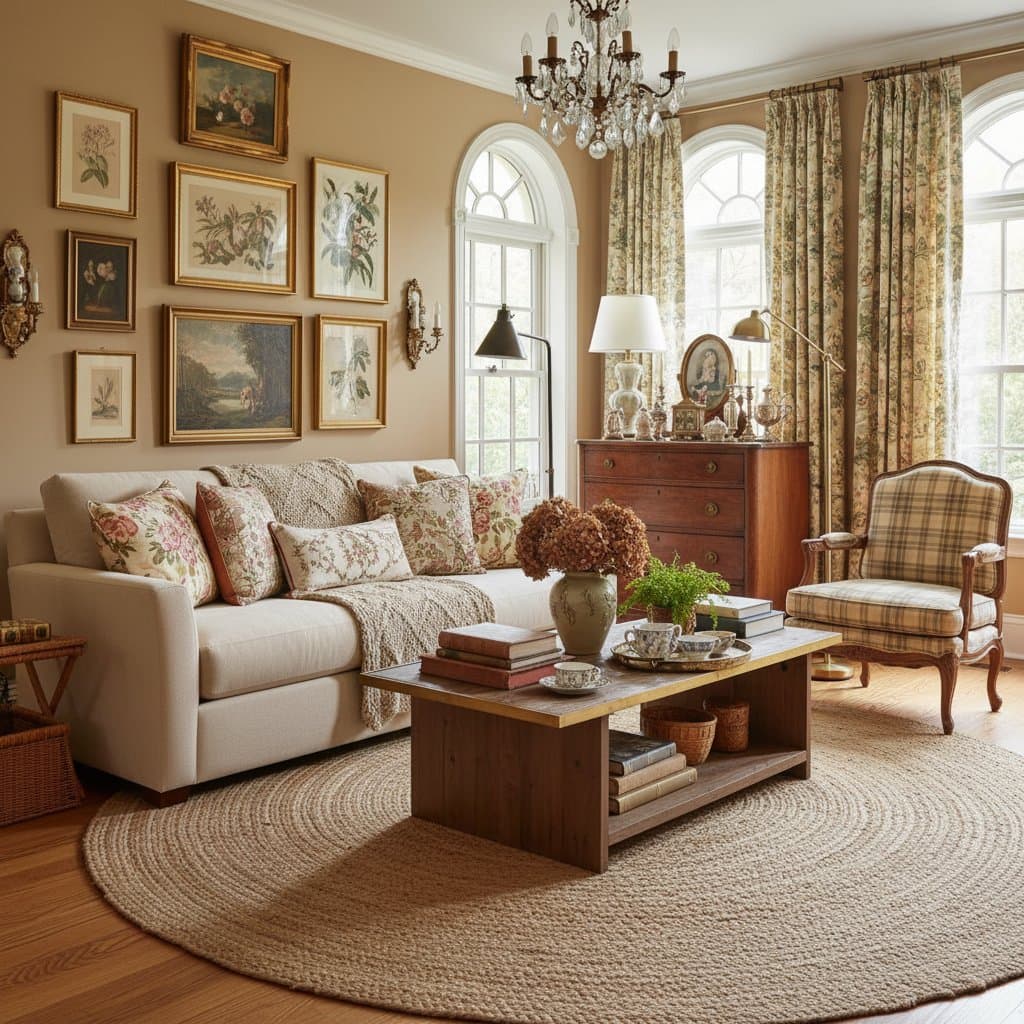
Vintage Maximalism: Grandmillennial Style Takes Over Homes
Many homes suffer from a beige, blank, and cold appearance. Grandmillennial style addresses this issue by introducing cozy rooms full of personality. This design approach brings back comfort, charm, and color.
Readers learn to decorate with confidence using the grandmillennial method. The style works best with careful editing. Clutter undermines character.
What to Know About Grandmillennial Style
Grandmillennial design blends traditional patterns, vintage finds, and layered textures into spaces that feel nostalgic yet fresh. It rejects minimalism's starkness while maintaining balance through thoughtful mixing and restraint. Interior designer Lila Torres of Haven Studio notes, "This look works when every piece has a story, not just a price tag."
The style emphasizes quality over quantity. Pieces gain value from their history and craftsmanship. Homeowners achieve a lived-in feel without excess.
Essential Tools and Materials
Gather these items to begin:
- Paint samples in soft pastels, muted greens, dusty blues, or warm creams
- Vintage or secondhand furniture with solid frames
- Floral or chintz fabrics for pillows or curtains
- Brass or ceramic lamps
- Classic framed art or botanical prints
- Good lighting for evaluating color tones
- Gentle cleaning supplies for restoring old finds
These elements form the foundation for a cohesive transformation.
Step-by-Step Guide to Grandmillennial Design
Step 1: Select a Base Color
Choose one calming background hue, such as ivory, pale sage, or warm blush. This choice ensures cohesion when adding patterns and antiques. Test paint on a wall section and observe it in natural and artificial light before full application.
Step 2: Layer Patterns Thoughtfully
Limit patterns to two or three at most. Pair a floral print with a stripe or small geometric. Establish one dominant pattern and use others as accents. Balance busy wallpaper with solid-color upholstery.
Step 3: Source Secondhand Items
Visit estate sales, thrift shops, and online marketplaces for treasures. Seek sturdy wood furniture, embroidered textiles, and framed prints. Overlook surface wear if the structure remains sound. A light sanding and fresh polish revive most pieces.
Step 4: Incorporate Textiles for Warmth
Use curtains, slipcovers, and throw blankets to add depth. Opt for cotton, linen, or velvet in colors that echo main patterns but vary in texture. This approach creates interest without disorder.
Step 5: Display Collections Intentionally
Group similar items, like ceramic vases or vintage books, in one area rather than scattering them. Arrange in odd numbers, such as three or five pieces. This method appears curated rather than cluttered.
Step 6: Mix Metals and Finishes
Matching proves unnecessary. Combine brass, nickel, and painted finishes if they share a tone or patina. Minimize shiny surfaces to allow the eye to rest amid ornate details.
Step 7: Introduce Natural Elements
Incorporate plants, wicker baskets, or rattan accents to soften traditional pieces. Place a small fern on a side table or a woven tray on a dresser for added air and vitality.
Step 8: Balance Vintage and Modern
Pair antique furniture with contemporary lighting or clean-lined art to avoid a dated appearance. Torres explains, "Contrast keeps nostalgia from turning into a theme park."
Step 9: Edit for Final Polish
Step back and remove one item from each surface. This practice keeps the eye moving and highlights the best pieces. Store hesitated items for future rotation.
Dos and Don'ts for Success
Dos
- Mix textures like velvet, wood, and wicker for added warmth.
- Clean and restore vintage pieces before incorporating them.
- Employ symmetry for calm, particularly on mantels or shelves.
- Let lighting highlight textures without overwhelming them.
- Trust personal taste over strict trend adherence.
Don'ts
- Overcrowd spaces with excessive collectibles.
- Apply harsh chemical cleaners to antique finishes.
- Depend solely on one era or pattern.
- Neglect neutral areas where the eye can rest.
- Ignore scale; large prints require space to breathe.
When to Consult a Professional
Seek expert help for refinishing antique furniture, rewiring vintage lamps, or removing old wallpaper that might contain hazardous materials. These tasks involve risks without proper tools and knowledge. Hire specialists for major upholstery or delicate fabric restoration, especially with period materials.
Cost and Time Considerations
Budget from a few hundred dollars for minor updates with thrifted items to several thousand for complete room furnishing. Paint, fabric, and lighting account for primary expenses. A single room refresh may take a weekend, while sourcing authentic vintage pieces extends the timeline.
Ongoing Maintenance
Dust weekly with a microfiber cloth. Polish wood furniture monthly using non-silicone wax. Wash slipcovers and curtains seasonally. Rotate pillows and throws to distribute wear evenly. Inspect brass or ceramic lamps annually for loose fittings.
Key Differences in Grandmillennial Design
This style prioritizes comfort and craftsmanship over mere nostalgia. It celebrates quality materials, subtle imperfections, and handmade details that convey stories. Rather than fast furniture, it favors durable, lasting pieces.
Patterns like florals, toiles, and ginghams reemerge in softer palettes and balanced layers. Color evokes emotion, with choices such as powder blue walls or rose chintz curtains feeling both familiar and refreshed. Interior stylist Nora Cheng of HouseKind Interiors states, "People want homes that feel loved, not staged. Grandmillennial design gives them that permission."
Why Grandmillennial Resonates Today
Following years of minimalist white interiors, individuals seek personality and warmth. This style fulfills that desire with nostalgic elements edited for modern comfort. It evokes grandparents' living rooms while aligning with contemporary needs.
Sustainability plays a central role. Secondhand purchases divert furniture from landfills and curb new production demands. Repairing and repurposing promotes practical, non-disposable living.
Emotional benefits stand out as well. Textures and familiar patterns provide anchorage amid a fast-paced world. A floral armchair or embroidered pillow fosters calm and connection.
Blending Old and New Elements
Anchor the design with one era or motif, such as midcentury wood, cottage florals, or Victorian brass. Introduce modern pieces sparingly for balance. A sleek lamp next to a tufted wingback chair harmonizes energies.
Maintain consistent finishes: pair warm woods with warm metals, or cool palettes with silver tones. Repeat colors or textures subtly across spaces, like echoing a floral shade in hallway runners or kitchen towels.
Selecting Fabrics and Patterns
Chintz, ticking stripe, damask, and embroidered linen define the aesthetic. Choose natural fibers that drape softly and avoid shiny synthetics. Layer by varying scale: pair large florals with narrow stripes or tiny dots within the same tone family.
Add trim or fringe judiciously, such as on tassel pillows or scalloped edges, to prevent competition among details.
Achieving Cozy Lighting
Soft, diffused light enhances the room's feel. Layer floor lamps, table lamps, and sconces with warm-temperature bulbs to flatter fabrics and finishes. Rewire vintage lamps if needed, consulting an electrician for safety.
Linen or pleated shades distribute light evenly. Incorporate candles or string lights for mood, keeping flames distant from textiles.
Styling Shelves and Surfaces
Prioritize meaningful displays: books, framed photos, and mementos. Arrange by color or theme, using stacked books to elevate vases or frames. Preserve empty space for visual breathing room.
Adjust until the eye flows smoothly. Glass-front cabinets suit china or collectibles; line interiors with wallpaper or fabric for contrast.
Recommended Color Palettes
Gentle, livable combinations include:
- Soft sage, ivory, and rose for calm femininity.
- Navy, cream, and brass for classic structure.
- Dusty blue, sand, and olive for cozy coastal vibes.
- Mauve, linen, and forest green for moody warmth.
Test swatches and chips in natural light to confirm harmony.
Sustainable Sourcing Strategies
Explore estate auctions, reuse centers, and consignment shops for solid-wood pieces at reduced costs. Examine joints and drawers for durability. Request detailed photos for online purchases, accepting minor scratches but avoiding structural cracks.
Reupholster salvageable frames with cotton or linen blends to minimize waste.
Preserving Vintage Furniture
Clean wood with a damp cloth and dry immediately. Apply beeswax or mineral oil every few months for sheen. Steer clear of silicone sprays that dull patina.
Vacuum upholstered seams regularly and spot clean with mild soap. Test cleaners in hidden areas. Position pieces away from direct sun or vents to prevent fading and joint weakening.
Building Your Grandmillennial Space
Begin modestly in one room or corner. Introduce a patterned pillow, thrifted lamp, or botanical print. Allow each addition to guide the next.
The style evolves gradually, layering inherited memories with created comfort. Spaces filled with historical pieces gain vitality. Grandmillennial design emphasizes meaningful curation over accumulation, resulting in homes that nurture and inspire.