
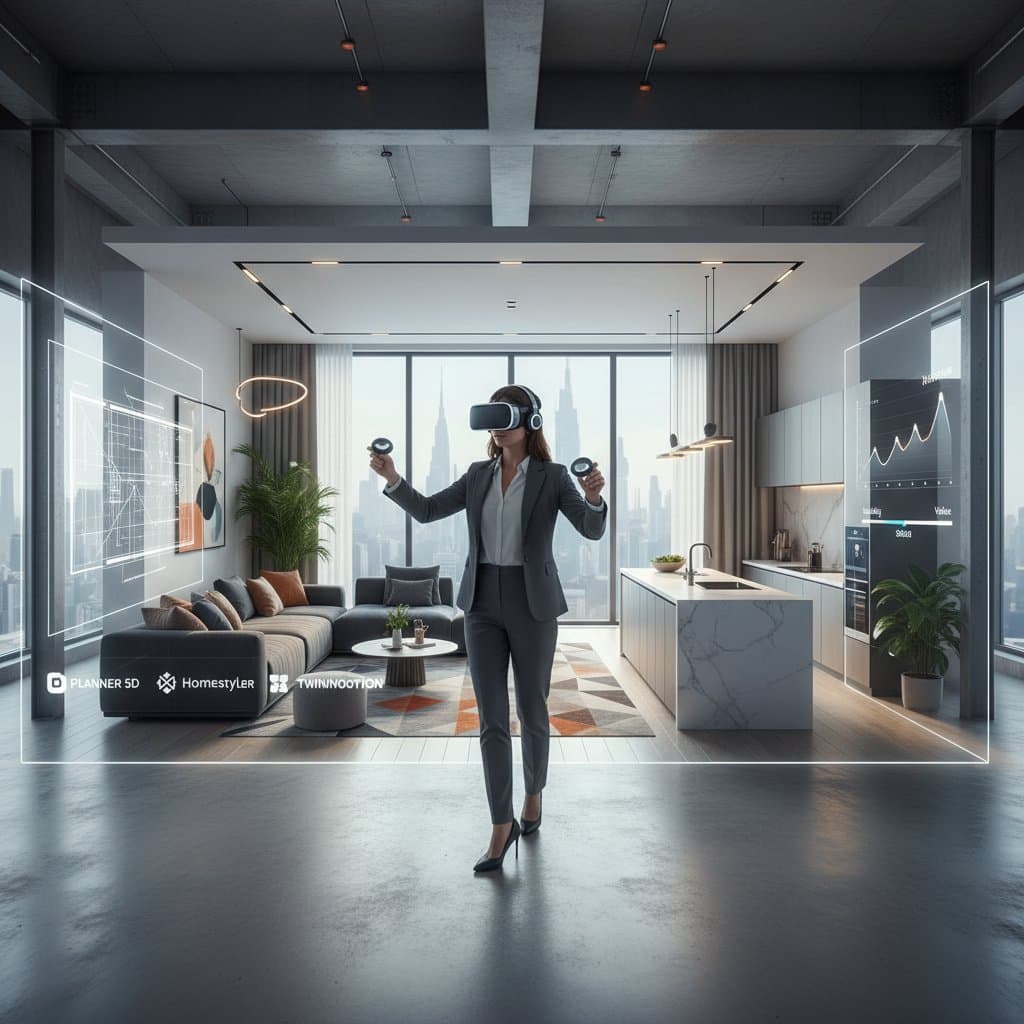
See Your Dream Interior in VR Before It Exists
Picture yourself in a future living room, with no walls yet constructed and no furniture placed. Walk from the kitchen to the dining area, observe how light interacts with a preferred reading chair. This scenario moves beyond imagination. Immersive virtual reality design tools now enable individuals to experience a digital model of a future home.
Homeowners, designers, and architects benefit from this advancement in space planning. Traditional methods like mood boards, sketches, or static 3D images give way to interactive exploration. This guide explains VR interior design principles, highlights top tools, and outlines key considerations for virtual walkthroughs.
How We Tested
We selected effective VR tools for interior design through rigorous evaluation of leading platforms. Criteria included usability, realism, customization, compatibility, and value.
Testing involved building a virtual medium-sized living space with elements like lighting, materials, and furniture. We examined floor plan imports, design modifications, and navigation in the virtual setting. Visual quality and device performance received close scrutiny.
The aim centered on identifying tools that deliver impressive visuals while supporting informed design choices.
Our Top VR Interior Design Tools
1. Planner 5D – Best Overall for Homeowners
Planner 5D provides visualization of home corners with strong realism and ease.
Pros:
- Intuitive drag-and-drop interface
- Realistic textures and lighting
- Compatibility with most devices, including VR headsets
- Extensive furniture and decor catalog
Cons:
- Premium features demand a subscription
- Rendering slows on lower-end hardware
Detailed Review:
Planner 5D stands out for accessibility and accuracy. Users create floor plans from scratch or import layouts, then enter the design via virtual reality. The furniture library proved essential in tests, with customizable items matching real proportions. VR immersion aids understanding of spatial dynamics, suiting homeowners for renovations or updates. Premium features require payment, which limits full access.
2. Homestyler – Best for Collaborative Design
Homestyler, a cloud-based platform, suits teams or families in joint design efforts.
Pros:
- Simple sharing and real-time collaboration
- Precise lighting simulation
- Diverse templates and styles
Cons:
- Learning curve for novices
- Restricted offline access
Detailed Review:
Homestyler facilitates group involvement in design. Invitations allow real-time views, ideal for consultations or remote work. Lighting simulations revealed daily mood variations effectively. Mastery requires practice, yet yields professional virtual tours that feel vibrant and authentic.
3. Twinmotion – Best for Professionals
Twinmotion merges architectural accuracy with cinematic visuals, ideal for design experts.
Pros:
- Photorealistic rendering
- Real-time adjustments and feedback
- Integration with CAD software
Cons:
- Demands high-performance hardware
- Steep interface for beginners
Detailed Review:
Architects and interior designers find Twinmotion exceptional. Importing a floor plan and adding materials with weather effects produced striking outcomes in tests. Real-time texture, lighting, and sound modifications enhance immersion. Technical requirements suit professionals over casual users.
What to Look for When Buying VR Interior Design Software
Selection of a VR design tool hinges on needs, objectives, and expertise. Consider these factors prior to purchase.
Ease of Use
Novices benefit from intuitive software featuring drag-and-drop tools and tutorials. Such interfaces emphasize creativity over technical hurdles.
Realism and Rendering Quality
Seek high-quality textures, natural lighting, and accurate shadows for true representation. Lifelike visuals support reliable design decisions.
Device Compatibility
Evaluate support for VR headsets, desktops, tablets, or smartphones based on existing hardware.
Customization Options
Robust libraries of adjustable furniture, colors, and finishes enable experimentation. Import capabilities for personal textures or models add versatility.
Collaboration Features
Shared projects and real-time editing streamline work with designers or family.
Price and Value
Free tiers suffice for basics, while subscriptions provide advanced options. Assess requirements to justify costs.
Frequently Asked Questions
Can I use VR interior design software without a headset?
Yes. Desktop or mobile 3D modes allow exploration, though headsets heighten immersion.
Is VR design suitable for small projects?
Yes. Room redesigns gain from testing layouts, colors, and lighting virtually.
Bring Your Vision to Life with VR
VR tools bridge the gap between concept and reality, reducing errors and enhancing satisfaction in design projects. Start with a free trial of a recommended platform to explore possibilities. Confident planning leads to spaces that truly reflect personal style and function.