
Grandmillennial Style Revives Vintage in Modern Homes
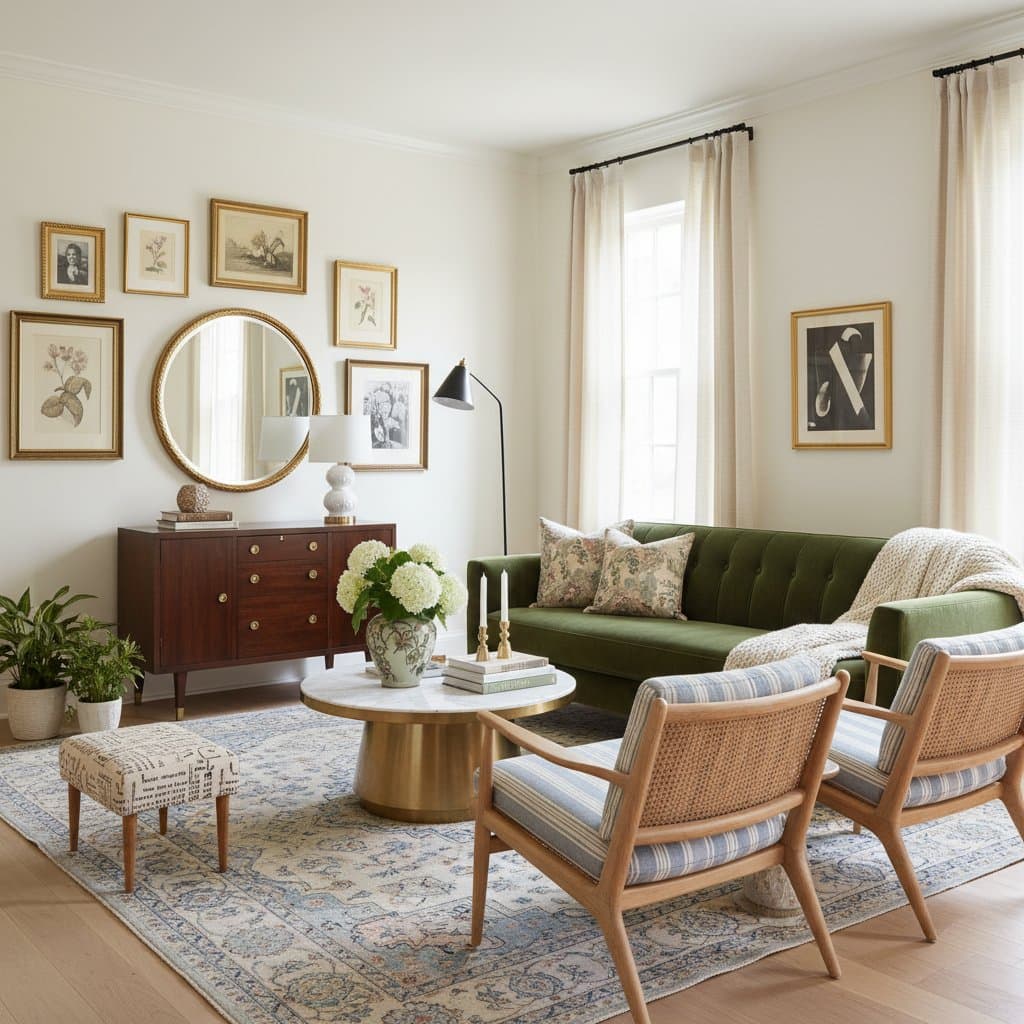
Grandmillennial style infuses homes with warmth and character by merging classic charm with contemporary comfort. This approach creates spaces that evoke familiarity while maintaining a fresh appeal, achieved through the careful pairing of vintage elements with streamlined designs and intentional restraint.
The challenge lies in harmonizing nostalgic elements with the demands of modern living to ensure rooms appear curated rather than cluttered. This guide outlines methods to integrate heirloom items, subtle patterns, and refined finishes into cohesive, inviting interiors.
Grandmillennial style thrives on thoughtful editing. Select pieces that resonate personally and eliminate those that introduce unnecessary complexity.
Essential Principles of Grandmillennial Design
Grandmillennial design fuses traditional aesthetics with modern minimalism. It emphasizes comfort, artisanal quality, and evocative memories. Editing remains central: allow each vintage component ample room to stand out. Steer clear of overloading small areas with multiple patterns or dense wood tones. For households with pets or young children, opt for durable, cleanable materials such as performance fabrics and protected wood surfaces to simplify maintenance.
Recommended Tools and Materials
- Neutral-toned paint or wallpaper for foundational layers
- Antique or vintage furniture as focal points
- Blend of contemporary and classic textiles for texture
- Brass or ceramic fixtures for illumination
- Framed artwork or personal photographs for sentiment
- Fresh botanicals or potted plants for vitality
- Basic upkeep supplies, including soft cloths and gentle cleaners
Step-by-Step Guide to Implementation
1. Establish a Serene Foundation
Select wall treatments in gentle hues such as soft cream, light azure, or subdued sage. These choices provide a tranquil canvas that accommodates layers of pattern and texture without competition. As designer Emily Ruiz of Haven Interiors notes, "A neutral foundation lets old and new pieces speak equally."
2. Incorporate Vintage Focal Points
Choose one or two prominent antique items, like a detailed wooden bureau or an upholstered armchair. Verify structural integrity and usability before integration. Restore finishes or fabrics as required, preserving the original silhouette to honor its historical context.
3. Introduce Textiles for Layered Comfort
Incorporate floral chintz, tartan plaids, or hand-stitched linens sparingly. Balance these with plain weaves in cotton or linen to maintain equilibrium. A single motif-driven cushion or draped panel can temper stark modern edges while preventing visual overload.
4. Integrate Contemporary Illumination
Update outdated fixtures with sleek brass table lamps or spherical ceiling lights. Such selections connect eras seamlessly. Select bulbs that emit warm glows to enhance the patina of traditional furnishings and foster an hospitable ambiance.
5. Curate Displays Mindfully
Arrange collections of porcelain, literature, or portraits into compact clusters. Restrict groupings to three to five elements for focus. Incorporate negative space to allow visual respite, utilizing platters or ledges to delineate arrangements.
6. Harmonize Metallic Elements
Combine gleaming brass accents with subdued iron or satin nickel hardware. This variety prevents antique details from dominating. Apply consistency subtly, such as uniform bases on lighting or coordinated pulls on cabinetry.
7. Preserve Everyday Practicality
Conceal wiring and miscellaneous items discreetly, yet ensure essentials remain within reach. Employ woven bins for blankets or compact serving carts to blend utility with heritage appeal. Functionality enhances the overall aesthetic.
8. Infuse Vitality Through Greenery
Introduce living elements to temper elaborate forms and avert stiffness. Select resilient varieties like trailing ivy or serene lilies for minimal effort. Arrange in ceramic vessels that echo vintage motifs.
9. Refine Through Deliberate Editing
Assess each zone from a distance, then eliminate excess from any congested area. Exemplary grandmillennial interiors exhibit organic depth and habitation, free from contrived perfection.
Guidelines for Effective Execution
Recommended Practices
- Blend furnishings from diverse eras to build narrative richness.
- Employ muted palettes and varied surfaces to evoke coziness.
- Maintain visible personal artifacts in orderly fashion.
- Revitalize aged textiles via professional reupholstery.
- Utilize illumination to accentuate intricate workmanship.
Practices to Avoid
- Refrain from filling all available surfaces or walls.
- Limit pattern variety within a single space.
- Preserve the natural finish of antique timber unless compromised.
- Disperse ornate framing to prevent uniformity.
- Prioritize livability; ensure spaces support daily routines.
Scenarios for Professional Assistance
Engage an interior specialist or craftsman for tasks like antique restoration, wallpaper application on imperfect surfaces, or electrical updates to legacy fixtures. Experts safeguard monetary and emotional value while averting errors. Professional intervention proves invaluable for high-stakes heirlooms.
Investment and Timeline Overview
Budget ranges from several hundred dollars for minor adjustments to thousands for comprehensive overhauls, influenced by item rarity, fabric labor, and fixture installations. Basic arrangements may conclude over a weekend, whereas detailed restorations span weeks. Initiate with modest changes and evolve gradually.
Ongoing Care Strategies
- Wipe wooden and metallic surfaces weekly using microfiber tools.
- Clean fabrics biweekly with attachment brushes on vacuums.
- Shift pillow positions monthly to distribute wear evenly.
- Buff brass or silver elements periodically with non-abrasive solutions.
- Review vignettes seasonally to streamline or rejuvenate.
Insights from Design Experts
Interior designer Lila Torres of Studio Harrow recommends, "Treat sentiment like texture, not color. It should be part of the mix, not the whole story." Apply this perspective during curation. The objective centers on nurturing reassurance without confining to bygone eras.
Pair a blooming settee with a minimalist side table or unadorned floor covering. For inherited substantial window treatments, shorten or back with breathable linings. Incremental modifications anchor residences in the now, while revering heritage.
Evolving with Your Space
Grandmillennial style adapts alongside personal growth. It flourishes through gradual acquisition and intimate involvement. When items accumulate mindfully, they secure meaningful positions. Permit your environment to mirror both legacy and lifestyle, delivering enduring warmth, allure, and serenity.