
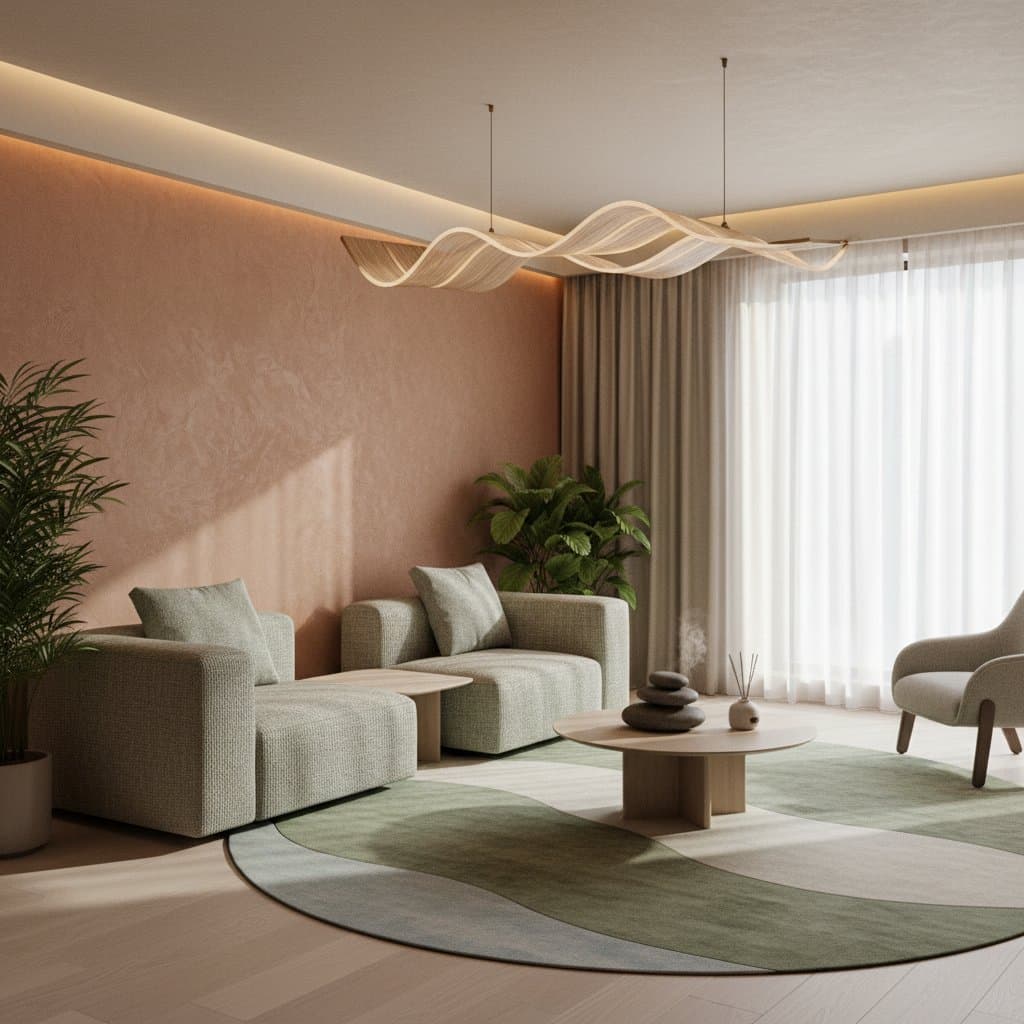
Neuroaesthetics: Home Designs That Heal Your Mind
People often notice when a room feels welcoming. The atmosphere lightens, hues appear gentler, and tension eases from the body. This response goes beyond fleeting emotion; it reflects the brain's interaction with design elements. Neuroaesthetics explores how visual and spatial features influence brain activity, reshaping perspectives on residential spaces. This field links interior decisions to emotional health, demonstrating that thoughtful design can soothe, rejuvenate, and invigorate occupants.
As more individuals blend living and working areas, the demand for mentally supportive homes grows urgent. Neuroaesthetic principles provide methods to craft settings that soothe the nervous system, heighten concentration, and foster contentment, all without high costs or expert intervention.
What Is Neuroaesthetic Design
Neuroaesthetic design fundamentally examines how environments shape feelings and cognition. The brain responds instinctively to shapes, colors, textures, and illumination. For instance, disorganized storage might elevate stress indicators, whereas orderly arrangements with subdued palettes promote relaxation.
Practitioners of this approach draw on empirical insights to inform selections. Rather than following fleeting styles, they prioritize human perception of areas. Considerations include traffic patterns, light variations across surfaces, and tactile feedback from floors. Such designs yield equilibrium beyond mere aesthetics.
The Five Senses as Design Tools
Effective neuroaesthetic spaces integrate sensory inputs cohesively. Each modality contributes to a sense of presence and stability.
1. Sight: Organized visuals form the basis of psychological ease. Elements like recurring motifs, balanced forms, and scaled harmony align with innate preferences for structure. Base layers in tones such as creamy beige, light terracotta, or subtle green permit visual respite. Strategic pops of richer shades, like an indigo cushion or terracotta pottery, draw attention without excess stimulation.
2. Touch: Tactile qualities convey security and ease. Varied surfaces, from coarse granite to plaited cotton and polished timber, transmit distinct signals. In a documented project, substituting glossy tiles with broad oak planks in a satin coat introduced thermal comfort and subdued echoes, transforming the room's overall serenity.
3. Sound: Reflective materials amplify acoustics, potentially increasing pulse rates and disrupting attention. Introducing textiles, such as drapes or padded dividers, dampens reverberations and fosters enclosure. Placing a modest carpet beneath a meal area alone alters the ambiance profoundly.
4. Smell: Aromas evoke recollections and modulate temperament swiftly. Positioning a faint pine vaporizer at the threshold or potted basil by the stove ties the interior to natural tranquility.
5. Movement: Spatial navigation influences comfort. The mind favors clear routes and unobstructed vistas. Obstructing pathways induces subtle confinement. Neuroaesthetic arrangements facilitate seamless shifts between areas, directing motion intuitively.
The Science Behind Calm
Studies in psychology and neuroscience reveal that constructed settings impact hormone regulation, cardiovascular metrics, and resilience. Organic substances and curved contours alleviate activity in the visual processing regions. Environments echoing natural landscapes, termed biophilic, mitigate worry and bolster attentiveness.
Practically, this translates to benefits from a desktop fern, a timber-bordered reflector, or an unobscured sky view. These features function as wellness instruments, not ornaments.
Applying Neuroaesthetics at Home
Full overhauls prove unnecessary for wellness-oriented design. Insight into cerebral-spatial dynamics enables incremental adjustments that redefine domestic perception.
1. Start with light.
Illumination governs disposition above all else. Enhance daylight access by decluttering ledges and opting for translucent shades. In dim conditions, employ tiered sources: ceiling fixtures for utility, floor lamps for coziness, and concealed strips along cabinets for subtle radiance. Select bulbs at 2700K to 3000K for a dawn-like warmth that aligns with biological clocks.
2. Simplify surfaces.
Excess visuals generate cognitive clutter. Retain items that fulfill needs or spark delight. Arrange volumes by dimension or shade for subdued uniformity. Conceal sundries in braided receptacles or unglazed pots. Focus on purpose over austerity.
3. Use nature as a guide.
Earthly components temper physiological reactions. Integrate substances like cane, wicker, salvaged lumber, or fleece. On limited funds, a mounted woodland image suffices to induce comparable repose. Draw from palette inspirations such as mossy verdant, dune beige, or azure heavens.
4. Create sensory zones.
Tailor areas to desired moods. Bedrooms invite repose, kitchens vitality and sociability. Modify illumination, surfaces, and tones to match. In one instance, exchanging stark fixtures for paired amber wall lights turned nightly meal prep into an engaging practice.
5. Balance symmetry and surprise.
Order satisfies, yet variation engages. Excess uniformity stagnates; overabundance confuses. Combine identical side tables with dissimilar fixtures, or display artwork in even arrays with one divergent element. This mild contrast sustains vitality.
A Case Example: The Restorative Apartment
At a glance:
- Who lives here: A freelance writer and her partner
- Location: Urban high-rise apartment
- Square footage: 650 square feet (about 60 square meters)
- Approach: Self-designed using neuroaesthetic principles
- Budget range: Moderate, under what a full renovation would cost
Before: Residents felt exhausted in the compact unit. Harsh fluorescents cast gloom, and arrangements impeded flow. The writer recalled, “I could never find focus. My home felt like static in my brain.”
After: Changes commenced with illumination. Dimmable LED panels replaced old fixtures, and a cumbersome couch yielded to a compact wool-upholstered seat. An slim oak workstation now orients toward the pane, expanding perceived volume. Walls received Benjamin Moore’s Pale Oak, a versatile neutral that evolves with light. Textural layers, including a fiber mat and cotton drapes, provided depth and peace.
Utility advanced as well. An entry bench stores footwear while offering perch. Wall-mounted racks supplanted a cumbersome unit, liberating ground. Reduced possessions and exposed planes doubled the sense of scale.
Design Details
- Finishes and fixtures: Satin oak planks, cotton drapes, under-shelf LED illumination, salvaged pine meal surface
- Organization features: Integrated bench storage, tagged braided containers, bed-base glides
- Budget-friendly alternatives: IKEA IVAR units adapted with coatings and metal accents, retro fixtures updated for current standards
- Small improvements: A cascading pothos near the pane introduces fluidity and tenderness
Why It Works
Selections align with neural needs. Pliable surfaces diminish contact tension, while modulated brightness prevents exhaustion. Cohesion arises from recurring material and tonal cadences, offering cerebral reprieve.
The Emotional Impact
The writer now views her residence as “a place my body understands.” She experiences reduced migraines and sharpened concentration. Her partner observes increased meal preparation and diminished screen time. These alterations highlight behavioral influences beyond visuals.
Trying These at Home
Select a primary room for initial efforts. Spend five minutes observing silently. Identify sources of strain or diversion: glaring beams, clashing shades, obstructive disarray? Use these insights to direct modifications.
Quick tips:
- Substitute one artificial plane with an organic counterpart.
- Install a rheostat for milder nights.
- Place one verdant specimen per key area.
- Employ aroma for shifts, like violet for repose.
- Maintain unobstructed passages to ease latent pressure.
A lone adjustment can recalibrate spatial interpretation.
Living with Your Design
Neuroaesthetic methods excel in adaptability, blending evidence with individual resonance. Personal serenity may stem from maritime shades and plain bases, or vivid layers and woven fabrics. Success lies in synchronizing surroundings with internal rhythms.