
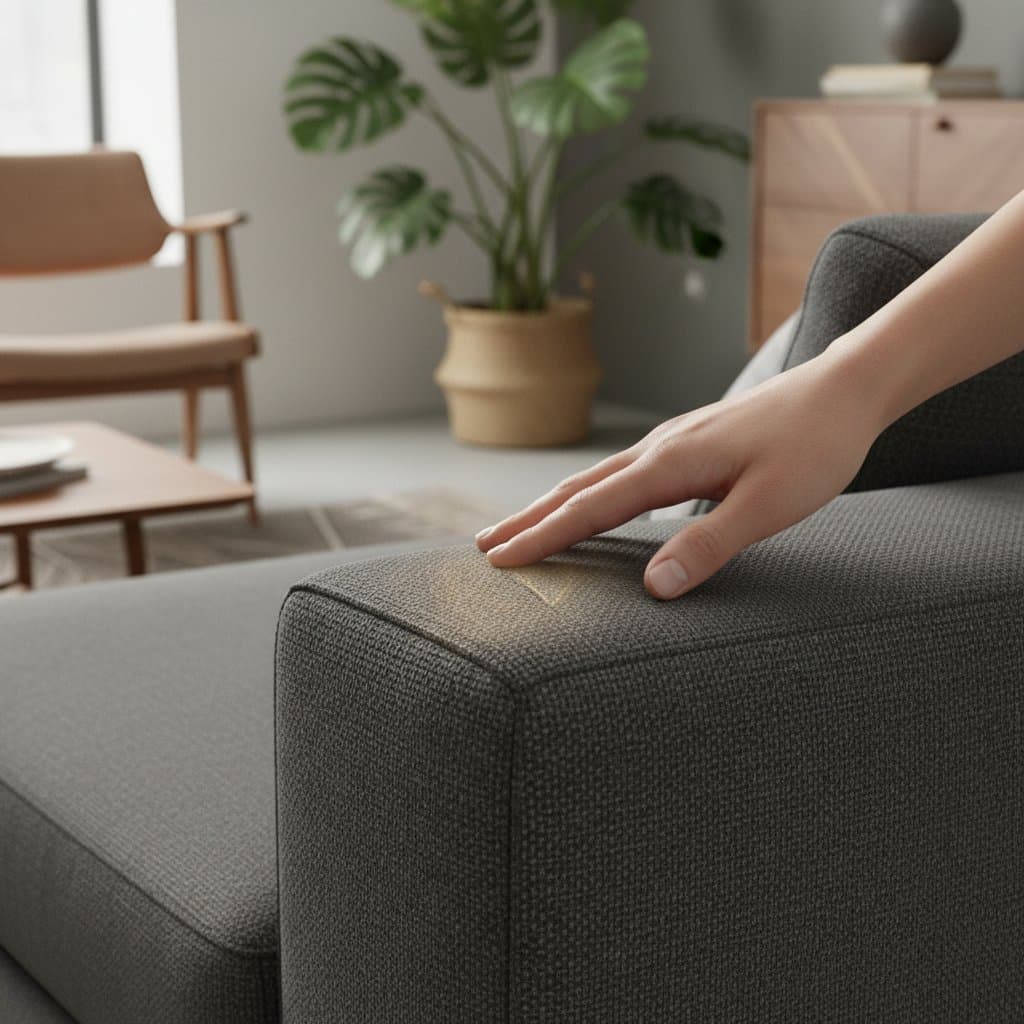
Self-Healing Fabrics Erase Upholstery Scratches Effortlessly
Furniture tells the story of daily life in every home. A sofa bears the imprint of family gatherings, a chair records hours of quiet reflection, and a bench witnesses shared meals. Over time, scratches and scuffs appear as marks of use. Self-healing fabrics offer a solution, repairing minor damage to keep upholstery looking pristine with minimal intervention. This innovation combines advanced materials with practical benefits, delivering durability, sustainability, and enduring style.
Why This Innovation Matters
Furniture represents a significant investment in comfort and personal expression. In apartments or spacious homes, pieces that remain attractive and functional enhance living spaces. Traditional upholstery withstands daily wear from pets, children, or routine activities only to a point. Replacement or reupholstering proves costly and environmentally burdensome. Self-healing fabrics address these challenges by enabling minor scratches to mend through exposure to warmth or friction. This approach introduces robust performance to ordinary settings without demanding specialized maintenance.
These textiles resemble conventional fabrics in appearance and touch. The underlying technology involves polymers embedded in the fibers that activate under specific conditions. A scratch triggers the fibers to contract and reform, erasing the imperfection in moments. This process relies on established material science rather than speculative concepts.
How It Works
Self-healing mechanisms operate at the molecular scale. Fibers incorporate coatings or elastic polymers that realign when disrupted. To initiate repair, apply gentle rubbing with the hand or low-level heat from a hair dryer. The fibers reposition, restoring the original texture and rendering scratches nearly undetectable.
Two primary categories of self-healing upholstery exist:
- Thermo-responsive fabrics, which activate with mild warmth.
- Pressure-activated textiles, which respond to friction or stretching.
These materials suit sofas, chairs, vehicle interiors, and office furnishings. Certain products integrate both mechanisms for versatile performance. The outcome yields upholstery that appears elegant, feels comfortable, and self-repairs after incidental damage.
Real-Life Application: From Everyday Homes to Professional Spaces
In a compact living room, a self-healing linen-style fabric upholsters a durable sectional sofa. This piece withstands activity from children and pets, including a cat prone to scratching. Faint claw marks vanish with a simple hand rub. The fabric, composed of polyester and polyurethane from Fabertex, matches the price of standard mid-range options while eliminating maintenance concerns.
Interior designers select these materials for high-traffic areas in hospitality venues. Restaurant booths covered in self-healing vinyl retain their polished surface amid heavy use. Corporate offices employ them in chairs to preserve a sharp look between cleaning sessions. The integration proves seamless, requiring no alterations to existing routines or equipment.
Material Options and Aesthetic Range
Self-healing technology accommodates diverse styles without compromise. Options span textures from subtle microfibers to smooth faux leathers, available in extensive color palettes. Popular varieties include:
- Polyurethane-based faux leather, replicating authentic leather with superior cleanability.
- Woven polyester blends, providing a gentle texture and faint luster.
- Hybrid fabrics, merging natural and synthetic elements for optimal comfort.
Shades extend from versatile neutrals like taupe and gray to bold hues such as indigo and green. Producers often employ eco-conscious dyes and water-based finishes to promote responsible manufacturing. These textiles work with conventional upholstery methods, enabling professional or amateur applications alike.
Budget and Accessibility
Initial perceptions positioned self-healing fabrics as premium and costly. Production advances have lowered prices to align with mid-level upholstery, comparable to quality cotton weaves. Renters and novice decorators gain access to resilient, upscale-looking furniture without upkeep anxieties. Several retailers provide pre-upholstered items in these materials at reasonable costs, broadening availability across budgets.
Design Benefits Beyond Repair
These fabrics deliver more than self-repair capabilities. Integrated features often encompass stain resistance, water repellency, and fade protection against sunlight. Spills wipe away quickly, and colors hold vibrancy in bright environments. This multifaceted performance supports contemporary lifestyles that value endurance alongside visual appeal.
In limited spaces, the advantages amplify. Each furniture item must justify its presence, and premature replacement due to wear disrupts practicality. Self-healing upholstery prolongs aesthetics, minimizes environmental impact, and maximizes utility.
Maintenance Made Simple
Upkeep for self-healing upholstery requires basic practices. Follow these steps:
- Vacuum surfaces weekly with a soft brush to clear debris.
- Blot spills promptly using a damp cloth.
- Repair minor scratches by rubbing the area firmly with the hand to create friction. For stubborn marks, hold a hair dryer on low heat 6 inches away for 20 to 30 seconds.
- Limit cleaning to mild soap solutions; avoid chemical solvents that may damage polymers.
Proper handling preserves the self-healing function over extended periods. The properties reside within the fiber structure, ensuring longevity.
Environmental Benefits
Self-healing textiles contribute to ecological goals. Extended furniture life reduces landfill contributions and raw material needs. Recyclable polymers feature in many formulations, with some drawing from renewable plant sources. Households achieve attractive interiors with lower consumption, fostering sustainable habits.
This approach complements mindful decoration principles. It promotes selection of timeless pieces over fleeting fashions. Confidence in durability allows focus on personalized spaces rather than frequent updates.
Where to Find Self-Healing Upholstery
Fabric suppliers and furniture makers increasingly stock self-healing products. Search for terms like smart performance fabrics or self-restoring surfaces. Notable lines include:
- Fabertex Renew Collection for home applications.
- Ultrafabrics Brisa Series for business and vehicle use.
- Nanotex Smart Surface line, which pairs scratch repair with stain defense.
Obtain samples from vendors to evaluate personally. Test by lightly scoring the fabric with a fingernail, then applying friction or heat to observe recovery. Such hands-on assessment builds trust in the material's efficacy.
Embracing Durable Comfort
Incorporating self-healing upholstery transforms daily experiences. Minor accidents no longer result in permanent flaws, providing peace of mind. The feature operates unobtrusively, prioritizing enjoyment over vigilance. Households with active members or animals appreciate the reduced stress from everyday wear.
Ultimately, this innovation elevates design to support authentic living. Materials that mend and endure turn furniture into reliable companions, enhancing spaces where life unfolds.