
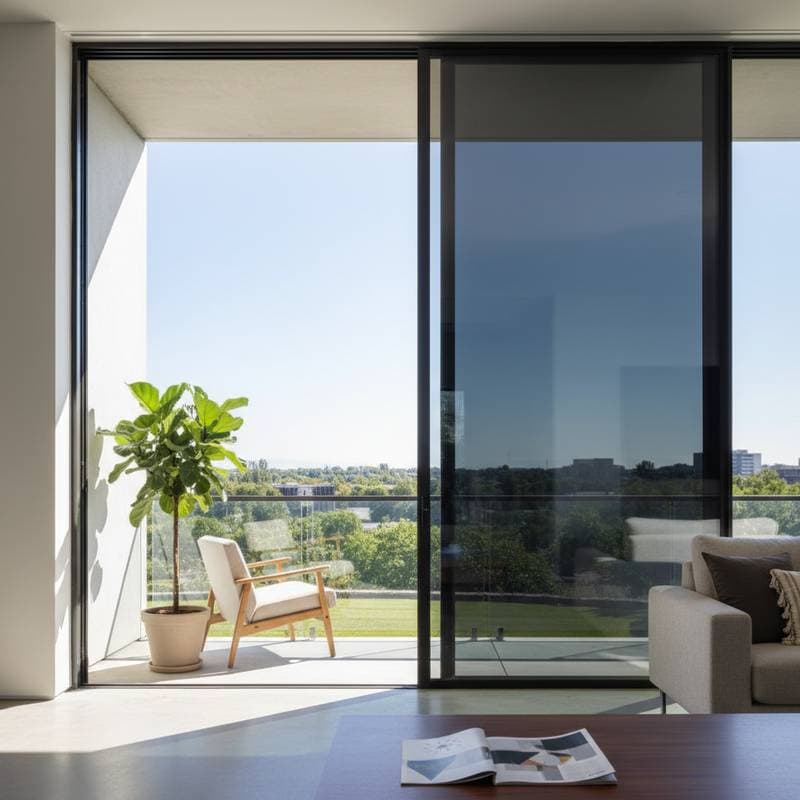
Effortless Sunlight Management with Auto-Tinting Films
Sunlight energizes spaces but often leads to glare on displays, furniture fading, and excessive indoor warmth. Conventional options such as blinds or curtains mitigate these issues yet frequently obscure desired daylight. Auto-tinting films address this by dynamically responding to light levels, offering precise control without mechanical components or manual intervention. Suitable for vehicle windows or expansive home panels, these photochromic materials ensure steady comfort through passive operation.
The Importance of Adaptive Tinting
People spend significant time indoors, where light influences mood, focus, and overall well-being. Excessive brightness prompts discomfort and strain, while insufficient light creates drab environments. Auto-tinting films maintain equilibrium by progressively darkening under intense sun and lightening in dimmer conditions, fostering a stable and inviting interior.
These films extend beyond comfort to deliver tangible advantages. They limit UV penetration to safeguard textiles and surfaces, enhance thermal regulation for lower energy use, and offer discreet privacy. For those avoiding expensive window overhauls, films provide an effective, non-invasive alternative.
Mechanics of Auto-Tinting Films
Photochromic films incorporate compounds sensitive to ultraviolet radiation. Exposure to sunlight triggers molecular reconfiguration, resulting in opacity. Reduced light prompts reversal, restoring transparency, with transitions occurring in mere seconds without power or moving elements.
Key variants include:
- Photochromic films, which primarily react to UV for optimal performance on sun-exposed surfaces.
- Thermochromic films, responsive to heat fluctuations, suited to regions with pronounced temperature variations.
Photochromic types dominate in homes and cars due to their reliable response to daily light shifts. Application to existing glass simplifies adoption, contrasting with powered alternatives that demand electrical integration.
Benefits of Seamless Responsiveness
The hallmark of auto-tinting films lies in their unobtrusive function. They operate without noise or delay, unlike automated shades or electrified panels. Users enjoy uninterrupted activities near windows, as spaces adapt naturally to avoid extremes of brightness or shadow.
This responsiveness bolsters eye comfort by diffusing screen reflections, facilitating prolonged work or leisure. In automobiles, it heightens road safety through glare reduction while preserving outward views.
Practical Uses Across Settings
Consider a small apartment featuring prominent south-oriented windows. The scenic outlook proves ideal until midday intensity overwhelms the room. Auto-tinting films enable sustained enjoyment of the vista, tinting subtly to curb glare and warmth without severing the outdoor link.
Office environments benefit from uniform illumination all day. Staff avoid frequent blind adjustments or workstation relocations, while decreased solar heat lowers cooling demands and operational expenses.
Automotive applications yield prompt gains. Operators gain enhanced forward vision in sunlight, diminished fatigue, and moderated cabin temperatures. Interiors endure longer, free from accelerated degradation.
Selecting Suitable Films
Performance varies among photochromic films, so evaluate these criteria:
- Tint spectrum: Options range from light filtering to substantial darkening; select according to desired light modulation.
- UV blockade: Prioritize models blocking 99 percent or more to shield occupants and materials.
- Visible light transmission (VLT): Lower values denote greater opacity; balance with ambient needs.
- Thermal rejection: Superior films deflect infrared to minimize heat accumulation.
- Glass compatibility: Confirm adherence to surface types, including low-emissivity coatings.
Consult installers for tailored advice, though DIY kits suit straightforward tasks. Vehicle applications typically warrant expert handling for seamless outcomes.
Aesthetic Integration
Effective films blend functionality with visual appeal, adopting neutral tones that harmonize with diverse decors. Choices span subtle grays, warm bronzes, or cool blues for nuanced enhancement.
In expansive layouts, uniform application preserves sightlines and color consistency, supplanting mismatched shade positions. This approach amplifies perceived space and architectural flow.
Removable variants accommodate transient setups, peeling cleanly for rental-friendly adjustments to light-sensitive areas.
Installation Approaches
Precision defines successful film application, demanding pristine surfaces and uniform adhesion to avert imperfections. DIY methods work for modest areas with basic tools, but complex surfaces benefit from professionals.
Standard procedure involves:
- Thorough glass cleansing using ammonia-free solutions.
- Precise measurement and oversized cutting of film sheets.
- Application of soapy water mist for slippage during positioning.
- Squeegee-guided placement to eliminate air pockets.
- Edge trimming and extended drying.
Curing depends on environmental factors, yet established films endure years with routine attention.
Upkeep and Durability
Routine care suffices: employ soft fabrics and gentle cleaners. Steer clear of abrasives to sustain optical quality. Premium selections resist degradation, often backed by fading warranties.
In sunny locales, advanced films justify costs via energy savings and preserved interiors. Automotive use similarly guards against component wear.
Sustainability and Efficiency Gains
Films curb solar heat influx, easing air conditioning reliance and trimming utility expenses alongside emissions. UV filtration prolongs asset life, curbing replacements.
Their non-powered nature outperforms active systems in eco-impact. Pairing with insulation amplifies overall efficiency for greener spaces.
Cost Considerations
Pricing spans basic DIY rolls to sophisticated professional-grade sheets. Selective use on key exposures optimizes value.
Vehicle costs factor window dimensions; warranties often accompany services. Returns manifest in comfort upgrades and reduced maintenance.
Essential Product Insights
- Recommended brands: 3M, Llumar, and SolarGard deliver reliable photochromic solutions for varied applications.
- Tone options: Gray for sleek minimalism, bronze for cozy warmth, blue for fresh vibrancy.
- Technical specs: Top models reject 99 percent UV and 80 percent infrared.
- Tools needed: Squeegees, microfiber cloths, and spray applicators for precision.
- Care routine: Mild soap solutions and gentle wiping prevent damage.
- Rental options: Adhesive-free films enable easy removal and reapplication.
- Comfort perks: Glare control supports seamless digital and print engagement.
Embracing Adaptive Light
Integrated films fade into routine, delivering equilibrium from dawn to dusk. Mornings bring gentle illumination for routines, afternoons shield against peaks, and evenings restore clarity.
This passive harmony fosters environmental attunement, eliminating manual tweaks for serene indoor-outdoor synergy. Auto-tinting films exemplify refined innovation: unobtrusive, effective, and aligned with contemporary priorities for homes, workplaces, and travel.