
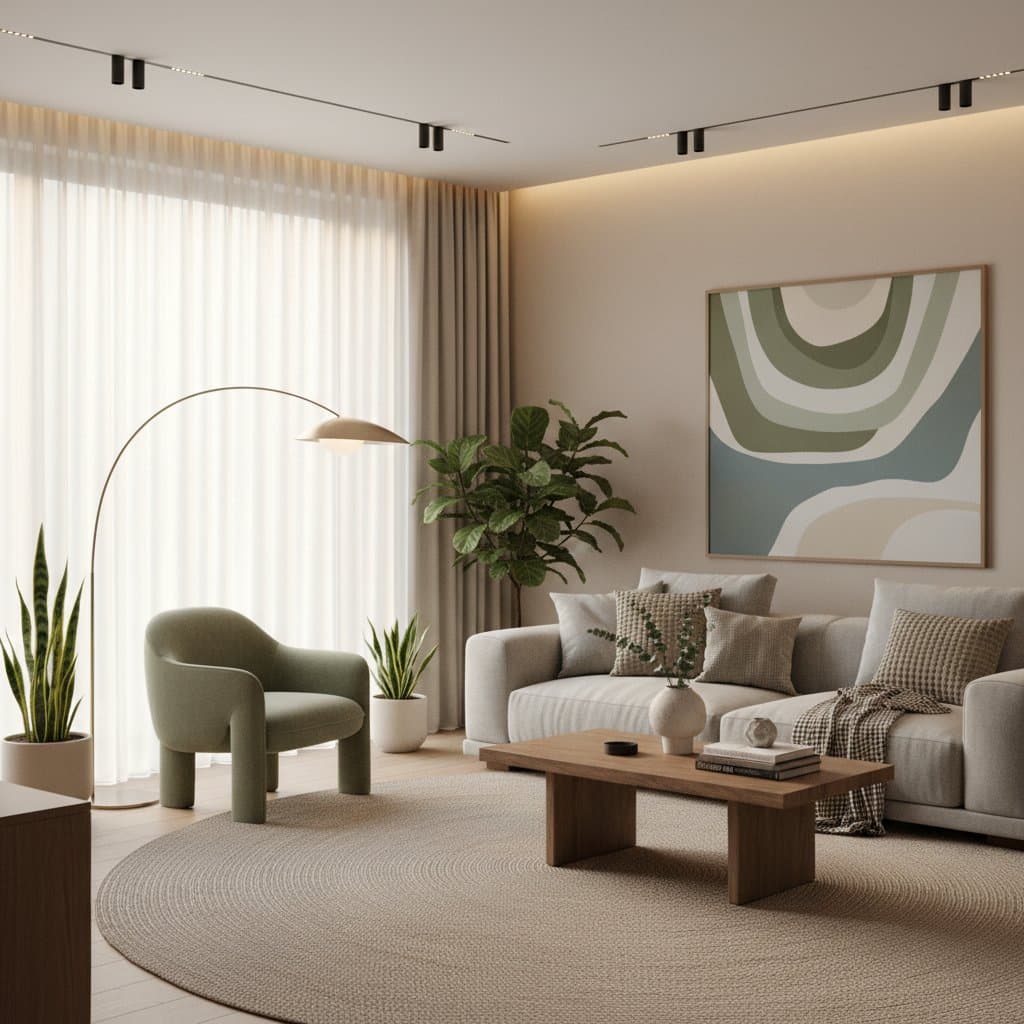
Brain-Based Design Principles for Mental Well-Being
Create home environments that foster serene moods and enhanced cognition. Insights from neuroscience enable you to craft spaces that facilitate mental resets, improved concentration, and deeper rest.
Numerous residences appear aesthetically pleasing yet induce unease or fatigue. Such effects arise when design elements conflict with the brain's processing of light, color, and spatial arrangements.
This guide outlines brain-based design techniques to develop interiors that mitigate stress and elevate emotional states.
Important consideration: These recommendations promote beneficial design practices, not clinical interventions. For individuals experiencing diagnosed anxiety or depression, such designs complement professional therapy but do not substitute for it.
Essential Concepts
Brain-based design, alternatively termed neuroaesthetics, examines neural responses to visual, auditory, and tactile elements within environments. Central to this field is the recognition that physical surroundings directly impact the nervous system. Factors including illumination, patterns, acoustics, and materials can either soothe or overwhelm neural activity. Begin with modest modifications, evaluate their effects, and monitor physiological reactions for optimal results.
Recommended Tools and Materials
- Sources of natural daylight or warm-white LED lighting
- Paint samples in muted neutral hues
- Low-maintenance plants like pothos or peace lilies
- Essential cleaning supplies for managing clutter
- Fabrics such as cotton or linen
- A journal to record shifts in emotional states
Implementation Steps
1. Balance Illumination Levels
The brain relies on light signals to regulate wakefulness. During daytime activities, prioritize bright, diffused natural light; in evenings, opt for gentle, warm illumination. Strategically place mirrors to distribute daylight further into interiors. Steer clear of intense overhead lights that produce stark shadows, as they can heighten alertness inappropriately.
2. Select Calming Color Palettes
Opt for subdued blues, greens, and warm neutrals to ease physiological tension. Introduce bolder tones sparingly, perhaps via accent pillows or artwork. Color psychologist Dr. Katharina Wolf, consultant at Studio Sense, notes, "Your brain links gentle color transitions with safety and ease." Experiment with paint samples on sizable sheets before full application.
3. Declutter Visual Landscapes
Overloaded shelving and intricate patterns exhaust neural processing. Maintain open surfaces and organize items by category or shade for quicker visual interpretation, thereby reducing mental strain. For cherished collections, curate a limited display and refresh selections with the seasons.
4. Incorporate Tactile Elements for Stability
Sleek surfaces like glass or metal convey coolness and stimulation. In contrast, plush textures such as wool or raw wood promote relaxation. Combine these for equilibrium. Install sensory anchors at thresholds, like braided rugs or timber benches, to ease the transition from external pressures to domestic serenity.
5. Integrate Biophilic Indicators
Evolutionary adaptations make natural motifs signal security to the brain. Position foliage adjacent to workspaces or incorporate imagery of vistas and waterways. For those concerned with upkeep, select resilient flora or preserved botanicals. Ensure window vistas remain unobstructed to amplify perceived spaciousness.
6. Manage Acoustic Environments
Abrupt sounds trigger cortisol release. Employ drapery, flooring, and cushioned seating to dampen reverberations. Introduce subtle ambient audio or embrace periods of silence to allow neural recovery. Minimize persistent device or media noise.
7. Optimize Spatial Navigation
The brain favors intuitive circulation. Configure furnishings to support fluid, unobstructed pathways. Eliminate abrupt edges proximate to lounging areas or constricted corridors. In compact layouts, select diminutive furniture and pale tones to visually expand areas.
8. Designate Recovery Areas
Establish dedicated zones with minimized sensory stimuli. Soften lighting, eliminate diversions, and utilize plush materials. Such setups cue the brain to enter restorative phases. A simple window-side armchair, reserved solely for contemplative pauses, suffices.
9. Monitor Personal Reactions
Over several days, observe sensations across rooms. Jot brief entries on vitality, attentiveness, or unease levels. Indicators like steadier respiration or reduced restlessness suggest effective neural alignment. Refine adjustments accordingly.
Recommended Practices and Pitfalls
Recommended Practices
- Prioritize natural illumination prior to supplemental sources.
- Ensure seamless color shifts between areas.
- Blend varied textures to enhance tactile appeal.
- Incorporate organic components such as timber or vegetation.
- Evaluate impacts on rest and productivity after alterations.
Pitfalls to Avoid
- Saturate walls with elaborate motifs.
- Combine excessive vivid hues within single zones.
- Overlook ambient sounds from machinery or electronics.
- Deploy potent artificial fragrances that provoke migraines.
- Presume universal calming effects across individuals.
Engaging Professional Expertise
For endeavors requiring electrical modifications for fixtures, architectural alterations, or specialized acoustic treatments, consult certified professionals or wellness-oriented designers. Seek experts promptly if addressing concerns like mold proliferation, inadequate airflow, or concealed moisture issues, as these directly impair cognitive function and demand specialized remediation.
Budget and Timeline Overview
Modest updates involving coatings, botanicals, and fabrics typically range from several dozen to several hundred dollars. Extensive modifications, such as fixture installations or glazing enhancements, may extend into the low thousands. Compact initiatives require a weekend for preparation and a few days for execution. Primary expenses stem from component durability, workforce charges, and selection quality.
Ongoing Care
- Clean surfaces weekly to maintain air purity.
- Hydrate plants weekly or as required.
- Adjust lighting seasonally for optimal intensity.
- Refresh coatings every few years as hues diminish.
- Inspect for accumulation monthly.
Renewal signals encompass disrupted slumber, persistent inattention, or heightened auditory intolerance within the residence.
Strategies for Lasting Impact
Initiate with a single sensory aspect; illumination offers the simplest entry and yields profound influence. Progress to pigmentation and tactility once lighting harmonizes. Employ your journal to identify correlations in disposition and vigor.
In shared dwellings, establish a consensus on foundational neutrality, permitting personal flourishes in private sectors. Collective tranquility areas thrive with reduced visual rivalry.
Interior designer Maya Linton, founder of Calm Form Studio, observes, "Our brains crave coherence. When a room's light, color, and texture speak the same language, stress drops almost instantly."
Resist fleeting fads introducing perceptual clutter, like ornate wall coverings or stark contrasts. Brain-based design emphasizes solace and lucidity over stylistic declarations.
For olfactory trials, select a single subtle botanical essence, such as lavender or cedar. Aromas influence the limbic system, governing affective responses; excessive intensity may counteract intended repose.
Sustaining Neural Harmony at Home
Integrate these principles gradually to cultivate enduring calm. Regular assessments ensure your space evolves with your needs, supporting sustained mental resilience. As your environment aligns with neural preferences, daily life gains clarity and ease.