
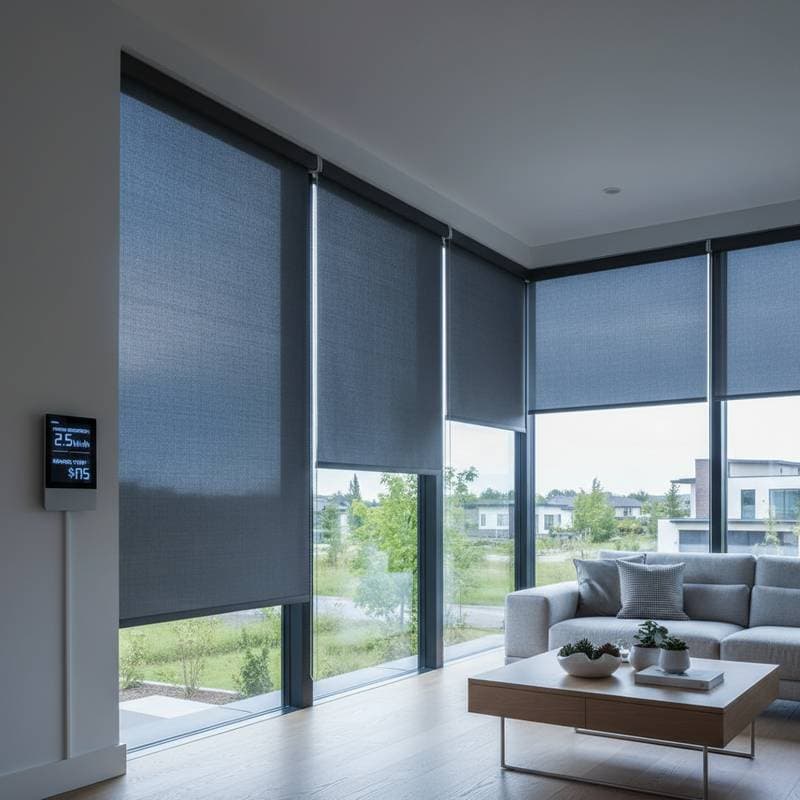
Solar Shades: Harnessing Sunlight for Energy and Efficiency
Solar shades represent an innovative blend of window treatments and renewable energy technology. These specialized shades integrate photovoltaic materials directly into the fabric, allowing them to capture sunlight and convert it into usable electricity. Homeowners gain a practical way to generate power without major structural changes to their properties.
Traditional window shades block light and heat, but solar shades go further by transforming that energy into electricity. This dual function reduces reliance on grid power while maintaining interior comfort. As solar technology advances, these shades become accessible options for sustainable living.
How Photovoltaic Fabrics Function in Solar Shades
Photovoltaic fabrics contain thin solar cells woven into the material, enabling the shade to act as a solar panel. When sunlight strikes the fabric, it excites electrons to produce direct current, which an inverter converts to alternating current for home use. This process occurs passively as the shades operate normally, rolling up and down to control light.
The efficiency of these fabrics reaches up to 10 percent, lower than rigid panels but sufficient for supplemental power like charging devices or running small appliances. Durability ensures the fabrics withstand daily use, with protective coatings resisting UV degradation. Manufacturers design them in various opacities to balance energy generation with privacy and view preservation.
Benefits of Installing Solar Shades
Solar shades lower utility bills by offsetting electricity costs through on-site generation. In sunny regions, they produce meaningful energy yields, potentially saving hundreds of dollars annually. Additionally, they reduce indoor heat gain, easing the load on air conditioning systems.
Environmental advantages include decreased carbon emissions from reduced fossil fuel dependence. These shades support green building standards without compromising aesthetics, fitting seamlessly into modern or traditional home designs. Long-term, they enhance property value as energy-efficient features appeal to eco-conscious buyers.
Installation Process for Solar Shades
Professional installation begins with measuring windows to ensure precise fit. Technicians mount brackets above the window frames, securing the shade roller mechanism. Wiring connects the photovoltaic fabric to a micro-inverter or charge controller, routing cables discreetly along the frame or into the wall.
For DIY enthusiasts, kits include all necessary components and step-by-step guides. Start by assembling the roller and attaching solar cells if not pre-integrated. Test the system before full deployment to confirm power output and shade operation.
- Measure window dimensions accurately.
- Install mounting hardware securely.
- Connect electrical components following safety guidelines.
- Calibrate the shade for smooth movement.
Homeowners should consult local codes for any permitting requirements, especially for electrical integrations.
Costs, Maintenance, and Efficiency Tips
Initial costs for solar shades range from $500 to $2,000 per window, depending on size and features. Factors include fabric quality, motorization options, and integrated storage batteries. Incentives like tax credits can offset up to 30 percent of expenses, making the investment more affordable.
Maintenance involves occasional cleaning with a soft brush or mild soap to remove dust from the photovoltaic surface. Inspect connections annually to prevent corrosion. Avoid harsh chemicals that might damage the solar cells.
To maximize efficiency, position shades to receive direct sunlight during peak hours. Combine them with energy-efficient windows for compounded benefits. Monitor output via included apps or meters to track savings and adjust usage patterns.
Realizing Savings Through Smart Implementation
Solar shades offer a straightforward path to energy independence and cost reduction. By integrating them thoughtfully, homeowners create efficient, comfortable spaces powered by the sun. Explore options tailored to your home to start benefiting from this technology today.