
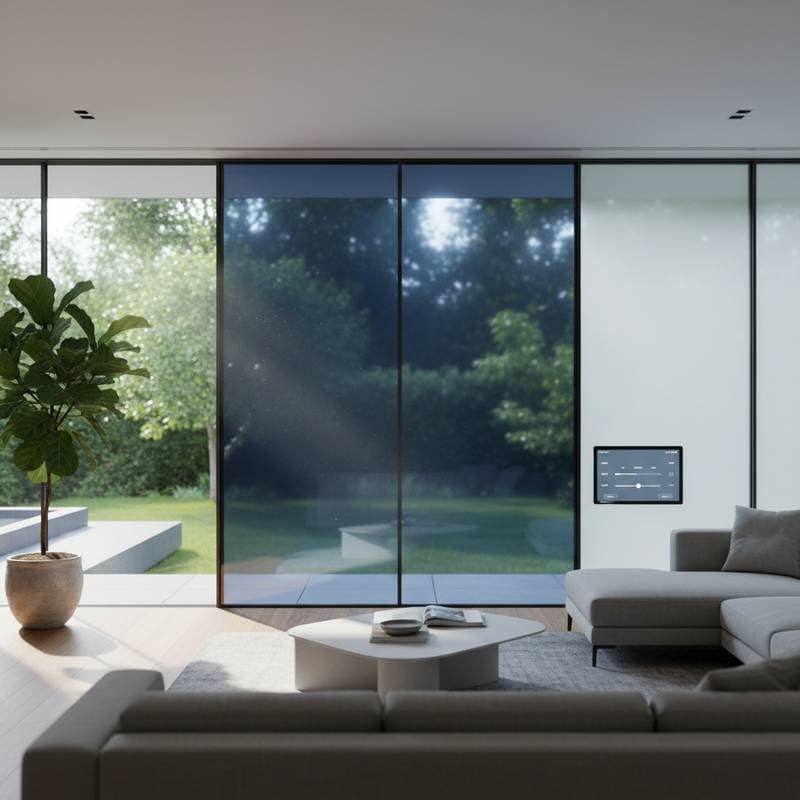
Electrochromic Windows: The Smart Alternative to Traditional Blinds
Electrochromic windows represent a significant advancement in building technology. These innovative glass panels adjust their tint electronically to control light and heat entering a space. Homeowners and architects increasingly choose them over conventional blinds for their seamless integration and efficiency.
Understanding Electrochromic Technology
Electrochromic glass contains a thin layer of material that changes opacity when voltage is applied. This process, known as electrochromism, allows the glass to shift from clear to tinted in seconds. Users control the level of tint through switches, apps, or automated systems, providing precise management of natural light.
The technology relies on ions moving within the glass layers to alter light transmission. When clear, the windows allow up to 60 percent of visible light through. In tinted mode, this drops to as low as 1 percent, effectively blocking glare and ultraviolet rays without obstructing the view.
Key Benefits for Light and Heat Management
One primary advantage lies in daylight control. Electrochromic windows eliminate the need for manual adjustments, maintaining consistent indoor lighting throughout the day. This feature reduces eye strain and enhances productivity in offices or comfort in homes.
Energy efficiency stands out as another benefit. By dynamically blocking solar heat gain, these windows lower cooling demands during summer months. Studies indicate potential reductions in energy use by 20 to 30 percent in buildings equipped with such systems.
Privacy receives a boost as well. The tint obscures views from outside while preserving the outward panorama. This creates a secure environment without the clutter of shades or curtains.
Design and Aesthetic Advantages
Electrochromic windows offer a minimalist aesthetic that aligns with contemporary architecture. Their frameless appearance contributes to expansive, unobstructed views. Unlike blinds, which can accumulate dust and require frequent cleaning, these windows demand minimal upkeep.
Customization options extend to various glass thicknesses and frame integrations. Designers incorporate them into residential facades, commercial skyscrapers, and even automotive applications. The result is a sleek, modern look that elevates any space.
Comparing to Traditional Blinds
Traditional blinds provide basic light blocking but fall short in versatility. They often fail to regulate heat effectively and can create uneven shading. Raising or lowering them disrupts routines and may lead to wear over time.
In contrast, electrochromic windows operate silently and respond to environmental sensors. For instance, they can automatically tint in response to rising sunlight intensity. This automation saves time and ensures optimal conditions without user intervention.
Maintenance differs markedly. Blinds collect allergens and need periodic replacement, whereas electrochromic glass requires only occasional professional servicing. Over a decade, the long-term savings in cleaning and repairs become evident.
Installation Process and Considerations
Installing electrochromic windows involves several steps. First, professionals assess the building's structure to ensure compatibility with existing frames. Retrofitting existing windows uses specialized films applied to the glass surface.
For new constructions, integration occurs during the design phase. Electricians wire the system to power sources and control interfaces. Calibration follows to fine-tune response times and tint levels.
Users should consider power requirements, as the system draws minimal electricity, typically less than a light bulb. Backup options, such as manual overrides, provide reliability during outages.
Cost Analysis and Return on Investment
Initial costs for electrochromic windows range higher than standard glass or blinds. A single window might cost several thousand dollars, depending on size and features. However, incentives like energy rebates can offset expenses.
The return on investment materializes through reduced utility bills. In warm climates, savings on air conditioning alone can recoup costs within five to seven years. Property values also increase due to the added technological appeal.
Businesses benefit similarly. Commercial installations yield faster payback through lower operational costs and improved occupant satisfaction.
Smart Home Integration
Electrochromic windows connect effortlessly to smart home ecosystems. Compatibility with platforms like Google Home or Amazon Alexa enables voice commands for tint adjustments. Sensors link them to thermostats, optimizing temperature alongside light.
Advanced setups incorporate AI to predict usage patterns. For example, the system tints windows before sunset to maintain evening comfort. This level of integration positions electrochromic technology at the forefront of intelligent living.
Embracing the Future of Window Technology
Electrochromic windows transform how spaces interact with their environment. They deliver customizable light, enhanced efficiency, and enduring style without the drawbacks of traditional coverings. As adoption grows, these smart solutions promise broader accessibility and innovation in everyday architecture.