
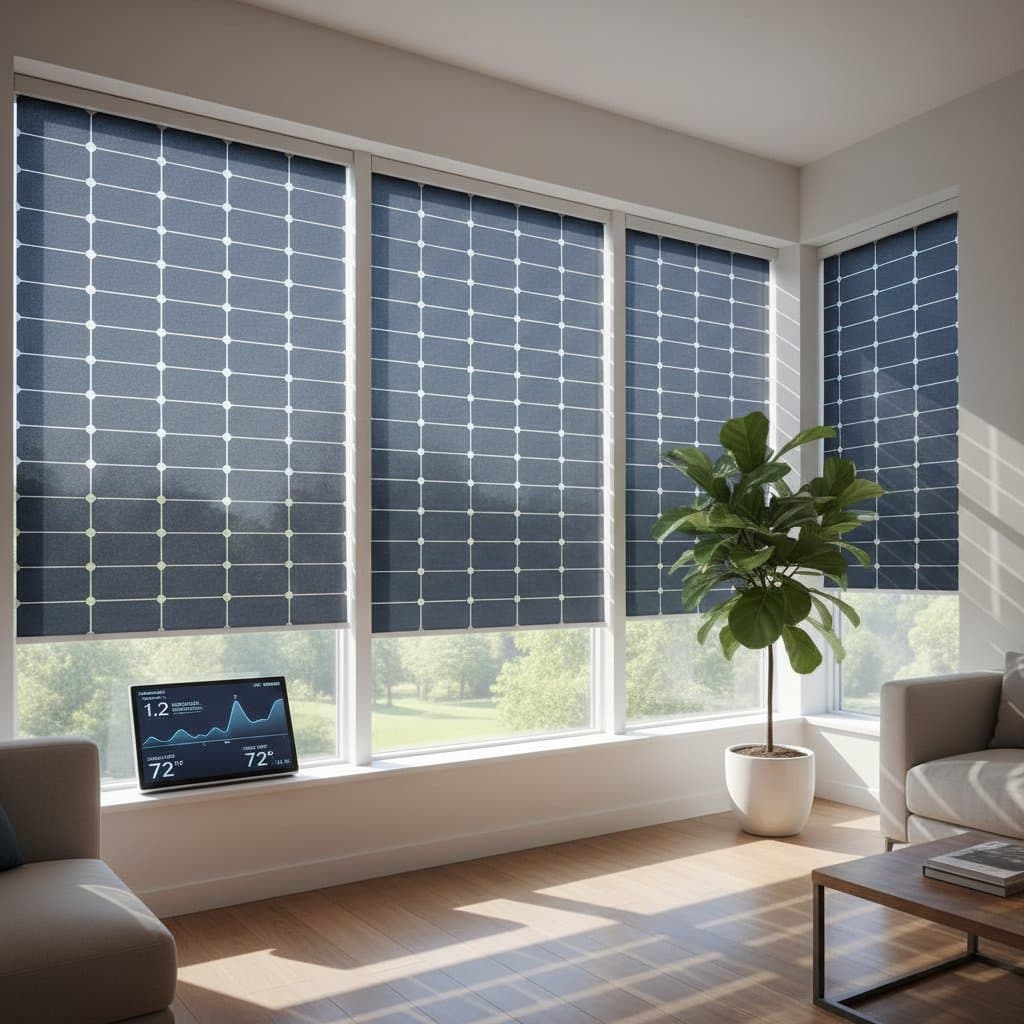
Solar Shades: Harnessing Sunlight Through Your Windows
Windows represent untapped potential for energy generation in many homes. Solar shades integrate photovoltaic technology directly into window coverings, converting sunlight into usable electricity while providing shade and reducing cooling needs. This dual functionality addresses common issues like high energy costs and inefficient solar utilization.
Standard window treatments often block sunlight entirely or allow it to escape unused. Solar shades capture this resource, generating power for household use and easing the load on traditional energy sources. The following sections detail the mechanics, installation process, maintenance requirements, and professional considerations to help you evaluate and implement this technology effectively.
Note that optimal performance depends on direct sunlight exposure. Windows facing north or obstructed by foliage may yield limited results, so site assessment proves essential before purchase.
Understanding Solar Shade Technology
Solar shades incorporate thin-film photovoltaic cells embedded within the shade material or attached to roller mechanisms. These cells absorb photons from sunlight, exciting electrons to produce direct current electricity. The generated power can charge portable devices, operate low-wattage appliances, or integrate with home systems via inverters that convert it to alternating current.
Efficiency varies by design, with high-quality models achieving up to 10-15% conversion rates under ideal conditions. Factors influencing output include shade size, cell density, and orientation. For instance, a standard 3-foot by 4-foot shade might produce 20-50 watts on a clear day, sufficient for LED lighting or phone charging.
Safety remains paramount. Systems must comply with electrical standards, using insulated wiring and ground-fault protection. Consult local building codes to ensure compatibility with your home's infrastructure, particularly for grid-tied setups that require net metering approvals.
Essential Tools and Materials for Installation
Proper preparation minimizes errors and ensures durability. Gather these items before starting:
- Measuring tape for precise dimensions
- Cordless drill or screwdriver for secure mounting
- Level to verify even installation
- Mounting brackets, typically provided with the shade kit
- Solar shade assembly, selected for your window specifications
- Power inverter or adapter, if the system outputs DC power
- Cable clips and covers for organized wiring
- Sturdy ladder for accessing higher placements
For walls made of drywall, include wall anchors rated for the shade's weight, which can reach 10-20 pounds for larger units. Electrical tape and wire strippers may assist with connections, but avoid altering factory wiring.
Detailed Installation Guide
Follow these steps methodically to achieve a secure and functional setup. Allocate 2-4 hours per window, depending on complexity.
-
Measure accurately. Position the tape inside the window frame, noting width at the top, middle, and bottom, plus height from sill to head. Account for any obstructions like handles. Order custom shades to fit within 1/8 inch tolerance, eliminating gaps that reduce efficiency.
-
Evaluate sunlight exposure. Observe the window during peak hours (10 a.m. to 3 p.m.) to gauge direct rays. South- and west-facing orientations maximize yield; tools like solar path finders or apps can predict annual exposure. Relocate obstructing plants if feasible.
-
Prepare the mounting surface. Clean the frame or wall area. Mark bracket positions per the manual, ensuring they align horizontally with a level. Pre-drill pilot holes in wood or masonry to prevent cracking.
-
Attach the brackets. Secure with provided screws, applying even pressure. For heavier shades, reinforce with additional anchors. Double-check stability by applying gentle force.
-
Assemble and mount the shade. Unroll or extend the shade fully, then insert the roller ends into the brackets until they click. Test manual or motorized operation for smooth movement.
-
Wire the electrical components. Connect the shade's output lead to the inverter or battery pack, following color-coded instructions (red for positive, black for negative). Use junction boxes for multiple connections.
-
Verify functionality. Expose the shade to sunlight and monitor the output meter. Expect initial readings to stabilize after 10-15 minutes. Troubleshoot low output by cleaning cells or adjusting angle.
-
Finalize aesthetics and safety. Route cables along the frame using adhesive clips, avoiding pinch points. Apply end caps to exposed wires. Step back to inspect for hazards like loose parts.
-
Integrate monitoring tools. Pair with compatible apps via Bluetooth for real-time data on energy production, consumption patterns, and alerts for underperformance.
Best Practices and Common Pitfalls
Adhering to guidelines extends system life and optimizes returns. Consider these recommendations:
Recommended Actions
- Gently dust photovoltaic surfaces weekly using a soft cloth and distilled water to maintain transparency.
- Adhere strictly to the provided electrical schematic, testing connections with a multimeter.
- Select UL-listed components to meet fire and electrical safety benchmarks.
- Assess your home's load capacity before grid integration; consult utility providers for incentives.
Actions to Avoid
- Refrain from applying chemical cleaners, which can etch delicate cells.
- Ensure at least 2 inches of clearance around the shade for ventilation, preventing thermal throttling.
- Handle fabric carefully during adjustments to preserve cell integrity.
- Steer clear of mounting near utilities; use a stud finder to locate hidden lines.
Professional Assistance Scenarios
While basic installations suit handy homeowners, certain situations demand expert intervention. Engage a certified electrician for any grid connection, as improper setup risks overloads or code violations. Similarly, seek window specialists for custom frames or multi-story access.
Signs warranting immediate professional review include inconsistent power generation, exposed conductors, or integration with smart home ecosystems like Alexa or Nest. Budget $200-500 for such services, which often include warranties and performance tuning.
Investment Overview and Timeline
Costs for solar shades span $200 for basic single-window units to $1,500 for advanced, multi-panel systems with batteries. Factors driving price include energy output (watts per square foot), material durability, and automation features. Compare this to traditional solar panels, where shades offer easier retrofitting without roof modifications.
Installation typically requires 1-3 hours per window for DIY efforts. Professional setups extend to half a day, factoring in electrical work. Payback periods range from 5-10 years through energy savings of 10-20% on cooling and electricity bills, plus potential rebates.
Ongoing Maintenance Strategies
Regular care sustains efficiency above 90% over years. Schedule these tasks:
- Monthly: Wipe cells with a microfiber cloth, avoiding streaks that scatter light.
- Quarterly: Examine wiring for insulation wear or corrosion, especially in humid climates.
- Biannually: Readjust shade angles to align with solstice shifts, boosting seasonal output by up to 15%.
- As needed: Swap out faulty modules; most manufacturers offer 10-25 year warranties on cells.
Declining output below 80% of rated capacity or panel fading indicates professional diagnostics. Track metrics via logs to identify patterns, such as seasonal dips addressable by cleaning.
Realizing Energy Savings with Solar Shades
By leveraging existing windows, solar shades deliver sustainable power without major renovations. Strategic placement in high-sun areas yields measurable reductions in utility dependence, enhancing home comfort year-round. Start with one window to test viability, then scale for broader impact on your energy footprint.