
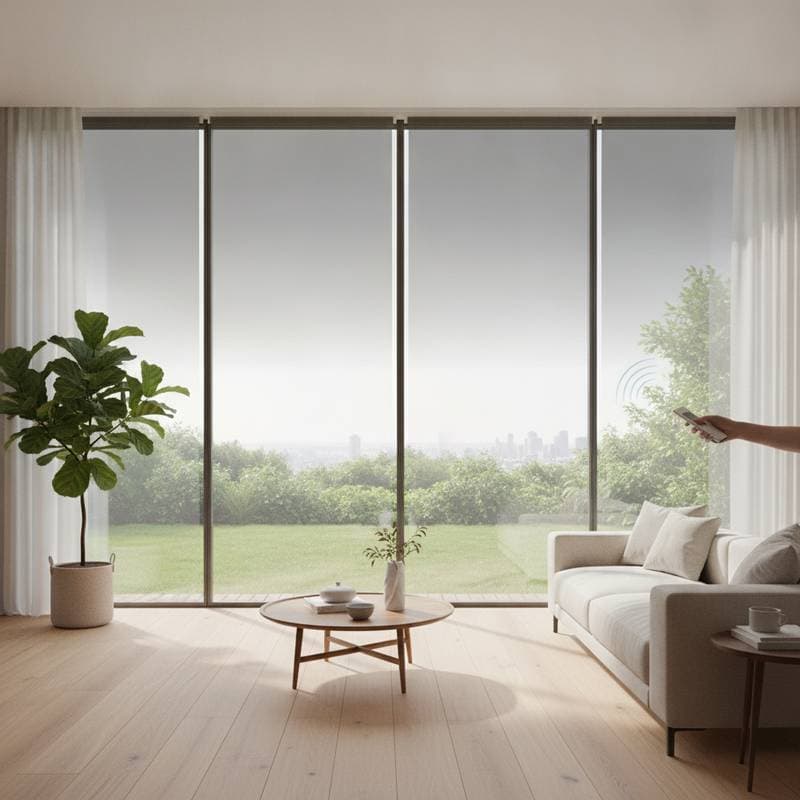
Light-Adaptive Films Cut Glare Without Blocking Views
Light-adaptive window films offer a streamlined alternative to traditional curtains. These coatings respond to sunlight by adjusting their tint. The result is reduced glare and heat while views remain unobstructed.
Core Advantages Over Curtains
Curtains collect dust and obstruct light even when open. Light-adaptive films avoid these issues by staying fixed to the glass. They maintain a clean appearance and allow precise control over brightness throughout the day.
Select films that block at least 99 percent of ultraviolet rays. Confirm compatibility with your specific glass type before purchase. This step prevents adhesion failures and preserves window warranties.
Required Tools and Materials
- Measuring tape
- Utility knife with fresh blade
- Spray bottle filled with soapy water (one teaspoon mild dish soap per quart of water)
- Plastic squeegee
- Lint-free cloths
- Ammonia-free window cleaner
- Pre-cut light-adaptive film
A microfiber towel supports final polishing when needed.
Installation Process
Measure the Windows
Record the width and height inside each frame. Add one inch to every side for trimming after placement. Accurate measurements reduce waste and ensure clean edges.
Prepare the Glass
Clean each pane thoroughly with ammonia-free solution. Remove all dust and residue. Any remaining particles create bubbles that expand over time.
Position the Film
Mist the glass with soapy water. Peel the protective backing and mist the adhesive side as well. Align the film at the top edge and lower it slowly into place.
Remove Air and Moisture
Squeegee from the center toward the edges. Work methodically to expel all water and air pockets. Trim excess material with a steady blade once the surface lies flat.
Allow two full days for curing before any cleaning. Initial haze disappears as residual moisture evaporates.
Application Guidelines
Recommended practices
- Clean surfaces completely before contact.
- Maintain a light water layer during positioning.
- Verify ultraviolet and heat rejection ratings on product labels.
- Use sharp blades to prevent tears.
Practices to avoid
- Installation during cold or humid conditions.
- Ammonia-based cleaners on the finished surface.
- Excessive pressure that stretches the material.
- Application to cracked, textured, or frosted glass.
Professional Installation Considerations
Large bay windows, multi-pane assemblies, and glass above stairwells benefit from professional handling. Installers confirm structural compatibility and protect existing warranties. Expect higher precision and faster completion when access or scale presents challenges.
Investment and Duration
Quality light-adaptive films cost between eight and twenty dollars per square foot. An average room with four standard windows totals between one hundred fifty and four hundred dollars in materials. Beginners complete the work in one to three hours.
Film grade, window dimensions, and installer involvement determine final expense.
Ongoing Care
Clean monthly with mild soap and water. Inspect edges regularly for lifting or trapped moisture. Replace panels that lose responsiveness or develop cloudiness. Most products maintain performance for several years under normal conditions.
Technical Operation
Photochromic or thermochromic layers react to light intensity or temperature. Increased sunlight triggers molecular changes that darken the film. Reduced light allows the film to clear. Materials scientist Dr. Lila Torres notes that these coatings operate without motors or electrical input.
Additional Performance Benefits
Reduced solar heat gain lowers cooling demands and stabilizes indoor temperatures. Ultraviolet filtration protects furnishings from fading. Certain products shift toward greater opacity under bright conditions to enhance privacy. The resulting appearance stays minimal and contemporary.
Film Selection Criteria
Photochromic options suit spaces with variable daylight. Thermochromic versions respond primarily to temperature swings. Electrochromic films require low-voltage power and integrate with home automation systems.
Visible light transmission ratings guide final choice. Fifty percent transmission suits living areas. Thirty-five percent or lower supports darker bedrooms.
Frequent Installation Errors
Dust left on glass creates expanding bubbles. Hot surfaces accelerate drying before smoothing is complete. Overlapped seams trap moisture and fail early. Rough cloths scratch the finished layer.
Integration With Existing Systems
Electrochromic films connect to smart thermostats and lighting controls. Photochromic films deliver comparable comfort without wiring. Both approaches reduce reliance on movable window treatments.
First Steps
Test the approach on a single window. Gather basic tools and follow the sequence outlined above. The change delivers consistent comfort, lower energy use, and an uncluttered interior.