
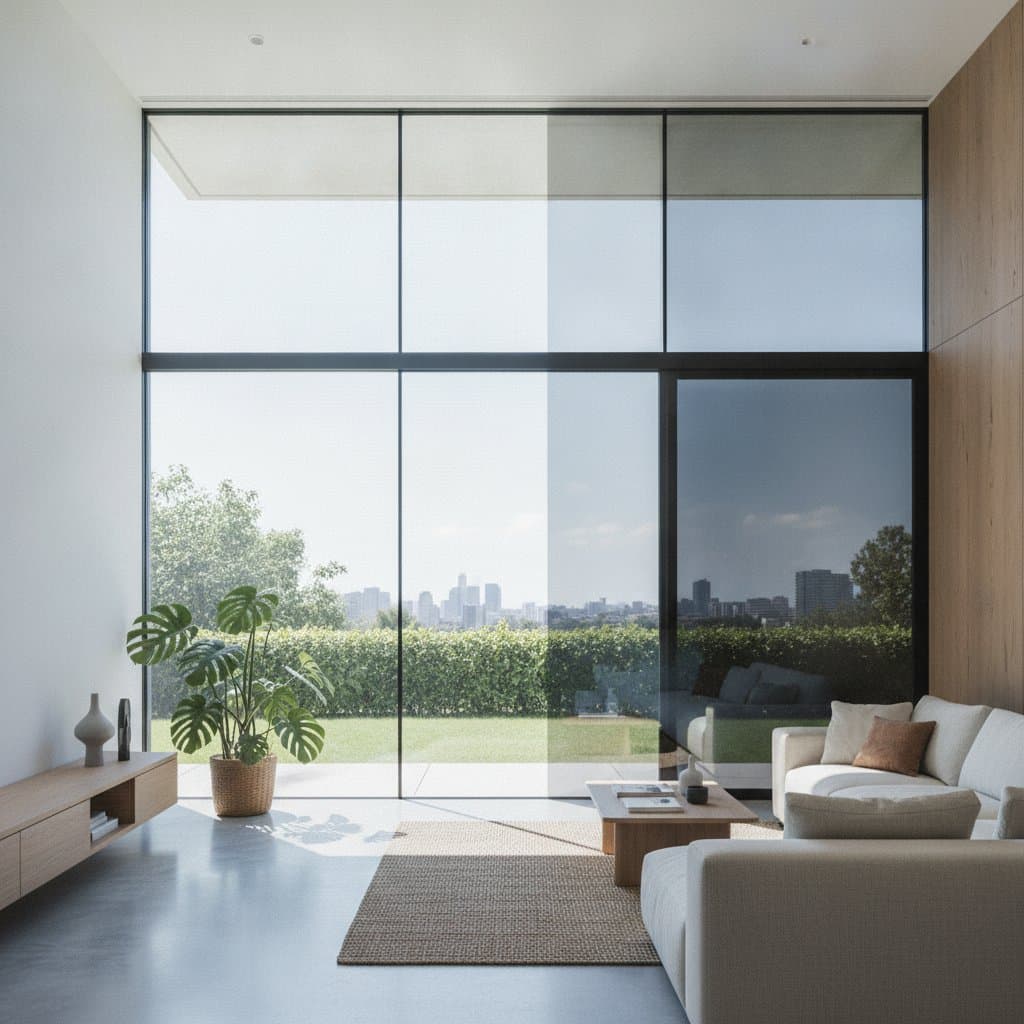
Auto-Adjusting Window Films Tint Glass on Demand
Most people enjoy natural light until rooms grow uncomfortably warm or bright. Curtains and blinds often force a choice between views and comfort. Auto-adjusting window films address this issue by changing tint automatically in response to sunlight. These photochromic films convert ordinary glass into surfaces that respond to light levels without added hardware.
The technology appeals because it reaches beyond luxury installations. Homeowners and renters alike can apply the films themselves using rolls sized for standard windows. Application requires only basic tools and leaves no permanent changes to the glass.
Practical Benefits for Daily Living
Reactive films manage several issues at once. They cut glare on screens, slow fading of fabrics, and stabilize indoor temperatures during peak sun hours. The result is a calmer interior that stays connected to outdoor views.
Renters value the reversible nature of many products. Static-cling versions adhere through surface tension alone. Users cut the material to fit, position it with soapy water, and remove it cleanly when needed. This flexibility supports experimentation on different exposures within the same home.
Common Light Challenges Before Installation
Sunlight often creates uneven wear on furniture and forces adjustments throughout the day. A living area comfortable in the morning can become difficult to use by midday. Home offices face added problems when glare shifts laptop screens out of readable range.
One resident noted that sheer curtains softened brightness without reducing heat, while closed blinds left the space dim and enclosed. Static coverings cannot adapt to changing conditions, which leaves most rooms either over-lit or under-lit.
Film Specifications and Selection
- Photochromic layer with integrated UV blocking and variable transmission near 50 percent
- Neutral gray tone that stays low in reflectivity
- Interior application via static cling using a squeegee and water solution
- Maintenance limited to occasional wiping with diluted mild soap
The film remains nearly undetectable when skies are overcast. Only direct sun triggers the tint change, preserving the original appearance of each window.
How These Films Compare with Alternatives
Fixed-tint films deliver constant shading that can feel too dark on cloudy days. Electrically switched glass offers control but demands wiring and professional fitting. Reactive films operate without power and adjust within seconds of sunlight exposure.
For typical residences the balance of cost, performance, and appearance favors photochromic options. They retain outward views at every tint level.
Recommended Locations
South-facing windows in living rooms receive the strongest benefit. Kitchens and bathrooms gain from reduced reflections on counters and fixtures. Home offices see less eye strain when screens sit near treated glass.
Conservatories and sunrooms become usable for longer periods once heat buildup is moderated. Similar materials appear on vehicle sunroofs, subject to local regulations.
Step-by-Step Application
Clean glass thoroughly. Cut the film slightly larger than the pane. Mist the surface with water containing a drop of dish soap. Position the film, slide it into alignment, then press out moisture and air with a squeegee. Trim edges once the film has set.
Start with a small window to build familiarity. Most errors can be corrected while the surface remains wet.
Care Over Time
Wipe with a soft cloth and avoid abrasive pads. Check edges periodically in humid rooms and re-seat any lifted corners with fresh moisture. Quality products incorporate UV stabilizers that resist yellowing for several years under normal conditions.
Energy and Material Conservation
Variable tinting lowers heat gain, which reduces cooling demand during warm months. Interior surfaces also stay protected from ultraviolet exposure, extending the life of furnishings and finishes.
Cost Considerations
A living room with four standard windows requires roughly 80 square feet of material. Mid-grade film brings the material cost near 185 dollars before tools. Professional installation adds a comparable amount. The total remains far below the expense of full smart-glass replacement, and renters can relocate the film to a new residence.