
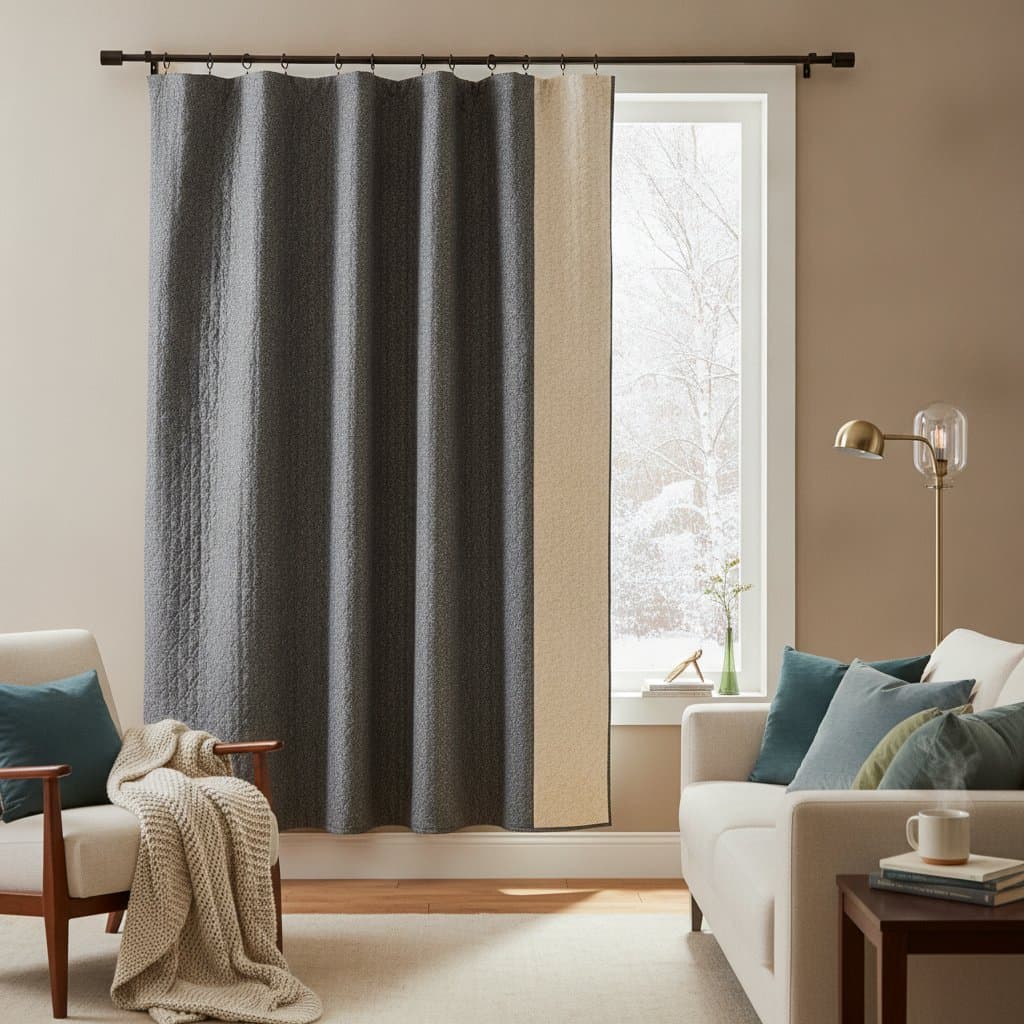
Soundproof Quilts That Block Noise and Winter Cold
A peaceful home feels like a luxury when thin walls, rattling windows, or street noise interrupt rest. Winter chill that creeps through glass panes makes the need for a combined solution even clearer. Soundproof quilts offer a practical and attractive way to reduce noise while retaining warmth.
These panels resemble ordinary curtains or wall hangings yet contain multiple layers that deliver measurable acoustic and thermal improvements. Apartments near busy streets and older homes with single pane windows both benefit from the added comfort.
Where to Use Soundproof Quilts
Soundproof quilts perform best in areas where noise and temperature changes are most noticeable. Typical placements include the following.
- Windows. Hang panels like curtains to block traffic sounds and drafts. Floor length designs with a close fit limit gaps around the edges.
- Doors. Attach quilts to the interior face using hook and loop tape or grommets to reduce hallway noise and incoming cold air.
- Walls. Cover shared surfaces in apartments, particularly in bedrooms and home offices.
- Ceilings or partitions. Suspend quilts from ceiling hooks to divide open spaces and lessen echo.
Installation remains renter friendly. Tension rods and removable hooks leave walls undamaged.
Measuring and Installing for Maximum Effect
Accurate measurements improve both sound control and insulation. Measure the window plus surrounding wall space. Extend each quilt six to eight inches beyond the frame on every side to limit sound leaks and heat loss.
Select wraparound rods that curve toward the wall and form a tight seal. Tall windows benefit from a weighted bottom hem or magnetic strip that holds fabric flat. Renters can rely on adhesive hooks or tension rods paired with lightweight grommeted panels.
Smart Storage and Maintenance
Thicker construction requires careful storage. Roll quilts rather than fold them to avoid creases. Seasonal storage in cotton bags with cedar blocks helps prevent moth damage.
Spot cleaning or dry cleaning suits most materials. Machine washing risks harm to insulation layers, so follow manufacturer guidance when metallic grommets or magnetic edges are present. Occasional vacuuming with a soft brush removes surface dust that can reduce effectiveness.
Brand and Product Examples
Ready made options exist across price ranges.
- AcoustiCurtain by Residential Acoustics uses multiple sound dampening layers and a magnetic edge seal.
- Moondream Soundproof Curtain adds acoustic and thermal layers in several colors and textures.
- Nicetown Thermal Insulated Drapes provide an economical polyester option that reduces echo and improves warmth.
Compare acoustic reduction ratings in decibels alongside thermal values. A reduction of five to seven decibels produces a perceptible change in quietness.
Designer and Homeowner Perspectives
Interior designer Clara Jensen notes that sound travels readily through windows and that multi layer quilted fabric functions as an effective soft barrier without construction work.
Homeowner Miguel Ortiz installed quilts in a street facing studio and observed that traffic noise receded while indoor temperatures stayed steadier during winter.
Daily Benefits After Installation
Once in place, soundproof quilts integrate smoothly into everyday routines. Traffic sounds fade, rooms retain warmth, and privacy increases. Energy costs often decline slightly because of better insulation.
The textured surfaces also contribute visual interest, which can reduce the need for additional decorations. Lighter curtains can replace the quilts in warmer months while the heavier panels remain ready for colder weather.
Soundproof quilts demonstrate that modest adjustments improve both comfort and livability throughout the year.