
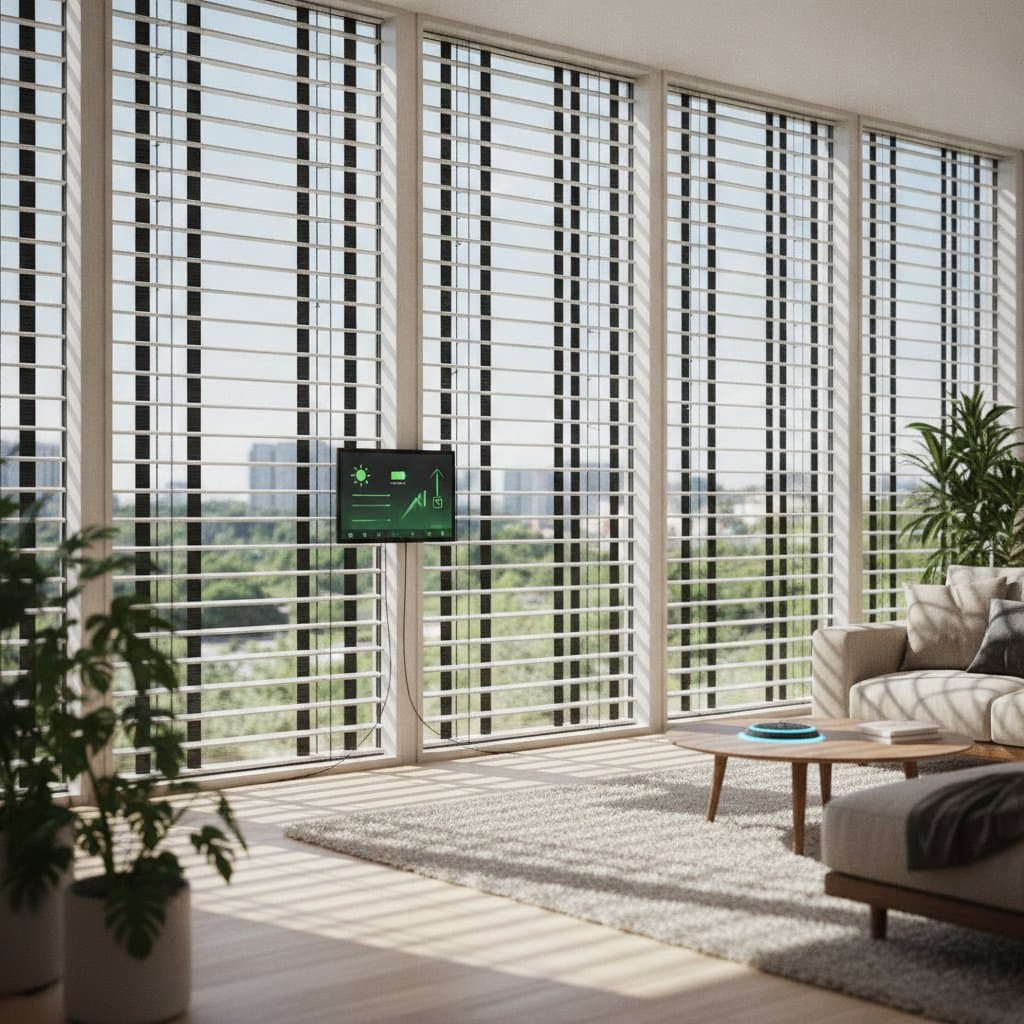
Solar Blinds Turn Windows Into Home Energy Sources
Windows traditionally provide light and ventilation. Solar blinds add electricity generation to these functions. Thin photovoltaic cells integrated into slats or fabric capture sunlight and convert it into usable power. This approach delivers renewable energy without requiring rooftop installations.
Practical Advantages for Homeowners and Renters
Rooftop solar systems often involve high costs and structural assessments. Solar blinds fit existing window frames and operate in apartments or houses alike. They begin producing electricity upon exposure to sunlight. Users gain reduced utility expenses along with improved temperature control and privacy.
Engineers refer to these products as micro power plants that align with building architecture. The design places renewable generation inside living spaces. Residents obtain greater oversight of household energy use while maintaining interior comfort.
Energy Conversion Process
Photovoltaic cells within each slat or fabric layer transform sunlight into direct current electricity. This power charges a battery stored in the headrail or routes into the home electrical system. Certain models link to mobile applications that adjust blind position according to light intensity or room temperature.
One south facing window equipped with these blinds can supply sufficient output for LED lamps or device chargers during peak daylight. Total yield varies with window dimensions, direction, and weather patterns. The consistent benefit remains access to energy from surfaces already present in the home.
Aesthetic Integration Options
Manufacturers produce solar blinds in finishes that match standard window treatments. Available styles include matte aluminum slats, neutral woven fabrics, and subtle patterns that soften incoming light. These choices support both minimalist rooms and traditional interiors.
White solar shades pair effectively with light wood flooring for a calm appearance. Darker graphite or bronze slats suit contemporary spaces. The range allows selection based on existing decor rather than compromise on style.
Installation Scenarios
A tenant in an urban apartment with large south facing windows can install solar blinds to lower monthly bills. The units reduce screen glare, limit summer heat, and provide daily power for small electronics. No exterior wall modifications are necessary.
Homeowners may combine solar blinds with existing rooftop arrays. Connection to a home battery stores daytime surplus for evening use. This combination increases overall system efficiency and decreases grid dependence.
Material Specifications
- Monocrystalline or thin film cells laminated into slats or fabric
- Recycled aluminum frames that resist corrosion
- Low glare coatings that preserve outward views
- Sensor driven controls compatible with home automation platforms
Budget options include semi transparent fabrics that retrofit current roller shades. These versions produce lower output yet allow initial testing at reduced cost. Clip on kits exist for users who prefer to adapt standard blinds themselves.
Additional Performance Benefits
Solar blinds moderate indoor temperatures by limiting heat gain in summer and retaining warmth in winter. They maintain privacy while preserving exterior sightlines. Ultraviolet filtering protects furnishings from fading. Integration with thermostats and lighting systems supports coordinated energy management.
Long Term Environmental Impact
Many models incorporate recyclable components and maintain output levels across extended periods. At end of service, aluminum and glass elements return to material streams. Household adoption of window based generation contributes to decentralized clean power production.
Selecting and Configuring Solar Blinds
Begin with measurement of south or west facing windows to determine solar exposure. Account for frame depth when ordering. Review product specifications for output estimates based on local conditions. Decide between automated sensors and manual operation as well as battery storage versus direct grid feed.