
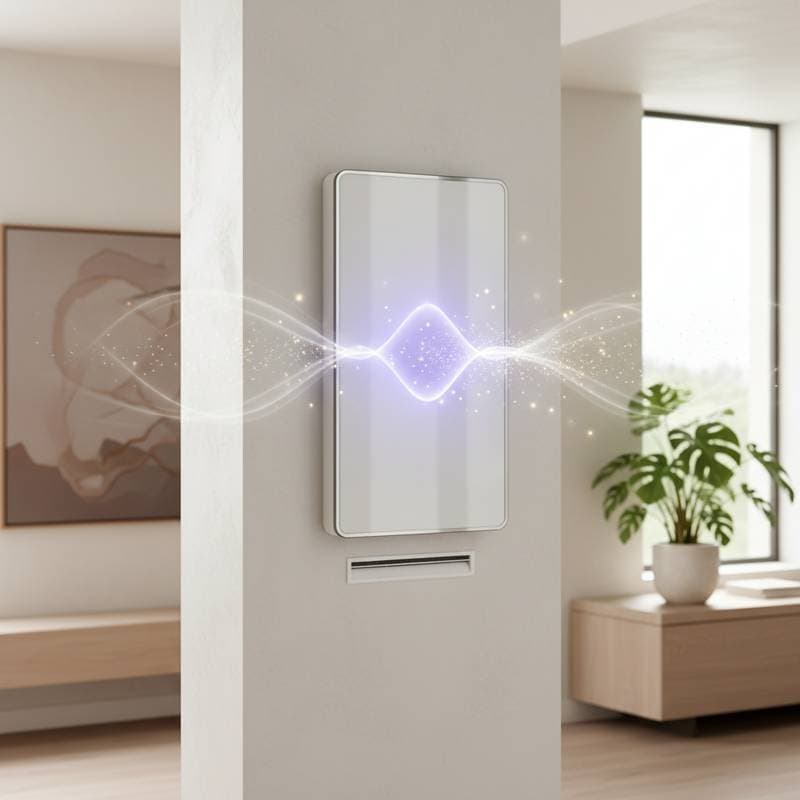
Essential Knowledge on UV-C Purification
UV-C represents a short-wavelength ultraviolet light that disrupts the genetic structure of microbes in the air, rendering them inactive. Systems direct airflow through a sealed chamber where the light operates, ensuring no leakage occurs.
Safety features include robust enclosures and certifications from independent testing bodies. Prioritize units designed for enclosed operation to maintain a secure environment.
Required Equipment
- Sealed UV-C air purification device or HVAC-compatible UV-C module
- Stable power source with grounding
- Microfiber cloth for surface maintenance
- Soft brush or canned air for vent cleaning
- Manufacturer's manual for guidelines on positioning and care
Existing air purifiers can integrate with a compact UV-C add-on for enhanced microbial control without full replacement.
Implementation Guide
1. Select an Appropriate UV-C System
Assess the area size first. Tabletop models suit spaces up to 200 square feet, ideal for bedrooms or small offices. For larger areas, opt for freestanding towers or wall units. Whole-home options integrate into HVAC ducts to treat circulating air comprehensively.
2. Verify Safety Specifications
Choose devices with fully enclosed UV-C chambers that contain the light entirely. Look for listings of safety certifications and features like automatic shutoff upon access. Steer clear of models showing any visible light emission into occupied spaces.
3. Position for Optimal Performance
Locate portable units centrally or along primary air circulation routes, maintaining at least one foot of space around intake and output vents. Avoid obstructed areas like corners or behind large items. Professional installation applies to HVAC integrations, typically in the return air duct.
4. Activate the System Securely
Connect to a grounded electrical outlet. Initiate operation for nonstop disinfection, as these units operate silently with minimal energy consumption. Observe status indicators to confirm the UV-C source remains functional.
5. Ensure Unobstructed Airflow
Regularly clear vents to sustain efficient air passage through the disinfection zone. Accumulated dust diminishes effectiveness. Perform weekly dry wiping of vents, keeping liquids away from electrical components.
6. Schedule Bulb Replacement
UV-C lamps typically endure 9 to 12 months of continuous operation before intensity declines. Adhere to the specified timeline, even if the bulb appears illuminated. Disconnect power prior to any access for replacement.
7. Perform Routine Exterior Cleaning
Use a dry, soft cloth to clean the outer surfaces. Refrain from direct application of cleaning agents. For internal vent dust, employ a gentle brush or compressed air, avoiding harsh chemicals that might degrade materials.
8. Integrate with Natural Ventilation
UV-C efficacy increases with active air movement. Incorporate open windows during suitable conditions or low-speed ceiling fans. This combination maximizes the volume of air processed hourly.
9. Track Purification Effectiveness
Employ an indoor air quality monitor to measure particulate levels, volatile organic compounds, and humidity. Consistent reductions in contaminants indicate successful operation of the UV-C system.
Best Practices and Precautions
Recommended Actions
- Confirm the device carries certification for enclosed UV-C application.
- Operate continuously to provide ongoing air treatment.
- Replace the bulb according to the manufacturer's interval to preserve disinfection power.
- Clean surrounding areas and vents to avoid dust interference.
- Review all safety protocols prior to initial use.
Actions to Avoid
- Never expose eyes or skin to UV-C sources or use unenclosed lamps in populated areas.
- Do not place units in humid locations without moisture-resistant ratings.
- Prevent airflow restrictions from nearby objects like drapes or furnishings.
- Avoid handling bulbs with the device powered on.
- Recognize that UV-C complements, but does not replace, ventilation or humidity management.
Professional Assistance Indicators
Engage a qualified technician for HVAC integrations or placements near electronics. They ensure precise positioning and electrical compliance. Consult experts if observing material degradation, odd smells, or irregular lamp behavior, which signal potential issues requiring professional intervention.
Investment and Effort Overview
Portable UV-C units range from 70 to 200 dollars, while tower or wall-mounted versions cost 250 to 600 dollars. HVAC systems begin at 400 dollars, potentially reaching over 1,000 dollars including professional setup.
Portable installation requires less than 15 minutes. HVAC modifications typically span one to two hours. Long-term expenses stay minimal due to low power draw and infrequent bulb changes.
Ongoing Care Schedule
- Weekly Tasks: Remove dust from vents and exterior surfaces.
- Monthly Checks: Inspect airflow efficiency and detect any fan irregularities.
- Annual Bulb Service: Exchange the UV-C lamp every 9 to 12 months.
- Early Intervention Cues: Address visible accumulations, airflow reductions, or elevated monitor readings promptly.
Perspectives from Specialists
Dr. Lena Morris, environmental health scientist at PureHome Consulting, explains that UV-C targets microbial DNA to halt reproduction. "It establishes a persistent level of air sanitation unmatched by filtration alone," she states.
She recommends a multifaceted strategy: ventilate regularly, conduct frequent vacuuming, and control humidity at 40 to 50 percent.
Ryan Cole, licensed HVAC technician with AirSafe Systems, warns against improper mounting that risks light exposure. "Prioritize sealed enclosures before activation," he advises. Proper setup outweighs lamp potency in ensuring safety.
Advantages Over Traditional Filtration
HEPA filters capture particles yet leave pathogens viable, requiring frequent, costly replacements that generate waste. UV-C inactivates microbes on contact without accumulation, eliminating maintenance burdens.
This approach reduces operational noise and expenses while complementing existing filters for dual-action protection in hybrid setups.
Addressing Frequent Concerns
A common issue involves ozone production, but compliant UV-C systems employ wavelengths that prevent this, often marked as ozone-free. Verify product specifications to confirm.
Radiation fears arise from misconceptions about leakage; sealed, certified enclosures contain the light fully, supporting safe, everyday application.
Implement UV-C Purification Effectively
Transition to UV-C by prioritizing secure, well-placed units in targeted spaces. Monitor outcomes with quality tools and scale up gradually. Sustain clear pathways and timely maintenance for reliable performance.
This method delivers persistent air cleanliness, freeing users from filter routines and promoting healthier living environments.