
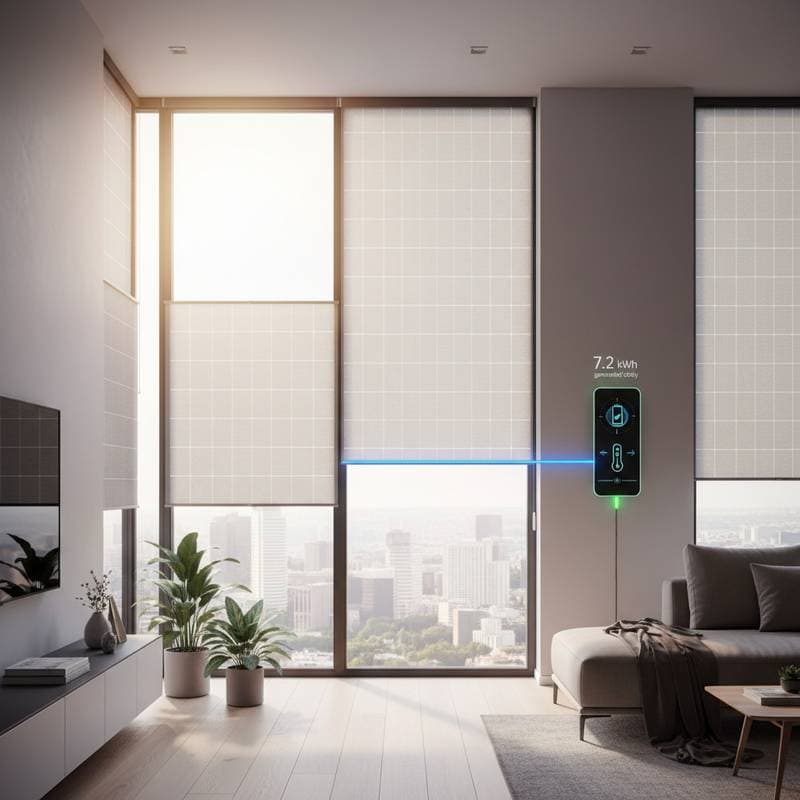
Solar Window Shades: Harnessing Sunlight for Power and Comfort
Solar window shades represent a breakthrough in home energy solutions. These innovative coverings integrate photovoltaic cells into traditional shade materials, allowing them to capture sunlight and convert it into usable electricity. At the same time, they provide effective insulation against heat, reducing reliance on air conditioning systems.
Homeowners increasingly seek ways to lower energy costs and environmental impact. Solar shades address both concerns by transforming passive window treatments into active energy producers. This article explores their functionality, installation process, performance metrics, and long-term value.
Understanding Solar Window Shades
Solar window shades consist of flexible solar panels embedded within shade fabrics. The photovoltaic material absorbs sunlight passing through windows, generating direct current electricity that can power small devices or feed into a home's electrical system. Unlike rigid solar panels on roofs, these shades adapt to various window sizes and styles, from roller shades to Roman blinds.
The technology builds on amorphous silicon or thin-film solar cells, which perform well in low-light conditions and maintain flexibility. When deployed, the shades block up to 90 percent of solar heat gain, keeping interiors cooler without sacrificing natural light. This dual purpose makes them ideal for sunny climates where overheating poses a significant challenge.
Manufacturers design these products for durability, using UV-resistant materials that withstand daily exposure. Integration with smart home systems allows remote control via apps, optimizing energy capture during peak sunlight hours. As a result, solar shades offer a seamless blend of aesthetics, functionality, and sustainability.
Key Benefits for Homeowners
One primary advantage lies in energy generation. A standard 4-foot by 6-foot shade can produce 50 to 100 watts of power under optimal conditions, enough to charge electronics or offset lighting costs. Over time, this output translates to reduced utility bills, with potential annual savings of 5 to 15 percent on electricity expenses.
Heat blocking capabilities further enhance efficiency. By reflecting infrared rays, solar shades lower indoor temperatures by 10 to 20 degrees Fahrenheit, decreasing air conditioning demands. This reduction not only saves energy but also extends the lifespan of HVAC equipment through less frequent operation.
Environmental benefits include decreased carbon emissions. Each shade offsets the equivalent of planting several trees annually by generating clean power locally. Additionally, they protect furnishings from fading, preserving the quality of carpets, curtains, and artwork exposed to UV light.
For renters or those in urban settings, solar shades provide a non-invasive upgrade. They require no roof modifications and install within existing window frames, making them accessible for apartments and historic homes alike.
Installation Process Step by Step
Installing solar window shades demands careful preparation to ensure maximum efficiency. Begin by measuring window dimensions accurately, accounting for depth and width to select the appropriate shade size. Consult product specifications to match the shade's solar capacity with your energy needs.
Gather necessary tools: a drill, level, screwdriver, and mounting brackets included with the kit. Position the shades inside or outside the window recess based on desired light control; inside mounts offer a streamlined look, while outside mounts capture more sunlight.
Secure the mounting brackets at the top of the window frame, using the level to ensure even alignment. Attach the shade roller or fabric to the brackets, then test the operation mechanism, whether manual pull or motorized. For wired models, connect to a power inverter to convert DC to AC electricity, routing cables discreetly along the frame.
Professional installation recommends for complex setups, such as those integrating with home batteries. Expect the process to take 1 to 2 hours per window, with costs ranging from 200 to 500 dollars per unit, depending on size and features.
Power Output and Performance Factors
Power generation varies with several factors. Sunlight intensity plays the largest role; shades in direct southern exposure yield higher outputs than those in shaded areas. Efficiency ratings typically range from 10 to 15 percent, lower than rooftop panels but sufficient for supplemental power.
Seasonal changes affect performance. Summer months provide peak production, while winter yields drop due to shorter days. To optimize, angle shades perpendicular to the sun's path and clean surfaces regularly to remove dust that reduces efficiency by up to 20 percent.
Integration with energy storage systems amplifies benefits. Pairing shades with batteries allows excess power storage for evening use, creating a microgrid for essential appliances. Monitoring apps track output in real-time, helping users adjust habits for better results.
Real-world examples demonstrate viability. In a typical three-window living room setup, owners report generating 200 to 400 kilowatt-hours annually, covering 10 percent of household needs. Such metrics underscore the shades' role in sustainable living.
Maintenance and Longevity
Routine care ensures solar shades perform reliably over time. Wipe fabrics monthly with a soft, damp cloth to remove debris, avoiding harsh chemicals that damage photovoltaic layers. Inspect connections quarterly for wear, especially in motorized units exposed to humidity.
Expect a lifespan of 10 to 15 years, with warranties covering defects in materials and workmanship. Fading or reduced output signals the need for replacement, though many models feature modular designs for easy panel swaps.
Cost considerations include initial investment offset by incentives. Tax credits for renewable energy installations can reduce upfront expenses by 30 percent. Long-term savings accumulate through lower bills and minimal upkeep, often achieving payback within 5 to 7 years.
Maximizing Savings and Sustainability
To fully leverage solar window shades, assess your home's solar potential using online calculators that factor in location and window orientation. Combine shades with other efficiency measures, such as LED lighting and insulation, for compounded effects.
Track progress with utility statements to quantify reductions in consumption. Engage with local energy programs for rebates, enhancing financial returns. Ultimately, these shades empower homeowners to contribute to a greener future while enjoying immediate comfort and cost benefits.
Adopting solar window shades transforms routine home maintenance into an opportunity for innovation. They deliver practical energy solutions that align with modern demands for efficiency and responsibility.