
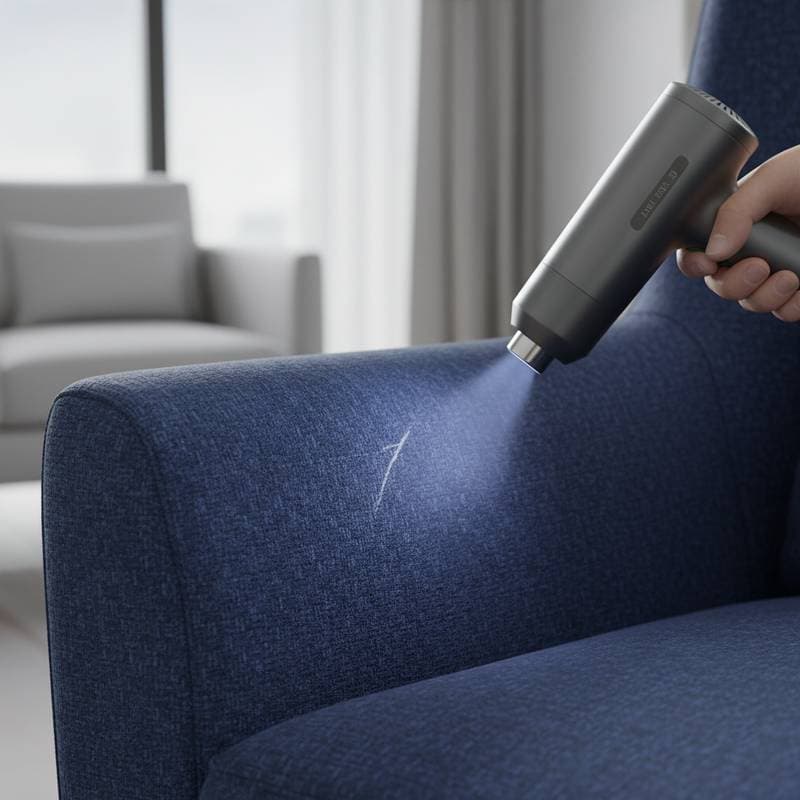
How Self-Healing Fabrics Repair Upholstery Scratches
Innovative self-healing fabrics offer a practical solution for maintaining the appearance of upholstered furniture. These advanced textiles can conceal minor scratches caused by daily use, such as those from pet claws, keys, or zipper edges, without requiring extensive repairs.
The process involves applying gentle heat or pressure to activate the fabric's built-in recovery mechanisms. This restores the surface's smoothness and color, often in under a minute. While these materials provide significant benefits, they perform best on superficial damage and require appropriate handling to avoid complications.
Homeowners benefit from reduced maintenance demands and prolonged furniture aesthetics. Selecting upholstery with self-healing properties represents a forward-thinking investment in durability and convenience.
Understanding Self-Healing Technology
Self-healing fabrics incorporate two primary mechanisms: elastic polymers and microcapsule systems. Elastic polymers function like memory foam, allowing fibers to rebound into their original position when stimulated by warmth. Microcapsule technology, on the other hand, embeds tiny reservoirs of healing agents within the fibers; a scratch ruptures these capsules, releasing resins that seal the gap and blend with the surrounding material.
Both approaches excel at addressing light to moderate surface abrasions, such as shallow gouges or scuffs. Deep punctures or cuts that penetrate the backing layer exceed the capabilities of this technology and demand alternative interventions. Before initiating any repair, verify the fabric composition through the manufacturer's label, as certain synthetic blends respond poorly to excessive heat and may deform.
Research into these materials continues to evolve, with newer formulations improving resistance to environmental factors like sunlight and humidity. This advancement ensures that treated areas maintain their integrity over time, contributing to overall fabric longevity.
Essential Tools and Materials
Gather these items to perform effective repairs at home:
- Clean microfiber cloth for gentle cleaning
- Warm water mixed with mild dish soap
- Hair dryer set to low heat or a warm iron
- White cotton pressing cloth to protect the surface
- Small soft-bristled brush for fiber realignment
For an alternative warming method, consider a low-heat handheld steamer, which provides even distribution without direct contact. These tools, commonly found in households, minimize the need for specialized equipment.
Step-by-Step Repair Guide
Follow these precise steps to activate the self-healing properties and minimize scratch visibility.
1. Inspect the Damage
Examine the scratch under bright, natural light to assess its severity. Surface-level marks appear as shallow disruptions in the texture, while deeper ones reveal underlying padding or foam. If the damage extends beyond the top layer, proceed to professional services rather than attempting self-repair.
2. Clean the Affected Area
Prepare a solution of one teaspoon mild dish soap dissolved in one cup of warm water. Dampen the microfiber cloth with this mixture and wipe the scratch lightly, avoiding saturation. Allow the area to air dry completely for at least five minutes to ensure no residue interferes with the healing process.
3. Apply Gentle Heat
Position the hair dryer approximately three inches from the surface and direct airflow in slow, sweeping motions for 30 seconds. This temperature rise, typically around 100 degrees Fahrenheit, mobilizes the polymers without risking fabric distortion. For iron use, select the lowest heat setting, cover the spot with the cotton pressing cloth, and apply light pressure for ten seconds while keeping the iron in motion.
4. Realign the Fibers
Use your fingertips or the soft brush to massage the area in gentle circular patterns for 20 to 30 seconds. This action encourages the fibers to settle evenly and promotes the even spread of any released healing agents. Maintain light pressure to prevent additional abrasion.
5. Allow Cooling Time
Leave the repaired spot undisturbed for ten minutes as it returns to room temperature. During this phase, the fibers contract and lock into their restored configuration, significantly reducing the scratch's appearance. Avoid handling the area to preserve the structural realignment.
6. Evaluate and Repeat if Necessary
Inspect the result under good lighting once cooled. If faint traces remain, repeat the heating and massaging steps, limiting to one additional cycle to prevent overexposure to heat. Persistent visibility may indicate a need for more intensive care.
7. Apply Finishing Treatment
Consult the fabric's care instructions for recommended conditioning sprays, which enhance elasticity and protect against future wear. Apply sparingly to the treated area after testing on an inconspicuous section, allowing it to dry fully before use.
Best Practices and Precautions
Recommended Actions
- Test heat application on a hidden area to confirm fabric tolerance.
- Employ soft, circular motions during cleaning and massaging.
- Keep heat sources in constant motion to distribute warmth uniformly.
- Prioritize cleaning to eliminate debris that could hinder the healing response.
Actions to Avoid
- Apply direct heat to unidentified synthetic materials without verification.
- Use harsh cleaners like alcohol, which degrade protective coatings.
- Exceed recommended heating durations to prevent texture flattening.
- Attempt repairs on severe damage, such as frayed edges or deep incisions.
Adhering to these guidelines ensures safe and effective results while preserving the fabric's warranty.
Professional Intervention Thresholds
Recognize when DIY methods fall short. Scratches that expose the inner lining, involve combined fabric and leather elements, or span multiple inches require expert attention. Upholstery specialists employ techniques like precise patching or custom reweaving to restore both appearance and structural integrity.
Attempting heat treatments on compromised backing can exacerbate damage or invalidate manufacturer guarantees. Schedule a consultation promptly for such cases to avoid costly escalations.
Time and Cost Considerations
Repairs demand minimal investment, relying on everyday household items. A conditioning spray bottle retails for approximately ten dollars, comparable to standard cleaning products. Individual treatments require ten to fifteen minutes, including preparation and cooling periods.
Larger areas, such as full cushions, may extend to 20 to 30 minutes due to the need for uniform heating. Over time, these methods yield substantial savings by deferring reupholstery expenses, which often exceed hundreds of dollars.
Ongoing Care Strategies
Preventive measures amplify the effectiveness of self-healing fabrics. Vacuum upholstery weekly with a soft brush attachment to dislodge abrasive particles. Trim pet nails regularly and discourage metal objects from contacting surfaces.
Apply protective sprays quarterly as per label guidelines to sustain polymer flexibility. Periodically warm high-traffic areas lightly to rejuvenate texture, ensuring consistent performance.
Extending the Life of Your Upholstered Furniture
Self-healing upholstery serves as a reliable safeguard against routine imperfections, allowing pieces to retain their appeal through years of use. This technology bridges the gap between everyday durability and aesthetic preservation, offering peace of mind for busy households.
By integrating these repair and maintenance routines, furniture remains inviting and functional. The result is extended enjoyment of quality pieces without the frequent need for replacements.