
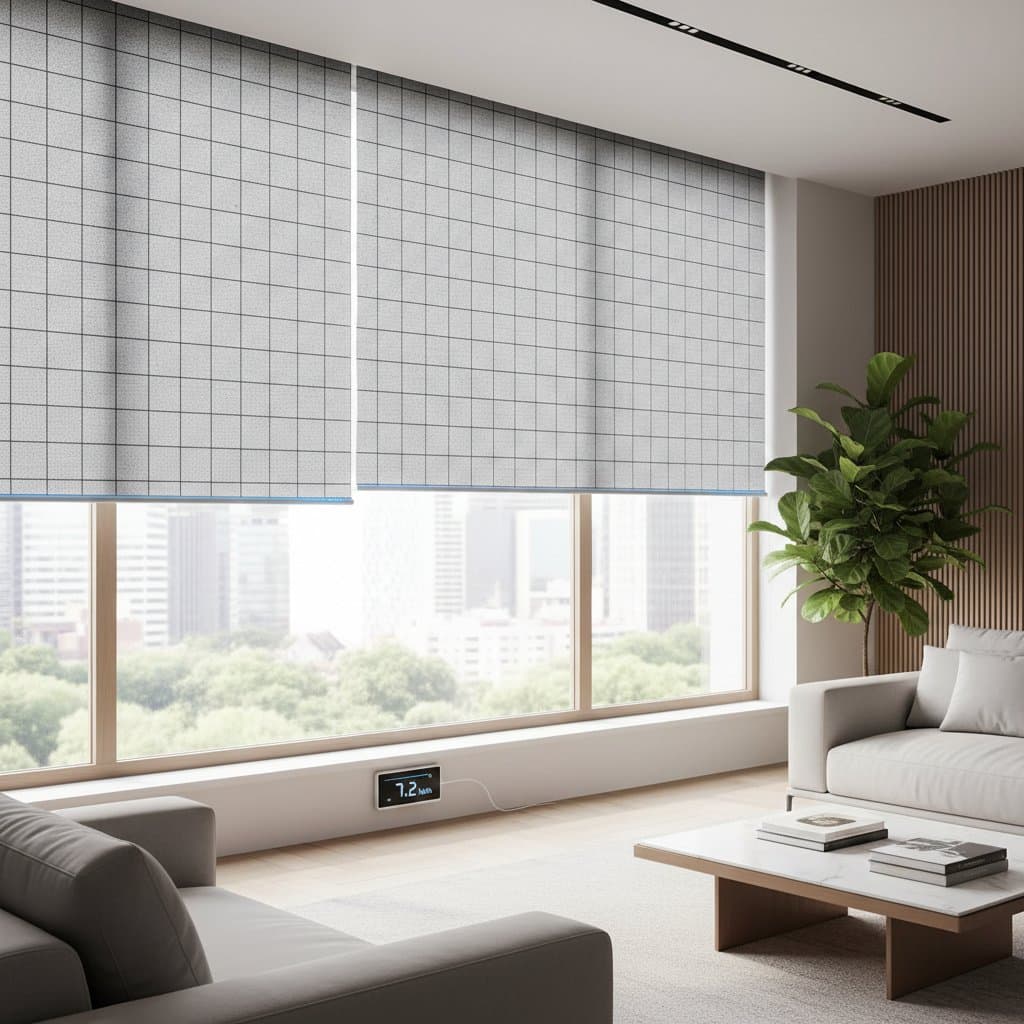
Solar Shades Powering the Future of Smart Homes
Window coverings that produce electricity while maintaining a cool indoor environment may appear advanced, yet solar-powered window shades represent a practical advancement in smart home technology. These shades unite energy production, automation, and visual appeal in a streamlined design. Beyond mere accessories, they advance sustainable living and integrate effortlessly into daily routines.
The Importance of Solar Shades
Windows in most homes allow significant heat loss. Conventional curtains or blinds manage sunlight effectively, yet they fail to generate energy or lessen dependence on utility grids. Solar shades, constructed with slender photovoltaic materials, alter this dynamic. They function as compact solar panels, absorbing sunlight through the glass and transforming it into practical electricity for household use.
This approach proves straightforward yet transformative. Energy creation occurs directly at the window surface, bypassing the need for rooftop installations. Such placement benefits apartments, rental properties, or structures where roof access poses challenges. Residents now engage in renewable energy generation without complex setups or regulatory approvals.
Operational Mechanics
Solar shades incorporate flexible photovoltaic films woven into the fabric. These films capture sunlight and convert it to direct current electricity, which charges integrated batteries or feeds into the home electrical system. The generated power operates the shade motors for raising and lowering or supports device charging, smart sensors, or supplementary solar arrays.
Under optimal sunlight, one equipped window generates sufficient electricity for its motor and several minor appliances. Across multiple windows, the total output yields substantial results. This harvested energy compensates for expenses related to electronics, lighting, or central smart systems.
Key Overview
- Primary Users: Homeowners and renters pursuing energy efficiency
- Suitable Locations: Any sunlit window, ranging from urban apartments to suburban residences
- Window Sizes: Accommodates all dimensions, from 24-inch kitchen panes to expansive floor-to-ceiling panels
- Design Philosophy: Merges renewable energy with contemporary automation
- Cost Spectrum: Entry-level DIY assemblies to high-end bespoke setups
Core Advantages in Practice
Solar shades excel by balancing aesthetics and functionality. Unlike cumbersome rooftop panels, they resemble standard window treatments. The photovoltaic layers offer translucency or tint options to control incoming light levels.
Energy conservation manifests doubly. The shades produce electricity while minimizing heat buildup and glare, thereby reducing air conditioning demands. During winter, programmed adjustments allow passive solar heating by elevating the shades as needed.
Automation enhances usability significantly. When linked to platforms such as Google Home or Apple HomeKit, the shades react to sunlight intensity, ambient temperature, or scheduled routines. Settings might include midday closure to block peak sun or gradual morning openings for soft natural illumination.
Privacy and comfort receive boosts as well. Remote adjustments function even during absences, safeguarding furnishings from UV damage and simulating occupancy for added security.
Fabric Options and Visual Adaptability
Contemporary solar fabrics feature diverse finishes. Certain variants interweave fine conductive threads for a tactile softness, while others apply laminated films for a sleek, understated appearance. Customization extends to hues, opacity, and light permeability.
Providers including SolarGaps, Pvilion, and Heliatek present varied material selections. Translucent light-gray photovoltaic fabric suits vibrant, modern interiors by preserving views and diffusing sunlight. Denser bronze or charcoal options deliver robust shading and elevated energy output for subdued spaces.
Reinforced aluminum edges, finished in powder-coated matte white or black, align with window frames. Motor enclosures recess into the header for seamless integration or mount externally for simplified assembly.
Installation Approaches for Diverse Settings
Two primary methods exist: plug-and-play configurations for transient spaces and hardwired integrations for permanent installations.
Plug-and-play models arrive fully assembled with integrated solar strips and battery units. Standard brackets secure them, and a wall outlet powers initial setup. These suit rentals or leases, allowing damage-free removal.
Hardwired variants connect to the home electrical grid, channeling power through a central inverter to augment broader solar efforts. Professional expertise ensures optimal placement, though efficiency and smart capabilities surpass basic units.
Both types support Wi-Fi or Bluetooth connectivity for app-controlled operations. Interfaces enable timetables, performance monitoring, and distant oversight.
Cost Analysis and Investment Value
Pricing aligns with motorized blinds for basic models, escalating for advanced photovoltaic efficiency and storage. Initial outlays for premium units yield long-term reductions.
A four-window setup on standard panes might harvest hundreds of watt-hours daily. Cumulative savings accelerate in sun-rich regions. Diminished cooling needs and preserved interiors compound financial gains.
Beyond economics, users gain autonomy and ecological alignment. Self-generated power fosters empowerment, while easing utility peak loads benefits communities.
Integrated Smart Capabilities
Solar shades harmonize with voice assistants and sensors for intuitive control. Commands like closing living room shades or activating evening modes adjust lighting, positioning, and climate seamlessly.
Light sensors enable automatic responses to shifting conditions, such as cloud cover or solar angles, maintaining balance without intervention. Temperature monitors fine-tune positions to sustain ideal indoor climates.
Onboard batteries ensure functionality during outages. Excess output may charge USB devices or sustain minor gadgets.
Technical Specifications
- Fabric Composition: Photovoltaic film embedded in polyester or fiberglass substrates
- Structural Elements: Aluminum frames with integrated wiring conduits, powder-coated finishes
- Control Methods: Smartphone applications, remotes, or voice commands
- Power Output: 30 to 150 watts per window, scaled by dimensions and sunlight exposure
- Upkeep Routine: Light dusting and microfiber cloth cleaning
- Affordable Alternatives: Adhesive film kits combined with manual rollers
Everyday Applications
In an urban apartment, solar roller shades on south-facing windows installed via brackets, solar accents, and app configuration. Afternoon temperatures declined noticeably, with output sufficient for motor operation and daily phone charging. For rentals, this represents tangible progress.
Suburban dwellers replacing living room drapes with SolarGaps custom blinds report amplified impacts. Their system offsets lighting consumption and unifies control through one interface. Air conditioning synchronization stabilizes temperatures automatically.
Deeper Environmental Impact
Solar shades embody efficient multifunctionality, merging shading and generation in resilient forms. Recyclable components and modular repairs extend longevity.
By curbing lighting and cooling reliance, they lower emissions indirectly. Visible integration normalizes renewables, framing windows as emblems of mindful habitation.
Potential Limitations and Selection Factors
Not all windows suit solar applications equally. North-oriented or shaded exposures yield minimal returns. Initial expenses exceed plain blinds, and wired setups demand experts.
Renters prioritize removable designs with portable power sources. Owners benefit from synergies with roof systems; verify inverter and storage matches during planning.
Getting Started with Solar Shades
Begin with a single window to evaluate performance. Compact kits reveal capture potential, with apps logging data to refine habits.
Select reputable makers disclosing verifiable outputs. Assess fabric transparencies and tones against decor. Uniform styling across windows enhances cohesion, solar-equipped or otherwise.
Coordinate selections thoughtfully to align with lifestyle and architecture.
Everyday Integration and Lasting Value
Installed solar shades operate unobtrusively, delivering cooler spaces, steady illumination, and quiet fulfillment via performance reviews. They demonstrate that eco-friendly choices enhance elegance without effort.
These enhancements foster broader shifts: energy conservation, waste reduction, and attuned living. Solar shades illustrate sustainable innovation as accessible and refined.