
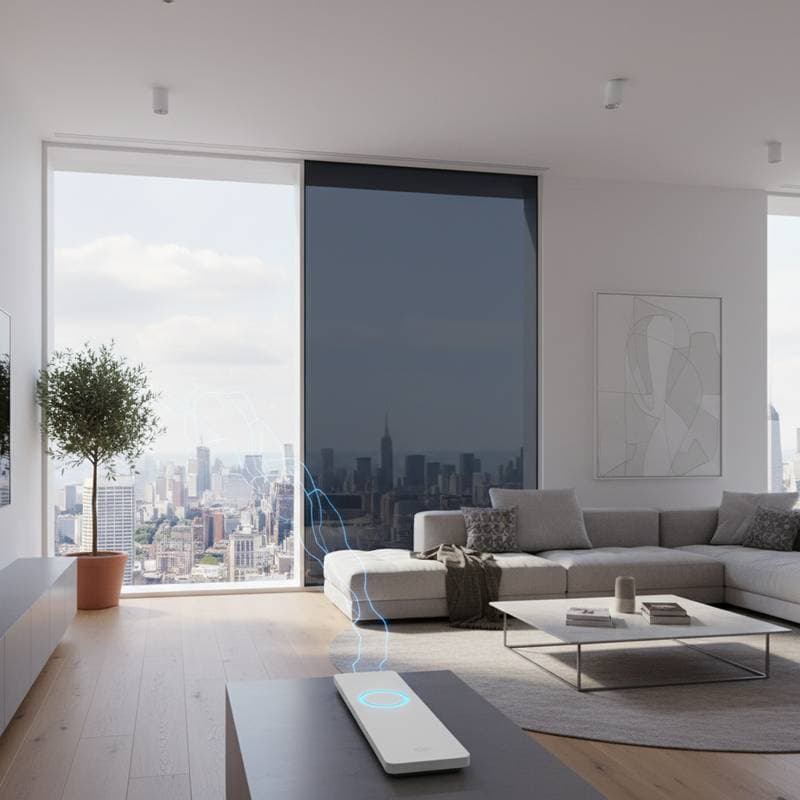
Smart Blackout Films: Replace Traditional Curtains
Achieve precise light control without the bulk of conventional curtains. Smart blackout films enable a seamless shift from natural daylight to full privacy through a single button activation.
For those frustrated by accumulating dust on drapes and the inconvenience of knotted cords, this resource provides a streamlined alternative. The following sections detail the fundamentals of smart films, secure installation procedures, and circumstances warranting professional intervention.
Proceed with this upgrade unless your windows feature pre-installed tinting or safety glass that could invalidate warranties upon modification.
Essential Knowledge
Smart blackout films, alternatively known as switchable window films or electrochromic glass films, incorporate a thin liquid crystal layer. This layer alters the film's state from transparent to opaque upon application of electrical power. Such films effectively block light and heat transmission while preserving a minimalist aesthetic. Key considerations include access to a reliable power source and compatibility with the window surface. Prior to application, verify that the glass remains clean, dry, and devoid of cracks to ensure optimal performance.
Required Tools and Materials
- Smart blackout or switchable window film, pre-cut to match the window dimensions
- Mild window cleaner paired with a lint-free cloth
- Plastic squeegee or edged plastic card
- Utility knife or precision scissors
- Flexible measuring tape
- Compatible power source or adapter for electrochromic operation
- Optional: Double-sided tape for initial positioning
Installation Guide
1. Measure Accurately
Assess the glass surface from edge to edge using a measuring tape. Trim the film to one-quarter inch smaller than the measured dimensions to minimize the risk of edge lifting over time.
2. Prepare the Glass Surface
Apply a mild window cleaner with a lint-free cloth to eliminate dust, grease, and fingerprints. Residual contaminants may lead to air bubbles or compromised adhesion during application.
3. Verify Film Functionality
Prior to removing the protective backing, connect the film to its designated power supply. Observe the transition from clear to opaque to confirm operational integrity.
4. Align the Film
Gently peel back a few inches of the liner and position the film's top edge flush with the window frame. Apply light pressure to secure the initial placement.
5. Apply and Smooth
Progressively squeegee the film onto the glass while peeling away the remaining liner. Start from the center and move outward to expel any enclosed air pockets systematically.
6. Finish the Edges
Employ a utility knife to excise surplus film material. Maintain the blade parallel to the window edge to preserve the integrity of the adhesive seal.
7. Integrate Power Supply
Secure the film's electrical leads to the adapter. Conceal wiring along the frame using adhesive clips, then connect to a proximate outlet or integrate with a wall switch if the electrical setup permits.
8. Final Functionality Check
Cycle the power to ensure uniform opacity changes across the film surface. Address any inconsistencies by inspecting connections or redistributing air pockets as needed.
9. Allow Adhesion Time
Permit at least one hour for the adhesive to cure fully before cleaning or manipulating the film. This interval promotes a durable bond.
Best Practices and Precautions
Recommended Actions
- Review the manufacturer's specifications for voltage and wiring prior to electrical connections.
- Employ a surge protector for films that remain powered continuously.
- Seal all edges meticulously to guard against moisture infiltration.
- Limit cleaning to mild soap and water solutions.
Actions to Avoid
- Refrain from applying film to cracked, frosted, or textured glass surfaces.
- Avoid ammonia-based cleaning agents, which may degrade the adhesive.
- Prevent folding or creasing the film during handling.
- Do not use staples or nails to secure cords, as they risk puncturing the film.
Scenarios Requiring Professional Assistance
Engage a certified installer for oversized windows, those with embedded heating elements, or sealed double-glazed assemblies. Experts handle internal power routing and safeguard existing warranties effectively. Immediate professional evaluation proves essential for any evidence of wiring damage or internal moisture accumulation within the glass.
Cost and Time Overview
Prices for smart blackout films typically span twenty to fifty dollars per square foot, varying by brand and control features. A standard DIY installation requires two to three hours per window. Expenses increase with complexities such as custom wiring, remote controls, or tailored sizing.
Ongoing Maintenance
- Clean the film surface monthly using a damp microfiber cloth.
- Examine edges biannually for signs of peeling or discoloration.
- Update power adapters if response times diminish.
- Substitute the film entirely should clarity degrade or adhesion fail.
Achieve Seamless Window Control
Switchable films deliver on-demand privacy, reduced glare, and an uncluttered appearance, eliminating the need for traditional curtains or blinds. These solutions integrate effortlessly into contemporary environments emphasizing simplicity and hygiene. With installation complete, activate full illumination or instant blackout effortlessly, enhancing comfort and organization throughout your living spaces.