
UV-C Lights in HVAC Systems: Effective Pathogen Control
Indoor air quality affects health and comfort daily. UV-C lights integrated into HVAC systems provide a reliable method to neutralize airborne pathogens, ensuring fresher air circulates throughout the home.
Airborne bacteria, mold spores, and viruses often linger in ducts and on coils, potentially recirculating with every cycle. UV-C technology addresses this issue by targeting microorganisms directly. This article explains the principles behind UV-C systems, outlines installation and maintenance procedures, and highlights essential safety measures.
UV-C lights complement but do not substitute for standard filtration or professional cleaning routines.
Understanding UV-C Technology
UV-C light represents a short-wavelength segment of the ultraviolet spectrum, typically ranging from 200 to 280 nanometers. Exposure to this radiation damages the genetic material of bacteria, viruses, and mold, preventing replication and rendering them harmless.
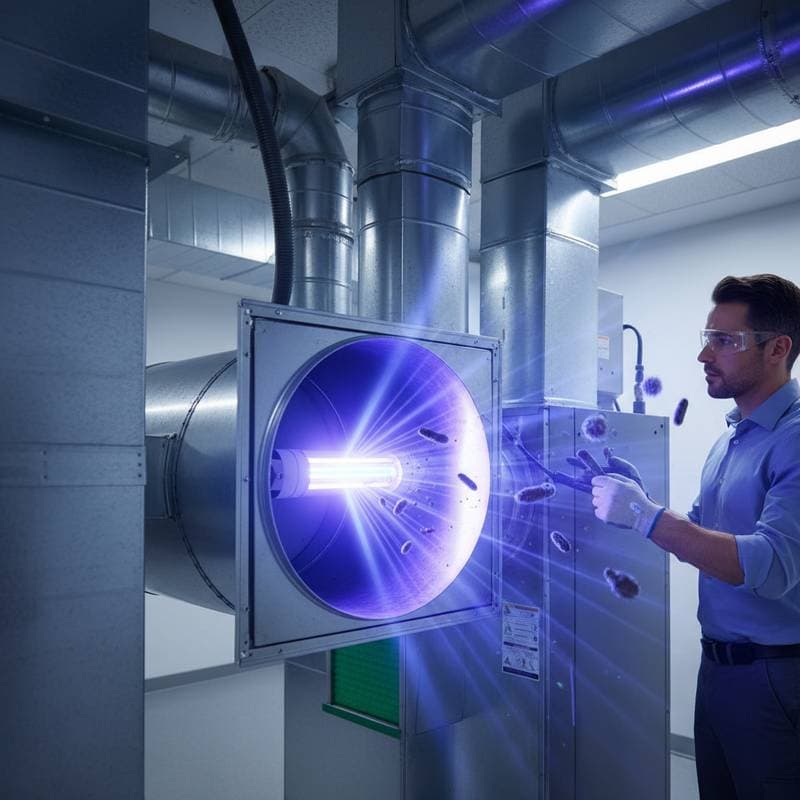
In HVAC applications, lamps position strategically near the evaporator coils or within the ductwork. As air passes over the illuminated surfaces, pathogens receive sufficient exposure to achieve disinfection. Systems vary in design, with some featuring high-output bulbs for continuous operation and others using targeted coils for enhanced efficiency.
Safety remains paramount with UV-C exposure. Direct contact harms skin and eyes, causing burns or irritation. Technicians and homeowners must power down the system fully before any access, and protective gear protects against accidental exposure during handling.
Required Tools and Materials
Proper preparation ensures safe and effective work on UV-C installations. Gather these items before starting:
- Flathead or Phillips screwdriver for panel access
- Non-contact voltage tester to confirm power disconnection
- Safety gloves and UV-blocking eyewear for protection
- Compatible replacement UV-C bulb, selected by wattage, length, and system specifications
- Soft microfiber cloth for dust removal
- HVAC-approved coil cleaner to maintain surrounding components
Selecting high-quality, OEM-recommended parts prevents compatibility issues and extends system longevity.
Installation and Replacement Guide
Follow these steps methodically to install or replace a UV-C lamp. This process assumes basic familiarity with HVAC components; consult a manual for model-specific details.
-
Disconnect power sources. Switch off the HVAC unit at the circuit breaker. Use the voltage tester to verify no current flows through accessible wires.
-
Identify the UV-C location. Units typically mount adjacent to the evaporator coil in the indoor unit or inline within the return air duct. Refer to the equipment diagram if the position remains unclear.
-
Examine the existing bulb. Check for signs of degradation, such as blackened ends, flickering during operation, or reduced intensity. These indicate the need for replacement, often after 9,000 to 12,000 hours of use.
-
Remove accumulated debris. Gently clean the lamp housing and nearby coils with the microfiber cloth. Apply coil cleaner sparingly if buildup persists, ensuring it dries completely before reassembly.
-
Install the new bulb. Grip the old bulb with gloved hands and twist or slide it out. Handle the replacement similarly to prevent fingerprints, which reduce output over time. Align and secure it firmly in the socket.
-
Reassemble components. Fasten all covers, brackets, and panels securely. Inspect wiring for integrity, avoiding loose connections that could lead to failures.
-
Reactivate the system. Restore power and observe the unit's startup. Monitor for any indicator lights signaling UV-C activation.
-
Evaluate performance. Run the system for 24 hours, then assess air freshness and visible dust levels at vents. Professional air quality tests provide quantitative confirmation if desired.
-
Document the service. Log the replacement date, bulb type, and hours accumulated. This record aids in scheduling future maintenance and warranty claims.
Best Practices and Precautions
Adhering to guidelines maximizes UV-C effectiveness while minimizing risks.
Recommended Actions
- Select UV-C systems certified for HVAC use, ensuring compatibility with airflow rates and coil materials.
- Maintain clean filters and coils regularly, as obstructions block light penetration.
- Follow manufacturer timelines for bulb replacement, typically every 12 to 18 months.
- Don protective equipment consistently during any hands-on tasks.
Actions to Avoid
- Position lamps in ducts lined with plastic or flexible materials, as UV-C accelerates deterioration.
- View the operating bulb directly, risking immediate eye strain or long-term damage.
- Depend solely on UV-C for purification; integrate it with HEPA filters and periodic duct inspections.
- Place components near sensitive materials like wiring insulation or rubber seals, which degrade under exposure.
These practices ensure the system operates safely and efficiently over time.
Professional Assistance Indicators
DIY efforts suit straightforward setups, but certain conditions warrant expert intervention. Engage an HVAC professional for systems with inaccessible ducts, extensive mold proliferation, or signs of electrical wear. Specialists assess optimal lamp sizing, secure wiring integrations, and confirm unobstructed airflow.
Warranty considerations apply as well. Tampering with covered components may invalidate protection, so review terms prior to modifications. Certified technicians provide peace of mind and often include performance guarantees.
Investment and Effort Overview
Initial costs for a UV-C HVAC system range from several hundred to over a thousand dollars, influenced by bulb power, coverage area, and labor if professionally installed. Annual bulb replacements add minimal expense, around 50 to 150 dollars each.
Homeowners typically complete installations or swaps in one to two hours, factoring in preparation, execution, and verification. Complex retrofits may extend to half a day, particularly in older homes with custom ductwork.
Ongoing Maintenance Strategies
Sustained performance requires routine attention. Schedule bulb replacements based on usage, aiming for annual checks even if indicators show no issues.
Perform housing and coil cleanings biannually to prevent dust interference. Monthly visual inspections of status lights detect early failures. Persistent musty smells or diminished airflow signal deeper inspections, potentially revealing coil fouling or duct contamination.
Integrate UV-C care into broader HVAC schedules, such as seasonal filter changes, for comprehensive air management.
Achieving Cleaner Indoor Environments
Incorporating UV-C lights equips HVAC systems to combat pathogens proactively. Consistent application yields noticeable improvements in air purity, reduced allergen exposure, and enhanced respiratory health. Homeowners gain control over indoor environments, fostering safer, more comfortable living spaces through informed maintenance.