
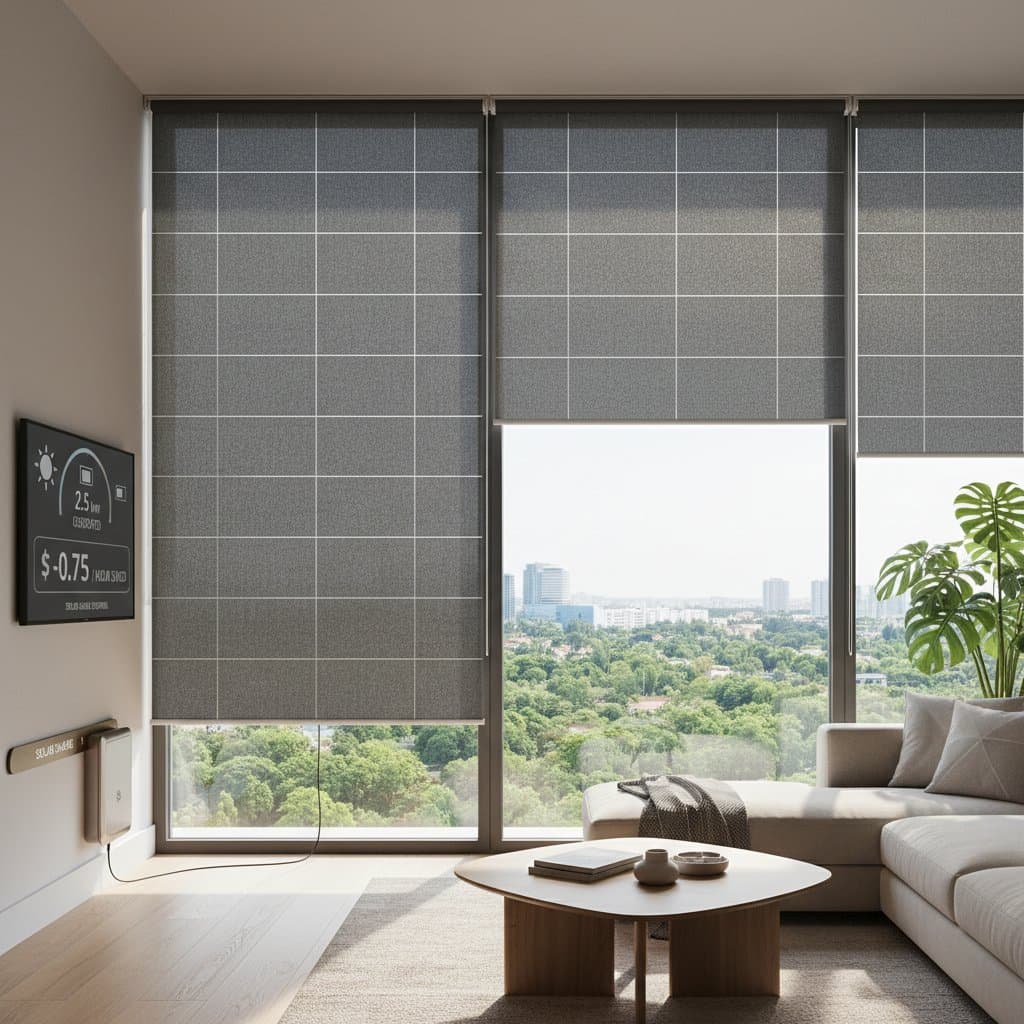
Power-Generating Solar Shades for Efficient Homes
Solar shades equipped with photovoltaic cells offer a dual benefit: they block excessive sunlight to maintain comfort while converting light into electricity. These shades reduce heat gain and lower energy bills by generating power for household use. Homeowners can integrate this technology to enhance sustainability without sacrificing aesthetics.
Standard window coverings often reflect sunlight away, missing an opportunity to capture its energy. This guide explains the mechanics of solar shades, their costs, and installation procedures. Consider sunlight exposure carefully, as optimal placement determines return on investment.
Essential Information on Solar Shades
These shades incorporate thin photovoltaic films integrated into the fabric, which transform sunlight into direct current electricity. Low-voltage wires connect the shades to an inverter for alternating current or to batteries for storage. South-facing and west-facing windows yield the highest energy production due to intense sunlight.
Prior to installation, verify compliance with local electrical codes for wiring and connections. Protect components from moisture to prevent damage and ensure longevity.
Required Tools and Materials
- Measuring tape for accurate dimensions
- Step ladder for safe access
- Drill and screwdriver set for mounting
- Wire channel covers or clips for organization
- Electrical tester for safety checks
- Mild cleaning cloth and non-abrasive cleaner safe for glass
- Optional: Manufacturer-provided small battery pack or inverter
Installation Guide
1. Measure Windows Precisely
Determine the width and height within the window frame. For surface mounting, add one inch to each measurement. Observe sunlight intensity throughout the day to identify windows with sufficient exposure for energy generation.
2. Select Fabric and Photovoltaic Type
Opt for semi-transparent fabric to allow diffused light entry, or choose opaque options for enhanced privacy. Photovoltaic cells vary: thin-film types suit flexible applications on large or irregular windows; crystalline cells deliver superior efficiency in compact areas; hybrid models combine benefits for versatility.
3. Evaluate Energy Production
Review specifications for output, typically 5 to 20 watts per square foot. Calculate total potential by multiplying wattage by window surface area. Assess against low-power demands, such as device charging or low-wattage lighting.
4. Design Wiring Pathways
Identify exit points for cables from the shade, often along the frame to a wall box or surface conduit. Secure wires with clips or channels to avoid damage from movement or pressure.
5. Install Mounting Brackets
Use the provided template to mark positions. Drill pilot holes, insert anchors where necessary, and secure brackets with screws. Ensure brackets remain level to support even shade operation.
6. Attach Electrical Connections
Connect positive and negative leads according to the manufacturer's instructions to the inverter or battery. Test for proper current with an electrical tester. Consult a licensed electrician if any uncertainty arises.
7. Verify Functionality
Operate the shade by extending and retracting it to confirm smooth action. Ensure controls do not interfere with wiring. Monitor the inverter for consistent voltage or charging indicators.
8. Optimize Light and Energy Balance
Position shades partially during intense sunlight to maximize generation while minimizing glare. Full extension prioritizes shade over power, so experiment to find the ideal configuration for comfort and output.
9. Perform Initial Cleaning and Check
Gently wipe the fabric surface. Remove any debris from cells to maintain efficiency. Examine all wiring for secure attachment.
Best Practices and Precautions
Recommended Actions
- Install on windows receiving at least four hours of direct sunlight daily.
- Employ only manufacturer-recommended connectors and wiring.
- Label electrical circuits when linking multiple shades.
- Clean with a dry cloth or one lightly dampened.
Actions to Avoid
- Drill near existing electrical lines or structural elements without prior inspection.
- Crease or fold the photovoltaic fabric during handling.
- Allow wiring exposure to moisture or precipitation.
- Connect excessive shades to a single inverter, risking overload.
Professional Assistance Indicators
Engage a licensed electrician for installations requiring wall penetrations or integration with home batteries or grid systems. Seek expert help for windows above two stories or if post-installation issues like flickering occur. Immediate professional review is essential for any damaged cables or water proximity to electronics.
Investment and Timeline Overview
Non-motorized models range from 250 to 600 dollars per window, while motorized or advanced efficiency versions cost 800 to 1200 dollars. Each installation requires one to three hours, depending on window dimensions and electrical modifications. Existing infrastructure for powered window treatments reduces both time and expense.
Ongoing Care Procedures
- Clean fabric and cells monthly using a soft, dry cloth.
- Examine wiring semiannually for wear or detachment.
- Monitor inverter or battery status every three months.
- Replace faulty wiring without delay.
- Conduct thorough cleaning if output declines.
Perspective from an Expert
Dr. Lena Ortiz, an energy systems engineer at SunEdge Consulting, said, "Solar shades work best when treated as part of a layered energy strategy. Combine them with efficient lighting and insulation for steady savings." She notes that even small window systems can offset charging needs for personal devices or smart home hubs, especially in bright climates.
Strategies for Optimal Performance
Begin with installation on one or two sunniest windows to evaluate results. Use monitoring tools or applications to track energy production. If performance meets expectations, extend to additional areas. Integrate with automated systems like smart plugs to enhance generated power utilization.
Daily Integration of Solar Shades
Installed solar shades function seamlessly as everyday window treatments, providing glare control and privacy alongside subtle energy contributions. They support a more efficient living environment with minimal disruption.