
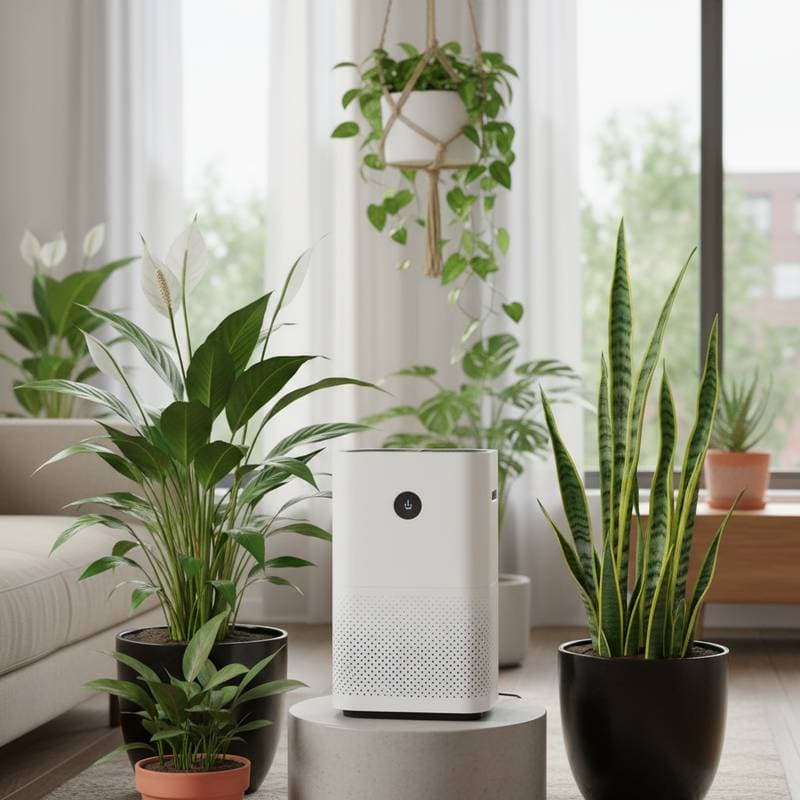
Plants offer a natural complement to mechanical air purifiers, absorbing volatile organic compounds (VOCs) and other pollutants that filters may miss. Research from organizations like NASA highlights certain houseplants as effective allies in improving indoor air quality. By selecting the right species, positioning them thoughtfully, and maintaining them properly, individuals can create a healthier living environment with minimal effort.
Not every plant performs equally well in this role. The most suitable options thrive indoors, demand little maintenance, and feature ample leaf surfaces for capturing airborne toxins. The following selection draws from established studies and includes practical guidance to help match plants to specific spaces and routines.
Top Plants for VOC Removal
1. Peace Lily (Spathiphyllum wallisii)
The Peace Lily stands out for its elegant combination of aesthetics and functionality. Glossy green leaves paired with occasional white spathes add visual appeal to any interior, while the plant efficiently targets benzene, formaldehyde, and trichloroethylene.
Large leaf surfaces facilitate the uptake of VOCs, and beneficial microbes in the soil aid in their decomposition.
Position this plant near areas with recent renovations, such as freshly painted walls or varnished furniture, to maximize its impact.
Peace Lilies flourish in indirect light with soil that remains evenly moist but not waterlogged. Allow the top inch of soil to dry between waterings to avoid root rot. One medium specimen can enhance air quality in a space of 100 to 120 square feet (9 to 11 square meters).
2. Snake Plant (Sansevieria trifasciata)
Known for its upright, sword-like leaves, the Snake Plant provides both style and substance in air purification efforts. It excels at removing formaldehyde and benzene, common in household products like cleaning agents and adhesives.
The plant's stiff foliage offers extensive surface area for gas absorption, and it releases oxygen at night, supporting better sleep environments.
Place it in low-light corners or bedrooms, away from direct sunlight, to leverage its resilience.
Water sparingly, only when the soil is completely dry, typically every two to three weeks. This drought-tolerant species requires repotting every two years and tolerates a wide range of temperatures.
3. Spider Plant (Chlorophytum comosum)
The Spider Plant's arching leaves and plantlets create a lively display, making it a favorite for shelves and hanging baskets. It effectively filters carbon monoxide and xylene, pollutants often present in homes near traffic or with gas appliances.
Long, slender leaves maximize exposure to airborne contaminants for efficient removal.
Suspend it near windows with bright, indirect light to promote healthy growth and optimal purification.
Water once a week or when the soil surface feels dry. Remove any brown tips, which may result from water impurities, and repot annually to maintain vigor.
4. Pothos (Epipremnum aureum)
With its trailing vines and heart-shaped leaves, Pothos adds a cascading element to tabletops or high shelves. This adaptable plant removes formaldehyde, benzene, and xylene, thriving in various indoor conditions.
Its vining structure increases contact with air currents, enhancing toxin filtration.
Position it in low to medium light areas, such as offices or living rooms, where it can trail without obstruction.
Keep soil moist but not soggy, watering when the top half-inch dries out. Propagate easily by cuttings in water, and trim to control length as needed.
5. Rubber Plant (Ficus elastica)
The Rubber Plant's bold, leathery leaves and tree-like form make a striking statement in larger rooms. It targets formaldehyde and boosts oxygen production, performing well in typical home settings.
Thick, waxy surfaces trap and process airborne pollutants effectively.
Locate it beside the main air purifier in living areas to benefit from circulated air.
Clean leaves periodically with a damp cloth to remove dust that hinders function. Water after the top soil layer dries, ensuring good drainage to prevent issues.
6. Boston Fern (Nephrolepis exaltata)
The Boston Fern's feathery fronds bring a lush, tropical vibe while excelling at humidity regulation and formaldehyde removal. It also filters xylene and toluene from the air.
Dense foliage creates a high surface area for capturing particles and gases.
Hang or place it in bathrooms or kitchens with higher moisture levels and indirect light.
Maintain consistent moisture by misting daily and watering to keep soil damp. Avoid direct sun, which can scorch the leaves, and fertilize lightly during growth periods.
7. English Ivy (Hedera helix)
English Ivy's climbing or trailing habit suits bookshelves, mantels, or window frames. It specializes in reducing mold spores and fecal matter particles, ideal for humid zones like bathrooms.
The root and soil system processes organic airborne debris.
Use hanging planters to promote airflow around the foliage.
Provide medium light and water when the soil surface dries slightly. Prune regularly to shape and avoid overgrowth.
Integrating Plants with Air Purifiers
Treat plants and purifiers as complementary systems: the device captures particulates, while plants handle gaseous pollutants. This partnership yields superior results.
Position plants close to but not obstructing purifier vents, allowing airflow to direct contaminants toward leaves and roots.
Incorporate variety in heights, such as tall floor plants like Rubber Plants alongside suspended Spider Plants, to cover the room comprehensively.
Group three to five plants in one area to elevate local humidity and enhance air movement.
Shift plants periodically for uniform light and purification distribution.
Organizing Plant Care Essentials
Efficient storage simplifies upkeep. Dedicate a lidded container under furniture for items like fertilizers, gloves, and shears. Arrange watering tools in a tray by the sink for convenience, labeling with tape for quick identification.
For households with pets or children, opt for wall-mounted storage to secure fertilizers and soil safely out of reach.
Perspectives from Design Experts
Interior designer Carla Nguyen notes, "Plants do so much more than clean the air. They soften hard edges, balance visual weight, and make even minimalist spaces feel alive." She suggests selecting plants to harmonize with room colors: the deep greens of a Rubber Plant anchor vibrant areas, while a Spider Plant's patterns complement fabrics.
In a compact apartment setup, a Snake Plant positioned by the purifier noticeably improves air post-renovation. The blend of technology and nature fosters a serene, refreshed atmosphere.
Implementing Plant-Purifier Strategies
Begin with one or two resilient plants and monitor changes in air quality or humidity levels. If the purifier features sensors, observe reduced operation times. Gradually expand to optimize efficiency and enjoy sustained benefits.