
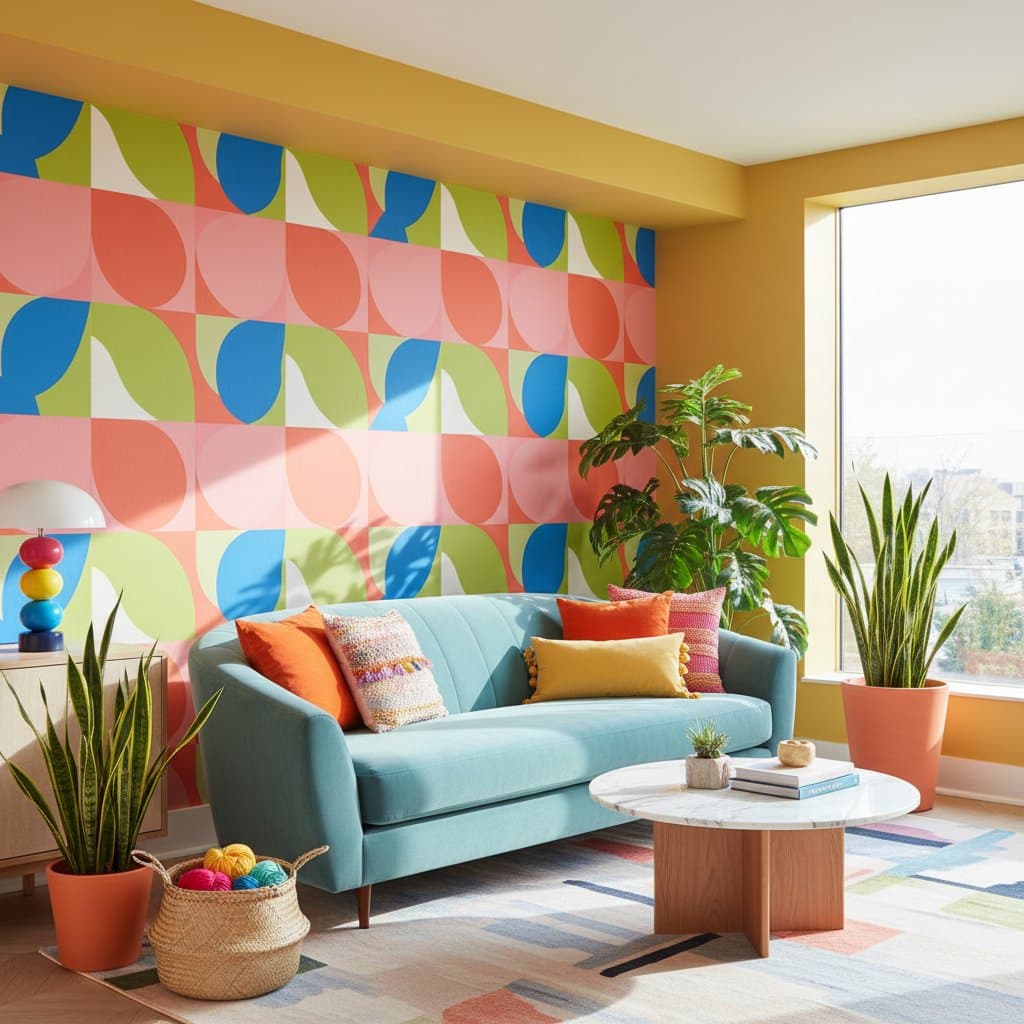
Introduction to Dopamine Colors
Dopamine colors draw from the brain's response to vibrant stimuli, offering a pathway to joy in everyday environments. Experts in color psychology highlight how these saturated shades, such as sunny yellows and lush greens, trigger positive emotions and enhance well-being. In 2026, this trend moves beyond fleeting fads to create sustainable, personalized spaces that foster creativity and calm.
Homeowners increasingly seek designs that reflect emotional needs rather than mere aesthetics. Dopamine decorating emphasizes intentional use of color to combat monotony and inspire vitality. By integrating these elements thoughtfully, any room transforms into a source of daily uplift.
1. Identify Core Dopamine Hues
Begin by recognizing hallmark dopamine colors: optimistic oranges, invigorating blues, and playful pinks. These shades evoke energy without overwhelming the senses. Research from color specialists indicates that warm tones like terracotta stimulate appetite and conversation, while cooler ones such as teal promote focus and relaxation.
Compile a mood board with images from nature or art that resonate personally. This step ensures selections align with individual preferences, avoiding generic trends. Test swatches against skin tones or existing decor to confirm harmony.
2. Build a Personalized Palette
Select three to five colors that complement each other, starting with a dominant hue and supporting accents. For instance, pair a bold magenta with soft grays for contrast. Tools like color wheels help identify analogous or complementary schemes that maintain cohesion.
Consider seasonal influences; warmer palettes suit cozy winters, while lighter versions refresh summer vibes. Involve family members in the process to create shared spaces that uplift everyone. Document choices in a digital folder for easy reference during implementation.
3. Manage Saturation Levels
High saturation delivers instant impact but requires careful dosing to prevent fatigue. Dilute bold colors with whites or pastels for subtlety in larger areas. Professionals recommend starting at 60 percent neutral backgrounds to 40 percent accents, adjusting based on room size.
Experiment with gradients, blending full saturation on focal points like accent walls with muted versions elsewhere. This technique maintains vibrancy while ensuring longevity in visual appeal. Monitor emotional responses during trials to fine-tune intensity.
4. Start with Small-Scale Changes
Introduce dopamine elements gradually through removable items like rugs or wall hangings. A single vibrant vase or curtain panel tests the overall effect without commitment. This approach builds confidence and allows refinement before broader applications.
Observe interactions over a week; note if the color energizes or distracts. Such incremental steps minimize regret and costs, providing valuable insights into personal tolerances. Success here paves the way for more ambitious transformations.
5. Assess Room-Specific Needs
Evaluate lighting, size, and function before applying colors. North-facing rooms benefit from warm hues to counteract cool tones, while south-facing spaces handle cooler shades well. Compact areas amplify boldness, so reserve intense colors for details rather than walls.
Factor in usage patterns; high-traffic zones need durable finishes, whereas serene retreats favor softer applications. Sketch layouts to visualize placements, ensuring colors enhance rather than compete with architecture. This preparation sets a strong foundation for execution.
6. Incorporate Color Through Textures
When full painting seems daunting, introduce dopamine shades via layered textiles and objects. Consider velvet pillows in radiant yellow or ceramic fixtures in verdant green. These materials diffuse intensity, creating a tactile depth that enriches the environment.
Textures like linen or woven baskets add dimension, preventing flatness in colorful schemes. Select items with subtle patterns to echo hues without overwhelming patterns. This method offers flexibility for seasonal refreshes.
7. Evaluate Colors in Ambient Lighting
Apply a sample patch, approximately two feet square, to walls and monitor changes across times of day. Morning sunlight may warm a cool blue, while evening lamps alter its depth. Such observations reveal true tones under varied conditions.
Account for both natural and artificial sources; dimmer bulbs can mute vibrancy, necessitating brighter selections. Take photographs at different hours for comparison. This diligence avoids surprises post-application.
8. Integrate Natural Anchors
Balance vivid palettes with organic materials like wood paneling, rattan furniture, or stone accents. These elements provide visual pauses, reducing eye strain in saturated settings. Natural textures ground the energy, fostering a sense of harmony.
Position anchors strategically, such as wooden frames around colorful art or stone bases for lamps. This combination evokes biophilic design principles, enhancing overall tranquility. Select finishes that complement rather than clash with chosen hues.
9. Refine and Edit Intentionally
Pause midway to assess and eliminate excess items. Dopamine design thrives on purposeful curation, prioritizing joy over accumulation. Removing one piece often clarifies the space's emotional impact.
Aim for a rhythm where colors punctuate rather than dominate. Revisit initial mood goals to ensure alignment. This editing phase solidifies the design's effectiveness.
Essential Guidelines
Recommended Practices
- Pair vivid hues with neutral bases to achieve equilibrium.
- Echo a single accent color throughout adjacent areas for seamless transitions.
- Experiment with artwork or fabric swatches prior to permanent changes.
- Trust personal reactions; select shades that evoke genuine positivity.
Practices to Avoid
- Refrain from exact matching across all elements; subtle differences infuse vitality.
- Do not overlook illumination effects, which may alter perceived brightness.
- Avoid glossy finishes on expansive surfaces, as they amplify reflections.
- Complete thorough surface preparation, since bold colors highlight imperfections.
Engaging Professional Assistance
Seek expert help for complex tasks like refinishing cabinetry, ceiling details, or ornate moldings. These require uniform application and protective sealants for durability. A color consultant proves invaluable for harmonizing multiple dopamine tones.
Address potential hazards such as lead-based paints or dampness through licensed specialists. They ensure safety compliance and optimal surface treatments. Professionals streamline projects, delivering polished results efficiently.
Budget and Timeline Overview
DIY projects typically range from 50 to 200 dollars per room, influenced by dimensions and material quality. Hiring assistance elevates costs to 300 to 1,000 dollars, covering labor and expertise. Minor updates, including cushions or lighting, cost 20 to 150 dollars overall.
Timelines depend on project scale; accentuating one wall demands three to five hours. Comprehensive overhauls span a weekend, incorporating drying periods, masking, and cleanup. Key factors include paint type, coat quantity, and external support.
Ongoing Care Strategies
Clean surfaces weekly to maintain brightness, as vivid colors accentuate particles. Address minor damages promptly with reserved paint for seamless repairs. Shift textiles periodically in sun-exposed areas to avert color degradation.
Plan repaints every five to seven years, aligning with evolving preferences or wear. Use gentle cleaners suited to finishes, preserving vibrancy. Regular upkeep sustains the mood-boosting benefits long-term.
The Science Behind Dopamine Colors
Color psychologist Dr. Lila Martinez of The Color Mind Lab notes that these tones engage the brain's reward pathways via sensory input. Warm, intense shades convey vitality and security, prompting elevated moods, she states. Specific light wavelengths link directly to affective responses, enabling colors to modulate emotions effectively.
This approach contrasts with restrained schemes by encouraging expressive personalization. Homes become extensions of desired feelings, driving the trend's prominence in future interiors. The result fosters deeper connections to living spaces.
Tailoring Dopamine Colors by Room
Living Areas
Select a primary color, like vivid azure or peach, anchored by sands or timber. Incorporate coordinating throws and wall pieces to reinforce the theme. Maintain clean furniture silhouettes to spotlight the palette.
Culinary Spaces
Apply accents to seating, tableware, or central features. A citrus yellow or deep green on base units revitalizes without excess. Limit aggressive reds to avoid overstimulation during extended use.
Sleeping Quarters
Favor gentler variants such as pale violet, muted pink, or soft aqua for restorative effects. Pair with pristine linens to enhance serenity. These choices preserve uplift while supporting repose.
Bathing Areas
Boldness suits confined zones; opt for lively drapery or rich linens. For walls, choose water-repellent formulas with sealed borders. This setup amplifies cheer in functional settings.
Workspaces
Energizing options like cerulean or herbal green positioned behind desks aid concentration. They inspire innovation minus disruption. Integrate with task lighting for optimal impact.
Advanced Techniques for Optimal Results
Build layers deliberately, introducing accents only after establishing neutrality. Establish patterns by recurring hues at varying elevations, from floor to ceiling. Scale saturation proportionally; lighter overheads expand perceived volume.
Leverage natural light abundance for bolder applications in well-lit rooms. Embrace adaptability, as mood shifts may warrant adjustments over time. These strategies ensure enduring satisfaction.
Embracing the Daily Impact
With dopamine colors implemented, track shifts in routines and sentiments. Mornings may gain vibrancy, or spaces encourage prolonged presence. This observation reinforces the design's role in enhancing life quality, inviting ongoing personalization for sustained joy.