
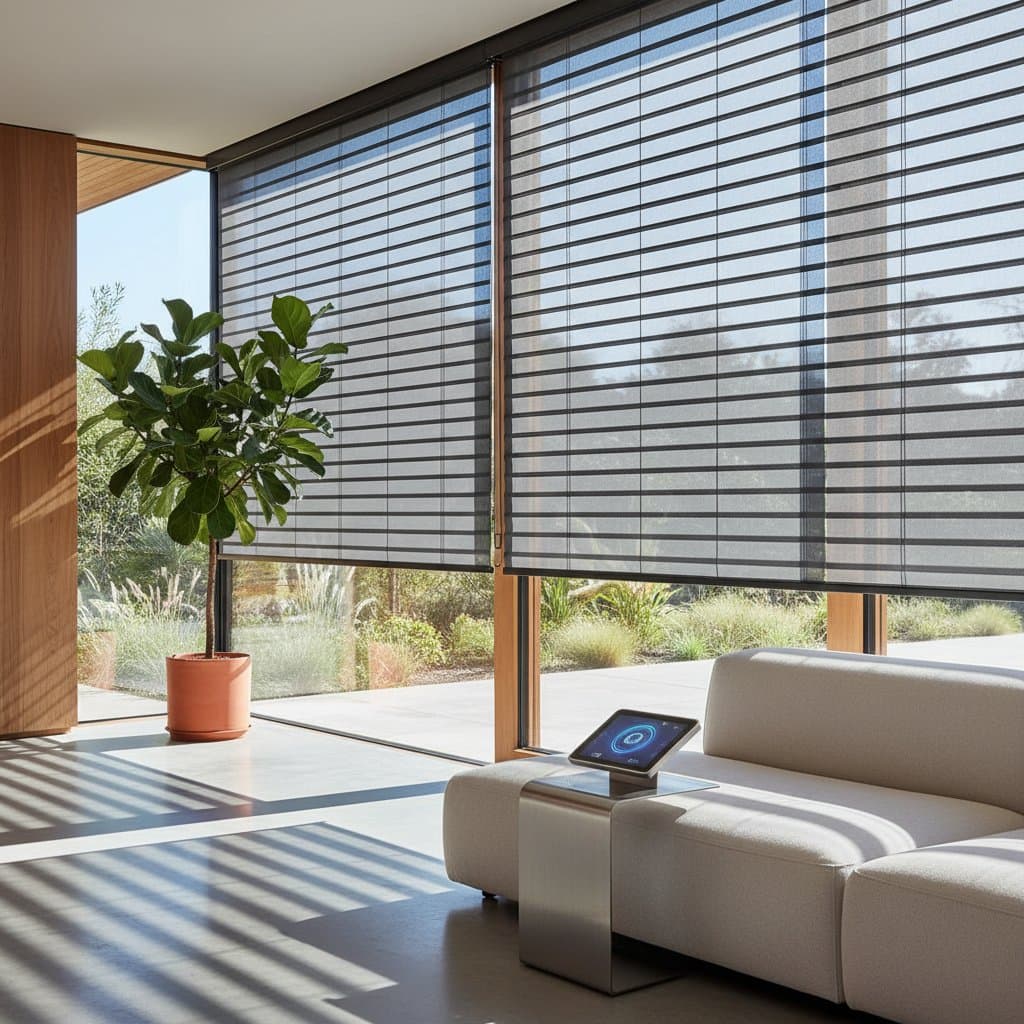
Self-Powering Solar Smart Blinds: Effortless Energy Independence
Window treatments that generate their own power from sunlight offer a practical blend of convenience and sustainability. Solar smart blinds integrate photovoltaic panels with automated controls to adjust light and privacy without relying on external chargers. This approach benefits homeowners, renters, and design enthusiasts by simplifying routines and reducing energy demands.
Key Advantages of Solar Smart Blinds
Managing light and privacy often involves manual adjustments that disrupt daily tasks. Traditional smart blinds require frequent recharging, which complicates installation and maintenance. Solar smart blinds address these issues by embedding efficient solar panels into the headrail, where they capture daylight to charge internal batteries continuously.
This design minimizes grid electricity use and supports environmental goals. Homeowners notice lower utility bills and easier upkeep, as the system operates indefinitely with minimal intervention. The technology promotes a shift toward self-sufficient home features that enhance comfort without added complexity.
Quick Overview
- Primary users: Homeowners, renters, and interior design enthusiasts
- Ideal locations: Bedrooms, living rooms, home offices, and kitchens
- Energy mechanism: Built-in solar panels paired with rechargeable micro-batteries
- Operation methods: Remote controls, mobile apps for scheduling, or voice assistants
- Price spectrum: Moderate to premium, varying by brand, size, and features
- Core objective: Window coverings that merge aesthetics, functionality, and energy efficiency
Overcoming Traditional Limitations
Conventional smart blinds depend on wall adapters or detachable batteries, often leading to cluttered spaces and inconvenient access. In homes with high windows, recharging demands ladders or stools, while renters face restrictions on wiring modifications. A typical user might express frustration: “The automation appealed to me, but the upkeep turned it into a hassle.”
These constraints force compromises between smart features and practical design. Cords mar visual appeal, and battery life limits reliability. Solar alternatives eliminate such drawbacks by relying solely on ambient light for power.
Enhanced Functionality in Practice
Installation positions solar smart blinds to gather sunlight effectively, even under overcast skies. Brands like Somfy, Lutron, and IKEA incorporate slim solar strips that integrate discreetly into the frame, preserving a streamlined appearance. Low-light sensors ensure consistent charging by adapting to varying conditions.
Users program blinds to rise at dawn, shield against midday sun, and lower for evening privacy via apps or voice commands. Manual overrides provide flexibility for those who favor hands-on control. The result is a charger-free system that operates reliably across diverse settings.
Optimizing Light and Comfort
Automated responses to sunlight maintain balanced indoor environments. In a standard 16-by-20-foot living room, deploying blinds during intense solar exposure can reduce room temperature by 3 to 5 degrees Fahrenheit. This adjustment eases the load on HVAC systems and improves overall comfort without manual effort.
Selecting Styles and Materials
Options extend to woven natural fibers, neutral fabrics, and metallic finishes for versatile integration. Sustainable choices include recycled polyester or bamboo, aligning with eco-friendly preferences. Available shades span from bright whites to muted grays, with solar components designed to match surrounding elements invisibly.
Technical Specifications
- Material options: Matte aluminum, bamboo weaves, or polyester fabrics
- Compatibility: Integrates with Google Home, Amazon Alexa, and Apple HomeKit
- Connectivity distance: Up to 30 feet via wireless signals
- Power duration: Lithium batteries sustain operation for months in low-light scenarios
- Mounting advice: Position 2 inches above the window sill to maximize solar intake
- Affordable upgrade: Solar clip-on kits for retrofitting motorized blinds
- Upkeep routine: Dust periodically and inspect batteries biennially
These elements ensure adaptability for various home types, from spacious residences to compact urban units.
Practical Installations
Compact Living Areas
In studios or small apartments, solar blinds avoid cord clutter and support lease-compliant setups. Automation frees time for other priorities, and the minimalist look amplifies perceived space. One city dweller shared: “No drilling or wiring was required, yet I gained full smart functionality.”
Larger Family Residences
Automation safeguards furnishings from UV damage and moderates temperatures during peak heat. In multi-window homes, the systems cut collective energy consumption and streamline maintenance. Temperature-triggered closures maintain consistent indoor climates, stabilizing expenses.
Professional Workspaces
Remote professionals benefit from glare-free lighting that supports screen visibility. Quiet motors prevent interruptions during calls, while daylight optimization boosts productivity. The blinds adapt throughout the workday to sustain ideal conditions.
Environmental and Economic Impacts
By blocking heat influx, solar smart blinds lessen air conditioning needs, yielding tangible reductions in power usage. The onboard solar setup avoids disposable batteries and grid dependency, fostering long-term savings. Annual benefits might include 5 to 10 percent drops in cooling costs for sun-exposed rooms.
For sustainability advocates, each installation turns windows into localized energy producers. Pairing with green materials amplifies the low-carbon footprint, encouraging broader adoption of efficient home technologies.
Implementation Steps
Measure window dimensions precisely, targeting widths from 24 to 72 inches for standard fits. Ensure adequate light exposure; shaded orientations may require models with backup charging ports. Begin with high-sunlight areas like living rooms or kitchens to evaluate performance.
Test automation schedules to align with personal habits, adjusting rise times or privacy settings as needed. Budget options include retrofit solar kits from retailers, which convert existing motorized units at reduced expense. Professional installation services handle complex mounts for optimal results.
Everyday Integration Benefits
Users quickly adapt to the seamless operation, where technology supports rather than intrudes. Homes gain a refined, orderly feel as manual tasks diminish. This evolution underscores how subtle innovations enhance quality of life without complicating it.
Solar smart blinds demonstrate that effective design prioritizes utility alongside form. They enable windows to contribute actively to comfort and efficiency, inviting sustainable choices that enrich daily experiences.