
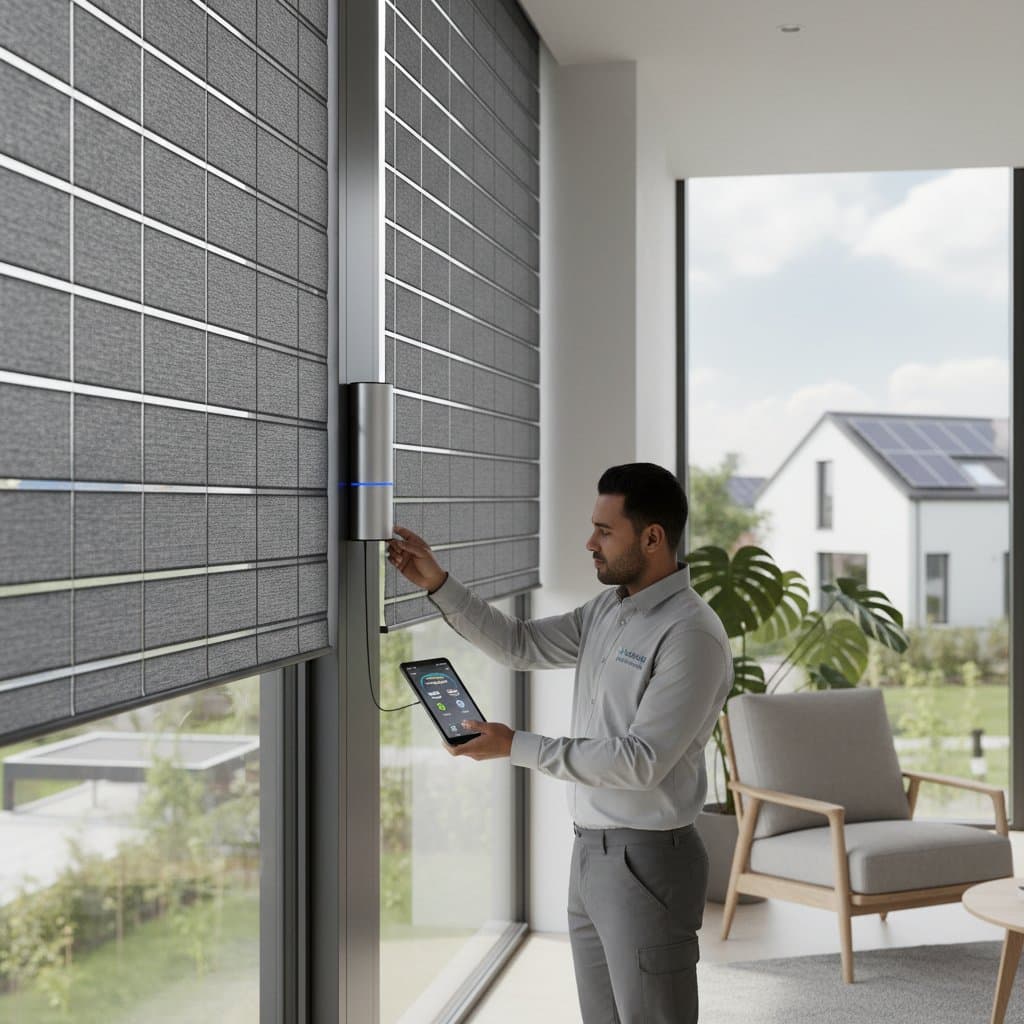
Solar-Powered Blinds: Slash Energy Bills Without Wiring
Smart homes extend beyond high-end installations and gadget lovers. Solar-powered blinds drive an accessible shift toward energy efficiency, ease, and aesthetics. These shades harness sunlight to function independently while naturally moderating room temperatures. Homeowners experience reduced energy consumption, lower utility bills, and greater environmental harmony.
The Importance of Solar-Powered Blinds
Rising utility expenses challenge every homeowner and renter. Heating and cooling account for nearly half of typical household energy use. Solar-powered blinds address this issue head-on. Integrated photovoltaic panels, often positioned along the top rail, capture sunlight to energize the blind's motor. Installation requires no electrical wiring, additional outlets, or battery replacements. The blinds operate silently to control light and temperature from dawn to dusk.
These innovations extend beyond mechanics to promote sustainable living. Significant changes do not demand extensive overhauls or expansive solar arrays. One window covering reduces solar heat gain, enhances indoor comfort, and delivers ongoing savings on monthly bills.
Mechanics of Solar-Powered Blinds
Solar-powered blinds resemble standard shades in appearance, yet incorporate a compact power source. The solar cell recharges a built-in battery that drives the motor. Users operate them via remote control, wall-mounted switch, or dedicated mobile application. Numerous models integrate with smart home ecosystems, enabling automated adjustments based on sunlight intensity or room temperature.
During peak summer heat, closing the blinds deflects intense rays to prevent overheating. In winter, opening them allows passive solar warming and daylight entry. This automation eases the load on heating, ventilation, and air conditioning systems. The shades provide supplementary insulation, stabilizing indoor climates across varying conditions.
Balancing Design and Performance
Solar-powered blinds offer diverse styles to suit any space. Choices range from sleek roller shades to pleated Roman designs and insulating cellular varieties. Cellular honeycomb configurations, for instance, create air-trapping cells that enhance thermal resistance.
Fabric and color selections influence light diffusion and energy retention. Sheer options in neutral tones, such as light gray or cream polyester, distribute illumination evenly while minimizing glare. Opaque blackout materials suit sleep areas or entertainment spaces, ensuring total light blockage and privacy. Leading manufacturers like Somfy and SolarGaps provide discreet casings in matte finishes that conceal solar components and complement contemporary decor.
Straightforward Installation Options
The appeal of solar-powered blinds lies in their user-friendly setup. Most units install within 60 minutes using common tools like a screwdriver and level. Self-sufficient power eliminates the need for electrical modifications, making them ideal for rental properties. Adhesive mounting brackets allow damage-free application on leased spaces.
Costs depend on dimensions and capabilities. Basic setups for standard windows start at $150, while larger automated systems with app integration may cost up to $600 per unit. Though pricier than traditional manual options, the return through energy reductions and operational simplicity offsets the investment within one to two years.
Seamless Smart Home Integration
Connecting solar-powered blinds to existing automation platforms proves simple. Bluetooth and Wi-Fi protocols enable management via voice commands or smartphone interfaces. Program schedules to lower shades during midday sun exposure or raise them at dawn for gentle morning light.
Advanced units feature embedded sensors for temperature and light detection. These adjust positions proactively to maintain ideal conditions without manual input. Manufacturer studies indicate potential cooling expense reductions of 25 to 35 percent, varying by window exposure and regional climate.
Durable Materials for Lasting Impact
Premium solar-powered blinds withstand daily rigors. Sturdy aluminum rails, fade-resistant textiles, and rust-resistant hardware endure exposure to sunlight and moisture. Eco-conscious brands incorporate post-consumer recycled content in fabrics and components, amplifying their green credentials.
For a more organic feel, select blinds with bamboo or linen weaves accented by concealed solar elements. These options add visual warmth without compromising efficiency. Compact versions with detachable panels fit tight spaces like studio apartments or outdoor enclosures.
Easy Upkeep and Extended Service Life
Maintaining solar-powered blinds requires minimal effort. Remove dust weekly using a microfiber cloth or upholstery brush on a vacuum. Keep the solar panel free of debris for optimal charging; clean it monthly with a mild soap solution and soft cloth.
Rechargeable batteries endure 5 to 7 years under normal use before needing replacement. Cordless designs enhance safety, eliminating hazards for households with children or animals. The streamlined appearance contributes to a tidy, modern environment.
Cost-Effective Entry Points
Full solar-powered blinds may exceed initial budgets for some. Retrofit kits with attachable solar motors upgrade conventional shades affordably. Apply heat-reflective films to glass surfaces for immediate solar control at under $50 per window. Combine these with pale draperies to amplify insulation effects.
Major outlets like IKEA and Home Depot stock beginner-friendly solar models starting at $80. Begin with a single high-impact window, monitor results over a billing cycle, and scale to additional areas as savings accumulate.
Integrating Solar Blinds into Daily Routines
Solar-powered blinds integrate effortlessly into everyday patterns. Automation handles adjustments, freeing users from routine tasks. Summers bring cooler interiors, winters retain more warmth, and year-round stability follows.
Natural light patterns enhance well-being, from energizing mornings to serene evenings. This choice extends beyond bill reductions to foster mindful, resource-efficient habits. Each automated movement supports comfort, planetary care, and economic prudence.