
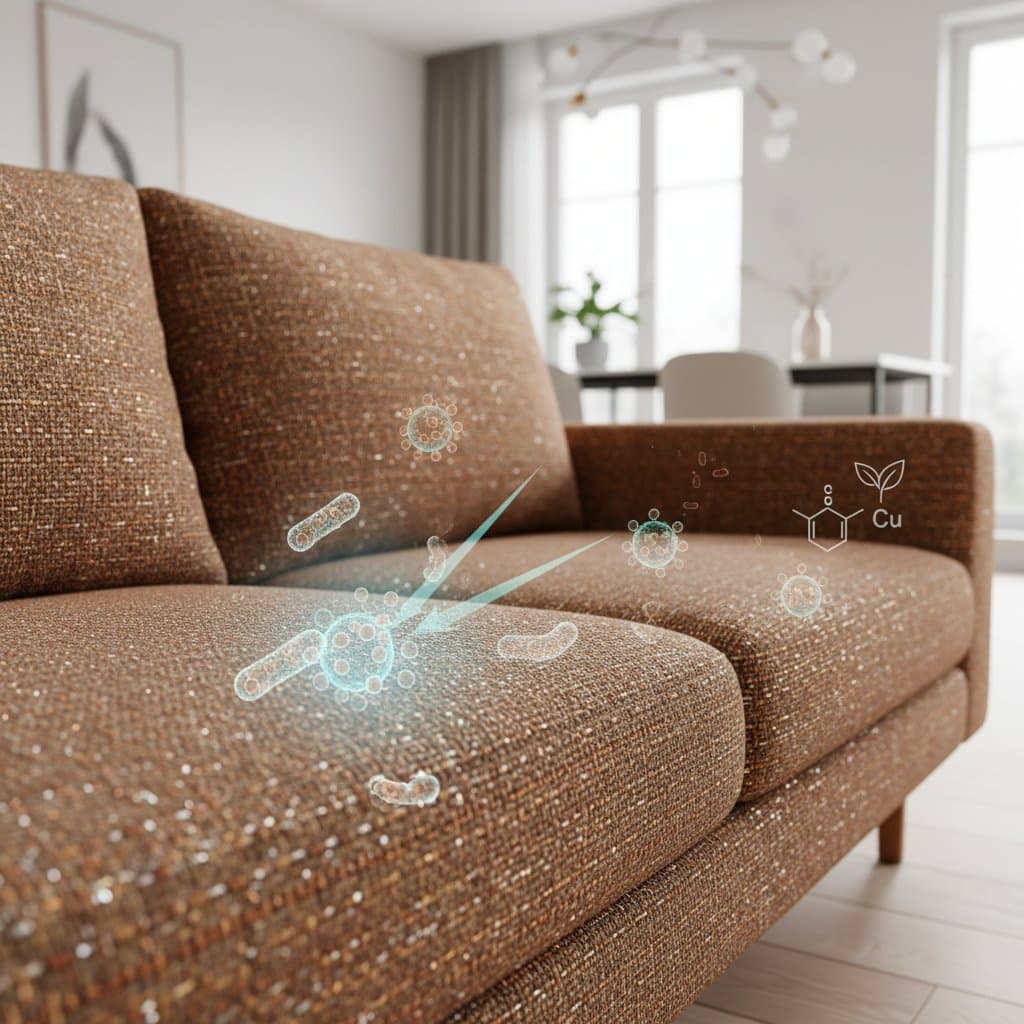
Why Copper Upholstery Combats Germs in Your Home
Copper-infused fabrics provide quiet protection against bacteria and odors on furniture surfaces. These materials add warmth and texture while enabling cleaner upholstery with reduced need for frequent disinfecting. Upholstered items attract germs readily, particularly on high-contact areas such as armrests and cushions.
This guide details how copper fabrics minimize microbial accumulation, safe usage practices, and scenarios where the investment proves worthwhile. Copper textiles limit surface germs effectively, yet they supplement rather than replace routine cleaning and personal hygiene measures.
Understanding Copper's Antimicrobial Properties
Copper possesses inherent antimicrobial qualities that inhibit the growth of bacteria and fungi responsible for odors and fabric degradation. When integrated into upholstery fibers, these properties activate through contact with air and moisture, provided the copper concentration suffices for efficacy. Verify compatibility with existing furniture finishes and cleaning routines before selection.
Essential Tools and Materials for Maintenance
Prepare the following items to care for copper-infused upholstery:
- Vacuum equipped with an upholstery attachment
- Mild detergent or cleaner formulated for fabrics
- Soft brush or microfiber cloth
- Distilled water
- Spray bottle for controlled application during cleaning
- Optional: Clear furniture wax for protecting adjacent wood trim
Boiled and cooled water serves as a suitable alternative to distilled water if necessary.
Step-by-Step Maintenance Guide
1. Confirm Copper Infusion in the Fabric
Examine product labels or manufacturer specifications for indicators such as "copper ion," "copper blend," or "antimicrobial copper fabric." Authentic copper textiles exhibit a subtle metallic sheen while maintaining a soft texture.
2. Perform a Colorfastness Test
Prior to cleaning or positioning near wood or leather, apply a light dampening with water to an inconspicuous area and blot with a white cloth. Evidence of color transfer necessitates reliance on dry cleaning techniques exclusively.
3. Conduct Weekly Vacuuming
Employ the upholstery attachment to remove dust, skin oils, and debris on a weekly basis. This practice preserves exposure of copper fibers to air, enhancing their antimicrobial function. Steer clear of aggressive beater brushes to prevent fabric fraying.
4. Address Stains with Spot Cleaning
Combine one teaspoon of mild detergent with one cup of distilled water, then apply sparingly to a soft cloth for dabbing the affected area. Blot thoroughly to dry without saturation. Excessive moisture diminishes copper's surface interaction and may impair its performance.
5. Neutralize Odors in Vulnerable Spots
For cushions prone to odor retention, apply a light sprinkling of baking soda, allow it to sit for fifteen minutes, and vacuum away. This method poses no risk to copper fibers. Refrain from vinegar applications, as they may trigger reactions leading to discoloration.
6. Avoid Exposure to Harsh Chemicals
Steer clear of bleach, ammonia, or acidic cleaners, which erode copper coatings and compromise fiber integrity. Opt for neutral pH solutions, particularly with blended fabrics incorporating polyester or cotton.
7. Promote Air Circulation
Ensure adequate airflow surrounding upholstered furniture. Stagnant humidity restricts copper's interaction with oxygen, a critical element of its antimicrobial mechanism. Utilize open windows or fans to maintain dry conditions.
8. Rotate Cushions for Even Wear
Periodic rotation distributes usage evenly, sustaining uniform copper exposure. Flip seat cushions monthly and adjust positions as feasible. Such routines prolong fabric durability and antimicrobial consistency.
9. Dry with Controlled Warmth
In cases of spills requiring thorough cleaning, permit air drying in indirect sunlight. Avoid direct heat sources like dryers or excessive room heaters. Elevated temperatures risk altering fiber composition and diminishing copper efficacy.
Recommended Practices and Precautions
Practices to Follow
- Vacuum weekly to sustain fiber activity
- Test all cleaning solutions on inconspicuous areas prior to broader application
- Maintain dry surfaces between uses
- Select copper fabrics from suppliers certified for antimicrobial performance
- Pair with removable, washable covers to simplify maintenance
Practices to Avoid
- Refrain from acidic or bleach-based cleaners
- Address spills promptly rather than allowing prolonged contact
- Prevent obstruction of ventilation around furniture
- Avoid ironing or steaming the fabric directly
- Recognize that copper fabrics complement, but do not supplant, standard hygiene protocols
Dr. Karen Holt, a textile chemist at CleanFiber Labs, notes, "Copper fabrics slow bacterial growth, but they still need mechanical cleaning to remove dirt and oils that can shield microbes."
Professional Assistance Indicators
Engage a professional upholstery cleaner experienced with copper textiles for extensive built-in seating or pieces integrated with heating or cooling elements. Seek expert intervention upon observing green or dark corrosion, indicative of reactions with cleaning agents or adjacent metals. Professionals neutralize surfaces effectively and avert fiber damage.
Investment and Effort Overview
Copper-infused upholstery commands a premium over conventional options, with pricing influenced by copper concentration, weave intricacy, and brand prestige. Maintenance expenses align with those for standard upholstery, barring needs for specialized restoration. Routine tasks such as vacuuming and spot cleaning require ten to twenty minutes per session, scaled to furniture dimensions.
Ongoing Care Schedule
- Vacuum weekly to expose copper fibers
- Spot clean monthly or as stains arise to eliminate oils
- Inspect quarterly for signs of fading or corrosion
- Apply protective sprays only if explicitly safe for copper integrations
- Reupholster or replace upon fraying of metallic threads or loss of luster
Should odors or discoloration recur post-cleaning, reiterate the mild detergent approach and enhance room ventilation.
The Science Behind Copper's Efficacy
Copper ions disrupt microbial cell walls upon surface contact, interrupting vital proteins and eradicating bacteria and certain viruses swiftly. This mechanism operates through physical and chemical means, evading resistance development seen with antibiotics. Exposure to air and moisture sustains ion release, essential for ongoing protection.
Dr. Samuel Ortega, a materials scientist at PureMet Research, states, "Copper fibers remain active as long as they are exposed to air and moisture. The key is surface contact; if the copper is buried under dirt or coating, it cannot release ions effectively."
These attributes render copper textiles ideal for high-touch furnishings like sofas, headboards, and office chairs, while countering odor generation prevalent in synthetics.
Variations in Fabric Integration
Antimicrobial performance varies by construction method. Consider these primary categories:
- Copper-coated fibers: Thin copper layers bond to polyester or nylon bases, offering durability that may wane with coating abrasion over time.
- Copper-infused fibers: Particles embed during extrusion, ensuring uniform distribution and extended efficacy.
- Copper-blend weaves: Metallic threads interlace with cotton or linen, providing natural aesthetics alongside moderate resistance.
Review technical documentation or labels for copper percentage and validated testing. Dismiss unsubstantiated claims lacking empirical support.
Advantages for Health and Comfort
Beyond germ reduction, copper fabrics curb odor accumulation, preserving freshness with minimal intervention. Their thermal properties yield a cooler sensation in warm conditions. Certain individuals experience reduced skin irritation, contingent on sensitivity levels.
In homes with pets or children, these materials lessen bacterial persistence on frequented surfaces, streamlining cleaning efforts without achieving full sterilization.
Aesthetic and Application Versatility
Available in diverse hues and textures, copper infusions remain discreet due to microscopic scale. Subtle metallic sheens complement neutrals, while dyed variants conceal the metal entirely.
Suitable implementations encompass:
- Accent chairs and ottomans
- Sofa cushions and throw pillows
- Dining seat upholstery
- Headboards and benches
- Office or study seating
Matte blends emulate cotton or linen for understated elegance; metallic weaves introduce reflective highlights for contemporary spaces.
Ensuring Safety and Compatibility
Stabilized copper within fibers presents no health hazards in domestic settings. Exercise caution with neighboring materials: unsealed wood risks verdigris staining from moisture; apply wax or varnish prophylactically. Raw leather may darken from ion exposure.
Adhere to neutral pH cleaners; acidic variants or vinegar erode surfaces. Test disinfecting wipes on small areas to monitor for dulling or streaking.
Sustainability and Durability Factors
Resistant to microbial-induced breakdown, copper textiles endure longer than untreated counterparts, curbing replacement frequency and waste. Certain manufacturers incorporate recycled copper from byproducts, mitigating environmental extraction demands.
Realizing the Benefits of Copper Upholstery
Integrating copper-infused fabrics elevates home hygiene and longevity. Through consistent, gentle care, these materials deliver enduring protection and aesthetic appeal. Select thoughtfully to align with lifestyle needs, ensuring a fresher, more resilient living environment.