
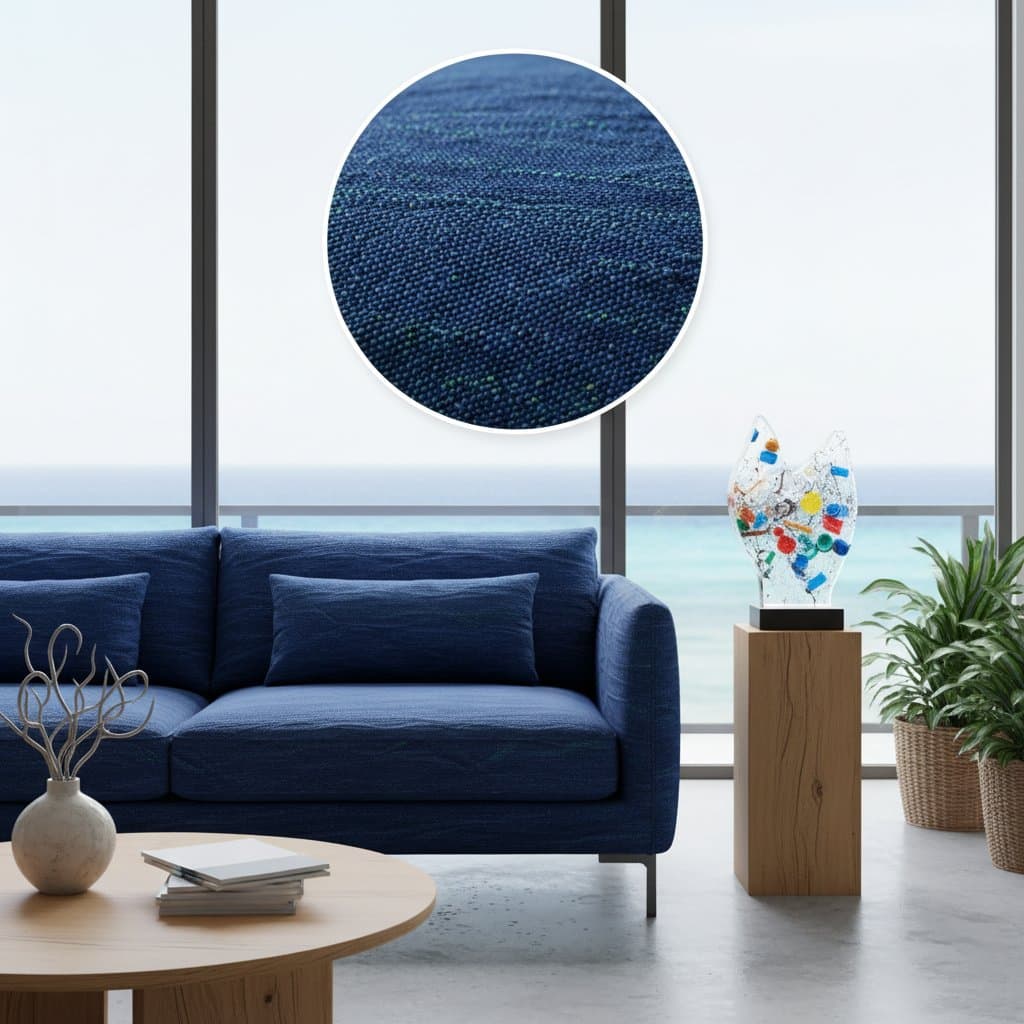
Recycled Ocean Plastic Transforms into Luxury Upholstery
Innovation reshapes interior design as ocean waste becomes premium upholstery. This process reuses discarded plastics to create fabrics that blend creativity with environmental stewardship. The result appears in upscale residences and boutique hotels, where sustainability enhances comfort and style.
Why Ocean Plastic Matters
Oceans inspire designers through their vast beauty, yet they suffer from persistent plastic pollution. Repurposing this waste shifts focus from damage to opportunity. Each meter of fabric from reclaimed ocean plastic diverts debris from marine habitats, preventing harm to wildlife and microplastic formation. This method promotes a circular economy, where materials once harmful now foster sustainable lifestyles.
The Birth of Ocean Plastic Fabric
Production starts with targeted collection of plastic from beaches and seas by dedicated groups. Workers clean and sort the debris, then shred it into pellets. These pellets undergo melting and extrusion to form polyester fibers, which machines spin into yarns for weaving or knitting. The outcome delivers a resilient, supple textile comparable to yacht-grade synthetics in feel and strength.
This fabric retains an inherent narrative. Designers highlight how each thread echoes the ocean's resilience, making furniture a subtle emblem of transformation.
Luxury Meets Responsibility
Modern luxury emphasizes ethics alongside elegance. Ocean plastic upholstery embodies this by providing superior tactile qualities rooted in eco-principles. Homeowners select it to align personal spaces with broader values of conservation.
Interior designer Clara Jensen observes that clients seek materials with provenance. "When people learn their sofa fabric once adrift in the sea, they form a bond," she states. "It transcends decoration to spark discussions on our shared future."
At a Glance
- Users: Environmentally aware residents, independent hotels, and green furniture makers
- Source: Recovered ocean plastic converted to polyester threads
- Applications: Sofas, chairs, bed headboards, exterior lounges
- Properties: Plush woven finish with mild luster akin to elite performance textiles
- Pricing: Aligns with moderate designer lines, higher for bespoke patterns
Before: Challenges of Traditional Upholstery
Standard fabrics draw from new polyester, cotton, or leather, each carrying ecological costs. Polyester production consumes petroleum, cotton demands vast water and chemicals, and leather processing releases toxins. Ethical buyers faced scarce choices, as many green options lacked refinement or comfort.
A homeowner shared the dilemma: "I sought an elegant sofa without adding to pollution. Choices always involved trade-offs." Balancing aesthetics, longevity, and planetary impact proved elusive.
After: Waste to Valuable Resource
Ocean plastic fabrics resolve these issues with luxurious appeal and ethical origins. Refinements in fiber creation yield even yarns that emulate natural softness. Certain lines incorporate organic cotton or linen blends for added warmth.
Functionality matches form. The material repels stains, retains color against sunlight, and handles moisture, suiting high-traffic areas. Its endurance minimizes replacements, conserving resources across the sector.
Design Details
- Patterns: Subdued twills, fine herringbones, open basket weaves
- Colors: Marine tones such as indigo, aqua, beige, plus versatile grays and whites
- Brands: Seaqual, Econyl, Camira Oceanic series
- Treatments: Water-repellent layers without toxic fluorocarbons
- Affordable Options: Hybrid weaves with some ocean plastic for reduced expense
- Strength: Certified for intensive use in homes or businesses
These attributes position the fabric as essential. It supports design objectives while upholding green standards, offering enduring appeal over fleeting trends.
Crafting Spaces with Ocean Plastic Upholstery
Incorporate this fabric thoughtfully to harmonize its background with room character. For seaside dwellings, a navy weave suggests waves subtly. In city settings, neutral tones provide a sophisticated foundation alongside timber or metallic elements.
Combine with organic textiles like wool for contrast and depth. Pair with salvaged wood frames to amplify the eco-theme. Such integrations yield balanced, progressive interiors.
Light influences presentation. Daytime rays accentuate the fabric's subtle glow and patterns. Evening illumination reveals a soft radiance that promotes serenity.
Beyond the Living Room
Applications extend to walls, benches, and beds. In venues like eateries, its toughness aids maintenance. Water resistance fits patios or pool areas.
A boutique hotel example features teal ocean fabric on lounge pieces, accented by woven fibers and upcycled glass. Patrons praise the seating and its meaningful design, showing how green selections enrich experiences.
Budget and Accessibility
Accessibility grows as production expands, matching mid-tier upholstery costs. Blends or focused updates suit limited funds. Refresh one chair or add pillows for impact without full redesigns.
Suppliers offer yardage to experts and hobbyists alike. The fabric's workability encourages personal projects, introducing its qualities through modest items like cushions.
Sustainability Beyond the Surface
Selecting ocean plastic upholstery advances systemic progress. Purchases fund debris recovery and recycling advancements. This choice embodies ethics in tangible form, uniting luxury with planetary care.
Embracing Renewal in Daily Design
Ocean plastic upholstery alters perspectives on possessions. Sitting on such a piece recalls themes of rebirth. Its story infuses routines with purpose, promoting deliberate choices in a material world.