
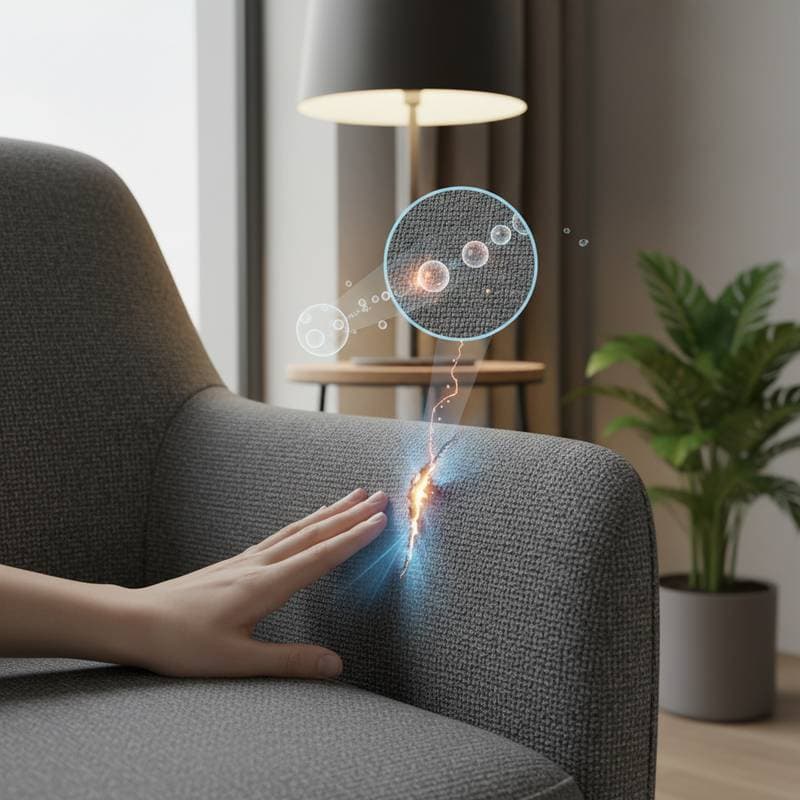
Self-Healing Fabrics Automatically Repair Minor Upholstery Tears
Homes endure countless small accidents daily. A pet's claw might snag the sofa, a chair could scrape during relocation, or an ottoman fabric might fray over time. These minor damages often age a space prematurely. Self-healing fabrics offer a solution, as these advanced textiles mend small tears on their own, preserving the beauty and functionality of furniture with minimal effort.
Originally developed for scientific applications, self-healing materials now transform upholstery into resilient, intelligent surfaces. They integrate cutting-edge science with everyday comfort, ensuring interiors remain pristine despite active lifestyles.
The Importance of Self-Healing Upholstery
Upholstery faces relentless daily stress, including stretching, compression, spills, and abrasion. Conventional fabrics require ongoing repairs or full replacements, which prove expensive and environmentally taxing. Self-healing textiles address this by autonomously fixing minor cuts and tears via embedded mechanisms in the fibers.
Upon damage, the fabric responds to environmental triggers like heat or pressure. Certain types feature a polymer coating that fuses under mild warmth, while others deploy resin from tiny capsules to seal gaps when compressed. This process yields a seamless repair, enhancing overall durability without visible intervention.
Mechanisms Behind the Technology
Various approaches enable self-healing, each suited to specific needs. Key methods encompass:
- Heat-activated polymers, which soften under friction or body heat to knit fibers back together.
- Microcapsule-embedded fibers, releasing adhesives upon rupture to fill and bond damaged areas.
- Shape-memory polymers, which return to their predefined form after deformation or minor harm.
Picture running your hand over a fresh scratch on an armchair; the mark gradually vanishes. This seamless process delivers reliable performance rooted in sophisticated chemistry, yet it feels intuitive in daily use.
Implementing Self-Healing in Home Furnishings
Homeowners gain the most from decreased upkeep demands. A sofa might self-repair accidental snags in mere hours or days, based on the fabric variant, avoiding the need for cover replacements. This innovation integrates into polyester blends, nylon constructions, and treated cottons for both home and office settings.
Interior professionals apply these fabrics to high-use items like restaurant benches, office stools, and family room seating. They shine in pet-friendly or child-filled environments, where everyday wear accumulates quickly.
Merging Aesthetics with Durability
Advanced materials sometimes evoke concerns about cold, industrial looks. Leading self-healing fabrics counter this with inviting textures and rich hues, including brushed twill, looped boucle, or linen-inspired polyesters in shades from subtle grays to vibrant emeralds.
Producers ensure the technology supports rather than dictates design. It empowers selections of bold patterns or light tones, free from constant safeguards like protective throws. A white sectional can thrive in a lively household without fading appeal.
Cost Considerations and Availability
Emerging technologies often carry a premium, with self-healing options priced 15 to 30 percent above standard fabrics. This initial outlay typically recoups through avoided repairs and extended use. Budget alternatives include coated versions that simulate healing via resealable layers, activated by heat tools or sprays for cost-effective renewal.
As manufacturing expands and rivals enter the market, costs decline steadily. The aim extends beyond elite applications to widespread adoption, making enduring furniture accessible for all budgets.
Environmental Advantages
Extended service life stands as a cornerstone of eco-friendly practices. Self-healing fabrics curb textile discards, lower production demands, and reduce carbon outputs. They embody the ethos of acquiring fewer, superior items that endure across years.
Innovators often incorporate recycled polyester or bio-derived resins, amplifying sustainability. This synergy advances interiors where robustness aligns with ecological stewardship, fostering responsible consumption.
Care Routines for Optimal Performance
Self-healing properties lessen repair needs, yet proper maintenance sustains them. Follow these practices:
- Select gentle cleaners. Use diluted soap and water to safeguard polymer integrity.
- Apply moderate warmth. Employ a hairdryer on low for activating repairs on light damages.
- Shift cushions periodically. Promote uniform stress distribution for balanced fabric response.
- Minimize sun exposure. Shield from prolonged UV rays to protect reactive components.
These habits align with standard care protocols, bolstered by the assurance of inherent recovery.
Sourcing Self-Healing Options
Textile specialists and research firms now provide dedicated self-healing upholstery collections. Search product labels for phrases like regenerative coatings or capsule-infused blends. Prominent offerings include:
- Toray Ultrasuede Renew, featuring inherent fiber repair capabilities.
- BASF Infinergy coatings, restoring flexibility through thermal activation.
- Hyosung Creora Smart Fabric, adaptable for upholstery and beyond.
Stock varies by region, but designers access prototypes via trade networks or suppliers. Hobbyists find treated bolts at select fabric outlets for custom upholstery projects.
Integrating Self-Healing into Your Space
Design progress thrives when it enhances routine without disruption. Self-healing fabrics serve as such allies, sustaining the warmth and order of lived-in areas. They ease concerns over inevitable wear, support eco-conscious decisions, and prolong the joy of cherished furnishings.
In apartments or expansive homes, these textiles adapt seamlessly to real-world demands. The next minor imperfection becomes an opportunity for effortless restoration, keeping environments inviting and robust. Embrace materials that nurture longevity, allowing your interiors to reflect enduring care.