
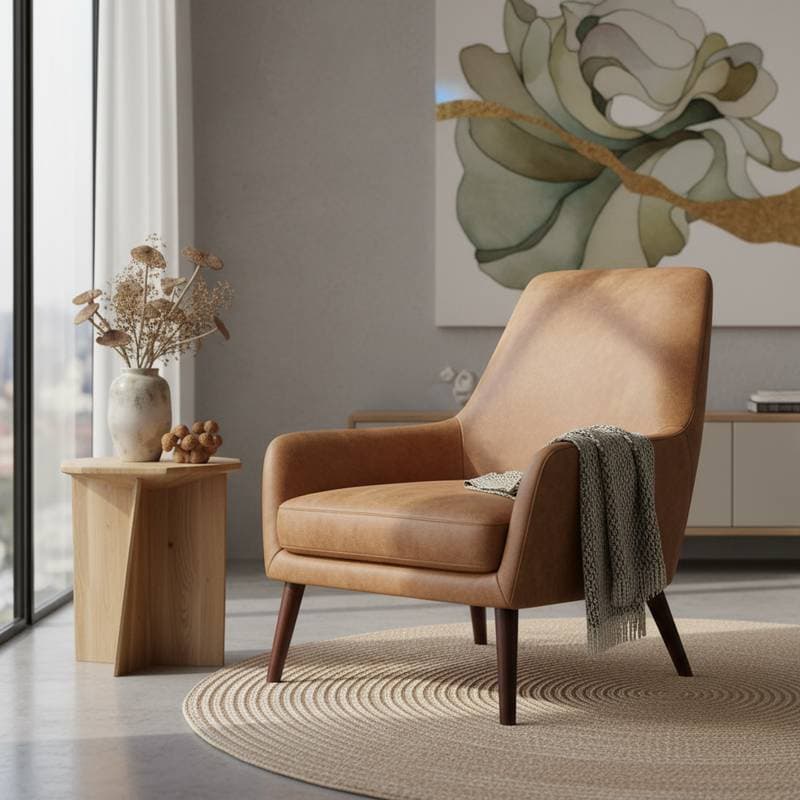
Mushroom Leather Enters Luxury Upholstery
Mushroom leather appears on premium sofas and chairs that previously featured only animal hides. The material delivers a refined appearance and comfortable touch while upholding vegan principles.
The key question remains whether this innovative option withstands everyday demands. This guide covers its composition, durability, and suitability for home settings. Note that availability remains constrained, which influences pricing.
Essential Background on Mushroom Leather
Mushroom leather, known also as mycelium leather, derives from the root-like network of fungi. Producers cultivate it rapidly on agricultural byproducts, creating dense sheets that undergo tanning and finishing processes similar to those for animal leather. The outcome yields a robust, pliable material that replicates the grain and feel of genuine hide. It proves non-toxic, fully vegan, and gentler on the environment than synthetic or animal-based alternatives. Protect it from moisture and prolonged sun exposure to maintain integrity.
Required Supplies for Care
To assess or maintain mushroom leather upholstery, gather these simple items:
- Soft microfiber cloth
- Mild soap, such as castile or glycerin-based formula
- Distilled water
- Small bowl for solution preparation
- Clean towel for drying
- Conditioner formulated for plant-based or synthetic leathers
For disinfection, prepare a solution of white vinegar diluted 1:10 with water. Always test it on an inconspicuous spot first.
Detailed Maintenance Guide
1. Identify the Finish Type
Examine if the leather features a coating or remains uncoated. Coated varieties offer superior spill resistance. Uncoated options reveal the natural fiber pattern and require heightened attention to prevent damage.
2. Perform Weekly Dusting
Use a dry microfiber cloth to wipe the surface each week. This action clears surface dust that might otherwise cause scratches. Steer clear of paper towels, as they may prove too rough.
3. Handle Spills Immediately
Blot excess liquid without rubbing to avoid spreading. Combine one teaspoon of mild soap with one cup of distilled water. Soak a cloth in the mixture, wring thoroughly, and apply with gentle dabs. Follow with a rinse using a separate damp cloth, then pat dry.
4. Condition on a Seasonal Basis
Apply a light coat of plant-based conditioner every three to four months to preserve suppleness. Adhere to the manufacturer's guidelines and polish with a soft towel afterward. Avoid petroleum-based products, which may block natural pores and diminish shine.
5. Avoid Heat Sources
Position furniture away from radiators or vents to prevent fiber drying and potential cracking. Heat accelerates wear on the organic structure.
6. Rotate Cushions Regularly
Turn or flip seat cushions every few weeks to even out wear patterns. This practice ensures uniform aging across the material.
7. Treat Stains with Precision
For oil-based spots, apply cornstarch and allow it to sit for fifteen minutes before brushing away. Repeat the process as necessary. Refrain from alcohol or strong solvents, which can degrade the fibers.
8. Promote Air Circulation
Ventilate the room with open windows or a fan periodically. The material allows natural breathability, yet airflow enhances longevity.
9. Monitor Seams Routinely
Inspect stitches and edges for signs of wear or separation. Address issues promptly, as secure seams support overall stability.
Key Practices to Follow and Avoid
Recommended Actions
- Test all cleaning agents on a hidden section beforehand.
- Maintain light conditioning to ward off dryness.
- Place pads under furniture legs to prevent scratches during relocation.
- Vacuum seams with a soft brush attachment.
Actions to Avoid
- Never apply bleach, ammonia, or alcohol.
- Do not saturate the surface with water.
- Refrain from dragging objects over the upholstery.
- Limit exposure to direct sunlight.
Dr. Lena Hart, materials scientist at BioFab Design Lab, notes, “Mushroom leather fibers are naturally absorbent, so over-saturation or harsh cleaners can weaken the structure.” This insight underscores the value of cautious, low-moisture care.
Situations Requiring Professional Assistance
Engage a specialist for extensive stains, embedded grease, or seam damage. Seek professional service also for pieces with integrated heating or electronics, where moisture risks electrical issues. For items under warranty, verify approved methods prior to any home treatment.
Investment and Effort Overview
Mushroom leather upholstery commands a premium, adding hundreds to thousands of dollars over synthetic or basic leather options. Costs vary by brand, finish quality, and production method, whether artisanal or mass-produced. Maintenance expenses align with conventional leather care, with pro cleanings starting affordably for targeted areas. Weekly routines demand under ten minutes, while seasonal conditioning takes about thirty minutes.
Ongoing Upkeep Routine
Establish this simple schedule to sustain appearance and texture:
- Wipe with a dry cloth weekly.
- Condition every three to four months.
- Check seams twice yearly.
- Rotate cushions monthly.
- Renew protective finishes annually if specified by the producer.
Address spills or dullness with the outlined cleaning steps as needed.
The Shift in Luxury Furniture Design
High-end furniture traditionally relies on animal hides for their tactile appeal and status. Mushroom leather disrupts this norm by providing a comparable sensory experience without animal involvement or intensive chemical processing. It can emulate smooth calfskin or adopt a soft suede finish. The sheet-based growth enables tailored dimensions and cuts waste significantly.
Interior designer Carla Ruiz of Studio Verde observes, “Clients want materials that feel elevated yet responsible. Mycelium leather bridges that gap by looking refined and reducing impact.” She reports frequent requests for it in accent chairs and headboards, alongside accessories.
Long-Term Durability Insights
Initial evaluations indicate strong performance in typical home environments. The material develops a subtle patina with use, maintaining form through consistent conditioning. Certain variants incorporate bio-based coatings for enhanced water repellency akin to classic treatments. Proper care yields graceful aging without splits or flaking.
However, it suits moderate-use indoor spaces best, not high-traffic commercial or exterior applications. Its behavior resembles that of fine aniline leather, thriving under attentive handling.
Sustainability and Ethical Advantages
Conventional leather production draws from animal farming and resource-heavy tanning. Synthetics depend on non-degradable plastics. Mushroom leather strikes a balance, utilizing renewable waste materials, minimal water, and compostable potential. Producers often recycle scraps into nutrient cycles.
This efficient process appeals to environmental advocates by streamlining supply chains and lowering emissions. For buyers, it means aligning aesthetics with ethical priorities without major compromises.
Informed Purchasing Decisions
When selecting mushroom leather pieces, pose these inquiries:
- Does it feature a coating or uncoated design?
- What moisture-resistant finish applies?
- Are mycelium-specific care guidelines available?
- How is the backing secured?
- What warranty protects against wear?
Opt for natural shades to highlight the organic texture. Darker dyes may conceal marks but sometimes include synthetic elements. Review tags before any cleaning attempts.
Integrating Mushroom Leather into Your Space
This material complements contemporary, understated decor alongside wood, wool, or linen elements. Its subtle matte quality diffuses light and lends serene depth. In sunlit areas, it tempers metallic or glassy features with warmth. Users often praise its velvety, inviting hand, evoking suede over plastic.
For those prioritizing ease, authenticity, and reduced ecological strain, mushroom leather presents a viable evolution. With diligent maintenance and practical outlook, it endures gracefully, elevating interiors while honoring environmental stewardship.